Unit 2 Learning Aim B
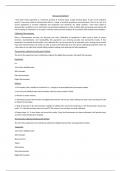
I have been newly appointed as a technical assistant at chemcal equip, a large chemical plant. As part of my induction
period, I have been asked to demonstrate skills in a range of practical procedures and techniques. Part of my role is to
ensure equipment is correctly calibrated and equipment and chemicals are safety checked. I have been asked to
demonstrate my ability to use a calorimeter and associated equipment in order to obtain data and analyse and evaluate the
rate of cooling of substances. In my report I will also need to present evidence of my practical skills analysis and evaluation.
Calibrating Thermometers
Since a Thermometers accuracy can decrease over time, Calibration of equipment is often used in order to ensure
precision, standardisation, and repeatability, this guarantees you receiving accurate and trustworthy results. If Your
equipment, for example thermometer is not calibrated this can increase the risk of systematic error, causing you to receive
Inaccurate measurements and results. In order to reduce the Systematic error from poorly calibrating equipment, there are
a few steps we can take these include taking multiple readings and replacing the faulty equipment.
Thermometer calibration freezing point Method
The Aim of the experiment was to effectively calibrate the Digital thermometer and Liquid Thermometer.
Equipment:
Ice
150 ml Pure distilled water
300 ml beaker
Glass thermometer
Digital thermometer
Method
1. Fill a beaker with a handful of crushed ice i.e., enough to accommodate the thermometer probes.
2. Pour the pure distilled water into the beaker until the volume reaches 150ml.
3. Mix the ice water mixture.
4. Submerge the glass thermometer and Digital thermometer into the icy water making sure that it isn’t touching the sides
or bottom of the beaker.
5. Wait 30 seconds for the thermometer readings to stabilise then record the temperature, The thermometer should now
read 0 ºC. If the thermometer does not read 0ºC this means it has not been correctly calibrated.
6. Repeat steps 1-5, 2 more times and record the results. Once the thermometer has been calibrated it will provide more
accurate results/temperature readings.
Thermometer calibration Boiling point Method
The Aim of the experiment is to effectively calibrate the Digital thermometer and Liquid thermometer.
Equipment
150 ml Pure distilled water
300 ml beaker
Bunsen burner
Tripod
Wired gauze
Glass thermometer
Digital thermometer
I have been newly appointed as a technical assistant at chemcal equip, a large chemical plant. As part of my induction
period, I have been asked to demonstrate skills in a range of practical procedures and techniques. Part of my role is to
ensure equipment is correctly calibrated and equipment and chemicals are safety checked. I have been asked to
demonstrate my ability to use a calorimeter and associated equipment in order to obtain data and analyse and evaluate the
rate of cooling of substances. In my report I will also need to present evidence of my practical skills analysis and evaluation.
Calibrating Thermometers
Since a Thermometers accuracy can decrease over time, Calibration of equipment is often used in order to ensure
precision, standardisation, and repeatability, this guarantees you receiving accurate and trustworthy results. If Your
equipment, for example thermometer is not calibrated this can increase the risk of systematic error, causing you to receive
Inaccurate measurements and results. In order to reduce the Systematic error from poorly calibrating equipment, there are
a few steps we can take these include taking multiple readings and replacing the faulty equipment.
Thermometer calibration freezing point Method
The Aim of the experiment was to effectively calibrate the Digital thermometer and Liquid Thermometer.
Equipment:
Ice
150 ml Pure distilled water
300 ml beaker
Glass thermometer
Digital thermometer
Method
1. Fill a beaker with a handful of crushed ice i.e., enough to accommodate the thermometer probes.
2. Pour the pure distilled water into the beaker until the volume reaches 150ml.
3. Mix the ice water mixture.
4. Submerge the glass thermometer and Digital thermometer into the icy water making sure that it isn’t touching the sides
or bottom of the beaker.
5. Wait 30 seconds for the thermometer readings to stabilise then record the temperature, The thermometer should now
read 0 ºC. If the thermometer does not read 0ºC this means it has not been correctly calibrated.
6. Repeat steps 1-5, 2 more times and record the results. Once the thermometer has been calibrated it will provide more
accurate results/temperature readings.
Thermometer calibration Boiling point Method
The Aim of the experiment is to effectively calibrate the Digital thermometer and Liquid thermometer.
Equipment
150 ml Pure distilled water
300 ml beaker
Bunsen burner
Tripod
Wired gauze
Glass thermometer
Digital thermometer