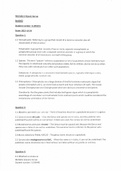
Gilded Age (1877-1900) New Deal (1922-39) Black Power (1960s)
A - White aristocracy enjoyed power throughout - Slum clearance, public housing projects - 1969: 27 Black Panthers shot by police
F USA → engendered the development of benefitted AA. and 100s arrested.
white supremacist ideas (KKK est 1866). - Min. wage regulations sometimes made it harder - In reality they did not achieve
R
- Jim Crow laws continued to disenfranchise to employ blacks as they were often unskilled much for AA.
I blacks through literacy tests → this was not and ‘not worth’ the minimum. - Did not achieve the mass support that
C fully eliminated until 1960s. - ⅓ of AA on relief v. 1/10 of whites. King had done due to it’s radicalism.
A - Blacks had buying power over white racist - Social Security Act 1935: did not apply to AA - Traditional CRs activists did not directly
N business owners; they set up ‘parallel’ companies sharecroppers in S. address issues like White Supremacy
A and formed ‘all-black’ unions. - New Deal did not include a CRs Act. and police brutality - black power did.
- Founded their own churches and - Nothing done for AA POLITICAL rights eg. - King had less support in North = Black
M enfranchisement and segregation. Power movement was more popular.
universities eg. Tuskegee 1881 → developed
E the debate of whether there was a full and - Roosevelt limited by his reliance on southern - Encouraged pride in Black identity and
R equal place for blacks in society. democrat support = he could not pass direct black consciousness.
I - No. of lynchings increased dramatically. measures to alleviate plight of AA. - More violent tactics provided a
C - Advancement in education laid foundations for - New Deal gave federal support to growth of AA real incentive to govt to
much CRs activism later on. culture eg. Duke Ellington (Harlem introduce change.
A
- ¼ of ‘cowboys’ on western ranches were AA = AA Renaissance). - Radicalisation was vital to energise AA
N - 200,000 AA given employment in CCC but still and achieve aims.
economic equality.
S - West often more indifferent to colour than faced discrimination.
the S. - 200 AA evicted from farms following AAA.
- Anti Lynching Bill failed to pass 3x
N - Battle of Little Bighorn (victory) = change in - Badly hit by depression as they were already in - Militant groups eg. AIM took inspiration
A opinion of Americans, they only responded badly poverty. from BP.
due to mistreatment. - Indian Reorganisation Act ‘34 = NA had greater - NA inspired to disregard tribal
T
- 2 boarding schools set up; provided NA with role in admin for reservations. differences by unity and pride of BP
I vocational training. - Resources on reservations were better movement.
V - Gave them opp to find better jobs (Indian managed. - BP inspired youth to abandon slow but
E agency offices, interpreters etc. ) - Protected their right to practise their own peaceful methods of protest eg. legal
A - Reservations = they could est. farming religion incl. Drug use (peyote). cases.
M communities. - NA children allowed to attend local schools - BP mas a mass movement that had
- Opp for better healthcare (high mortality rather than having western culture forced on power to demand change from govt.
E rates = it definitely needed addressing). them. - NCAI was limited in that it only
R - Allowed continuation of tribal life, to a - IRA stopped allotment of NA lands and revoked benefited those who ad been
I degree, preserved culture and sense of process of Dawes Act. assimilated and were doing
C belonging. - Land used to expand reservations. well.
A - Navajo tribe benefited greatly; acreage - Training in farming was provided as well as - ‘Red power’ → BP.
increased 3 fold and livestock increased better medical care. - After WW2, clear that NA were already
N
exponentially = rise in pop. - reformers/ social scientists/ John Collier created united in resistance to govt policies ie.
S - Dawes Act ‘87; gave them land and citizenship. a greater of respect and admiration for NA they did not need BP.
- In reality, reservations robbed NA of their freedom culture. - NA pressure groups were successfully
and CRs. - Allotment policy abandoned (had caused much achieving CRs. eg. NARF legal cases.
- Harsh conditions and land was often poverty) = further loss of land prevented. - Govt had already est. bodies
barren = difficult to farm. - Tribes on reservations were led by tribal councils such as ICC (1946-48).
- Govt grants were insufficient and were often cut to = self-determination. - Militancy already featured in some NA
finance other things. - Govt didn’t interfere. groups eg. National Indian Youth
- Wounded Knee Massacre 1890; marked last - NA poverty had been recognised by Meriam Council.
resistance of NA to govt control of Great Plains. Report ‘28 but not addressed. - Their development in protest style was
A - White aristocracy enjoyed power throughout - Slum clearance, public housing projects - 1969: 27 Black Panthers shot by police
F USA → engendered the development of benefitted AA. and 100s arrested.
white supremacist ideas (KKK est 1866). - Min. wage regulations sometimes made it harder - In reality they did not achieve
R
- Jim Crow laws continued to disenfranchise to employ blacks as they were often unskilled much for AA.
I blacks through literacy tests → this was not and ‘not worth’ the minimum. - Did not achieve the mass support that
C fully eliminated until 1960s. - ⅓ of AA on relief v. 1/10 of whites. King had done due to it’s radicalism.
A - Blacks had buying power over white racist - Social Security Act 1935: did not apply to AA - Traditional CRs activists did not directly
N business owners; they set up ‘parallel’ companies sharecroppers in S. address issues like White Supremacy
A and formed ‘all-black’ unions. - New Deal did not include a CRs Act. and police brutality - black power did.
- Founded their own churches and - Nothing done for AA POLITICAL rights eg. - King had less support in North = Black
M enfranchisement and segregation. Power movement was more popular.
universities eg. Tuskegee 1881 → developed
E the debate of whether there was a full and - Roosevelt limited by his reliance on southern - Encouraged pride in Black identity and
R equal place for blacks in society. democrat support = he could not pass direct black consciousness.
I - No. of lynchings increased dramatically. measures to alleviate plight of AA. - More violent tactics provided a
C - Advancement in education laid foundations for - New Deal gave federal support to growth of AA real incentive to govt to
much CRs activism later on. culture eg. Duke Ellington (Harlem introduce change.
A
- ¼ of ‘cowboys’ on western ranches were AA = AA Renaissance). - Radicalisation was vital to energise AA
N - 200,000 AA given employment in CCC but still and achieve aims.
economic equality.
S - West often more indifferent to colour than faced discrimination.
the S. - 200 AA evicted from farms following AAA.
- Anti Lynching Bill failed to pass 3x
N - Battle of Little Bighorn (victory) = change in - Badly hit by depression as they were already in - Militant groups eg. AIM took inspiration
A opinion of Americans, they only responded badly poverty. from BP.
due to mistreatment. - Indian Reorganisation Act ‘34 = NA had greater - NA inspired to disregard tribal
T
- 2 boarding schools set up; provided NA with role in admin for reservations. differences by unity and pride of BP
I vocational training. - Resources on reservations were better movement.
V - Gave them opp to find better jobs (Indian managed. - BP inspired youth to abandon slow but
E agency offices, interpreters etc. ) - Protected their right to practise their own peaceful methods of protest eg. legal
A - Reservations = they could est. farming religion incl. Drug use (peyote). cases.
M communities. - NA children allowed to attend local schools - BP mas a mass movement that had
- Opp for better healthcare (high mortality rather than having western culture forced on power to demand change from govt.
E rates = it definitely needed addressing). them. - NCAI was limited in that it only
R - Allowed continuation of tribal life, to a - IRA stopped allotment of NA lands and revoked benefited those who ad been
I degree, preserved culture and sense of process of Dawes Act. assimilated and were doing
C belonging. - Land used to expand reservations. well.
A - Navajo tribe benefited greatly; acreage - Training in farming was provided as well as - ‘Red power’ → BP.
increased 3 fold and livestock increased better medical care. - After WW2, clear that NA were already
N
exponentially = rise in pop. - reformers/ social scientists/ John Collier created united in resistance to govt policies ie.
S - Dawes Act ‘87; gave them land and citizenship. a greater of respect and admiration for NA they did not need BP.
- In reality, reservations robbed NA of their freedom culture. - NA pressure groups were successfully
and CRs. - Allotment policy abandoned (had caused much achieving CRs. eg. NARF legal cases.
- Harsh conditions and land was often poverty) = further loss of land prevented. - Govt had already est. bodies
barren = difficult to farm. - Tribes on reservations were led by tribal councils such as ICC (1946-48).
- Govt grants were insufficient and were often cut to = self-determination. - Militancy already featured in some NA
finance other things. - Govt didn’t interfere. groups eg. National Indian Youth
- Wounded Knee Massacre 1890; marked last - NA poverty had been recognised by Meriam Council.
resistance of NA to govt control of Great Plains. Report ‘28 but not addressed. - Their development in protest style was