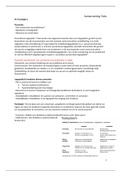
STRUCTURE:
Overview/ summary/ link to dystopian genre:
1. Mention the question.
2. How the question links to the dystopian genre as a whole.
3. Link to other dystopias if possible (ideally Orwell’s 1984).
4. Compare THT and F451’s relation to the question (covert and overt).
THT alternate now paragraph:
1. Atwood creates an “alternate” now dystopian landscape, where a fundamentalist Evangelical
Christian sect has violently overthrown the government and created the patriarchal and
puritanical society of Gilead.
2. Link Gilead to question.
3. Why Gilead does this (eg: restricting freedoms)- newly established, ideologically extreme.
4. Small examples from storyline- Some textual evidence to support the claim.
F451 future America paragraph and key episode(s):
1. Unlike Atwood, Bradbury creates a “future” America, where books are ritualistically burned by
iconic firemen and where all of culture and knowledge has been reduced to a sort of “paste
pudding norm”.
2. In F451’s regime… - RTQ.
3. Key episode- explicit, detailed links to F451- How and why!
THT key episode:
1. Comparison with how Atwood and Bradbury RTQ (eg: unlike Bradbury RTQ, Atwood uses…).
2. Why is there a difference between the 2 (THT more ideologically extreme, newly established
etc)
3. What has the state done that RTQ?- How and why!f
THT context:
1. Atwood draws upon contextual influences from the 1980s in the creation of a dystopian
landscape in which she claims “there is nothing in the book that has not already happened”.
Atwood transposes wider world events such as the coup d'etat of the pro western shah of iran
in 1979 the rising moral and political influence of the christian right movement during
Reagan's 1980 right wing republican presidency and events such as the banning of
contraceptives and enforcement of mandatory fertility testing in Ceausescu's Romania. This
extreme control over people’s personal sexual freedoms within Caesecu’s Romania is eerily
similar to Atwood's The Handmaid's Tale where all aspects of reproduction are controlled by
the state.
2. Link controlling reproduction to the question.
F451 context:
1. Just like Atwood draws upon contextual influences from the 1980s, Bradbury does so for
1950s America, drawing upon the ideological model of traditional family values, the rising
influence of consumerism and media advertising and McCarthy’s widespread communist
witch hunt which built upon already existing institutions such as the House of UnAmerican
Activities Committee, and a widespread cultural dumbing down.
2. Context that RTQs, explain how it relates.
3. Bradbury’s message (passive acceptance, dumbing down of society etc).
Critics and context now:
1. Although Bradbury’s Fahrenheit 451 has not infiltrated the contemporary consciousness of
society to the extent of Orwell’s 1984 and Atwood’s The Handmaid’s Tale, Bradbury’s
message remains relevant nonetheless… (RTQ Context now).
2. Atwood’s vision also remains relevant- CRITICS.
3. Link THT critic quote to Atwood’s message and how it relates to our society now.
Overview/ summary/ link to dystopian genre:
1. Mention the question.
2. How the question links to the dystopian genre as a whole.
3. Link to other dystopias if possible (ideally Orwell’s 1984).
4. Compare THT and F451’s relation to the question (covert and overt).
THT alternate now paragraph:
1. Atwood creates an “alternate” now dystopian landscape, where a fundamentalist Evangelical
Christian sect has violently overthrown the government and created the patriarchal and
puritanical society of Gilead.
2. Link Gilead to question.
3. Why Gilead does this (eg: restricting freedoms)- newly established, ideologically extreme.
4. Small examples from storyline- Some textual evidence to support the claim.
F451 future America paragraph and key episode(s):
1. Unlike Atwood, Bradbury creates a “future” America, where books are ritualistically burned by
iconic firemen and where all of culture and knowledge has been reduced to a sort of “paste
pudding norm”.
2. In F451’s regime… - RTQ.
3. Key episode- explicit, detailed links to F451- How and why!
THT key episode:
1. Comparison with how Atwood and Bradbury RTQ (eg: unlike Bradbury RTQ, Atwood uses…).
2. Why is there a difference between the 2 (THT more ideologically extreme, newly established
etc)
3. What has the state done that RTQ?- How and why!f
THT context:
1. Atwood draws upon contextual influences from the 1980s in the creation of a dystopian
landscape in which she claims “there is nothing in the book that has not already happened”.
Atwood transposes wider world events such as the coup d'etat of the pro western shah of iran
in 1979 the rising moral and political influence of the christian right movement during
Reagan's 1980 right wing republican presidency and events such as the banning of
contraceptives and enforcement of mandatory fertility testing in Ceausescu's Romania. This
extreme control over people’s personal sexual freedoms within Caesecu’s Romania is eerily
similar to Atwood's The Handmaid's Tale where all aspects of reproduction are controlled by
the state.
2. Link controlling reproduction to the question.
F451 context:
1. Just like Atwood draws upon contextual influences from the 1980s, Bradbury does so for
1950s America, drawing upon the ideological model of traditional family values, the rising
influence of consumerism and media advertising and McCarthy’s widespread communist
witch hunt which built upon already existing institutions such as the House of UnAmerican
Activities Committee, and a widespread cultural dumbing down.
2. Context that RTQs, explain how it relates.
3. Bradbury’s message (passive acceptance, dumbing down of society etc).
Critics and context now:
1. Although Bradbury’s Fahrenheit 451 has not infiltrated the contemporary consciousness of
society to the extent of Orwell’s 1984 and Atwood’s The Handmaid’s Tale, Bradbury’s
message remains relevant nonetheless… (RTQ Context now).
2. Atwood’s vision also remains relevant- CRITICS.
3. Link THT critic quote to Atwood’s message and how it relates to our society now.