P3: Compare the Biomedical Model with an alternative model of Health
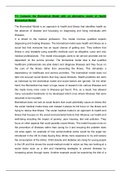
Biomedical Model:
The Biomedical Model is an approach to health and illness that identifies health as
the absence of disease and focussing on diagnosing and fixing individuals with
illnesses.
It is linked to the medical profession. The model involves qualified experts
diagnosing and treating illnesses. The biomedical model sees health and illness as a
social fact that everyone has an equal chance of getting sick. They believe that
illness is only treatable using scientific methods such as allopathic cures and only
medical professionals. The model encourages users to be service provided and be
dependent on the service provider. The biomedical model idea is that qualified
healthcare professionals are able detect and diagnose illnesses and they focus on
the cure of the illness rather than preventing the illness. This stimulates a
dependency on healthcare and service providers. The biomedical model does not
take into account social factors that may cause illnesses. Health problems are seen
as individual by the biomedical model and social factors are ignored. On the other
hand, the Biomedical has been a huge cause of research into various illnesses and
this made many more cures to illnesses get found. This, as a result, has allowed
many successful treatments to be developed which once where illnesses that were
assumed to be incurable.
Biomedical does not look at social factors that could potentially cause an illness like
the social medical model does and instead it places its full focus on the illness and
trying to relieve that illness. The social medical model Is an approach to health and
illness that focuses on the social environmental factors that influence our health and
well-being including the impact of poverty, poor housing, diet and pollution. They
focus on other aspects that could possibly cause illness. The model focuses more on
the prevention of illnesses rather than caring for it and ensuring the problem does
not arise again. An example of how social-medical works would be the sugar tax
introduced in the UK to make buying fizzy drinks more expensive to try and reduce
the consumption of the drinks. Child obesity and diabetes are rising for young people
in the UK and this shows the social-medical model in action as they are looking at a
social factor such as a diet and implanting strategies to prevent illnesses by
increasing prices through taxes. Another example would be examining the diet of a
Biomedical Model:
The Biomedical Model is an approach to health and illness that identifies health as
the absence of disease and focussing on diagnosing and fixing individuals with
illnesses.
It is linked to the medical profession. The model involves qualified experts
diagnosing and treating illnesses. The biomedical model sees health and illness as a
social fact that everyone has an equal chance of getting sick. They believe that
illness is only treatable using scientific methods such as allopathic cures and only
medical professionals. The model encourages users to be service provided and be
dependent on the service provider. The biomedical model idea is that qualified
healthcare professionals are able detect and diagnose illnesses and they focus on
the cure of the illness rather than preventing the illness. This stimulates a
dependency on healthcare and service providers. The biomedical model does not
take into account social factors that may cause illnesses. Health problems are seen
as individual by the biomedical model and social factors are ignored. On the other
hand, the Biomedical has been a huge cause of research into various illnesses and
this made many more cures to illnesses get found. This, as a result, has allowed
many successful treatments to be developed which once where illnesses that were
assumed to be incurable.
Biomedical does not look at social factors that could potentially cause an illness like
the social medical model does and instead it places its full focus on the illness and
trying to relieve that illness. The social medical model Is an approach to health and
illness that focuses on the social environmental factors that influence our health and
well-being including the impact of poverty, poor housing, diet and pollution. They
focus on other aspects that could possibly cause illness. The model focuses more on
the prevention of illnesses rather than caring for it and ensuring the problem does
not arise again. An example of how social-medical works would be the sugar tax
introduced in the UK to make buying fizzy drinks more expensive to try and reduce
the consumption of the drinks. Child obesity and diabetes are rising for young people
in the UK and this shows the social-medical model in action as they are looking at a
social factor such as a diet and implanting strategies to prevent illnesses by
increasing prices through taxes. Another example would be examining the diet of a