UNIT 19: VARIATION AND SELECTION
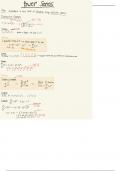
Variation: differences between individuals of the same species
Discontinuous variation: Continuous variation: differences in the
Differences in the features of a features of a group of organisms where
group of organism where each fits there are no definite categories, each
into one if a few clearly defined individual’s features can lie anywhere
categories between 2 extremes
Blood group Height, weight
Result in limited number of Result in a range of phenotypes between
phenotypes with no 2 extremes
intermediate Caused by both genetic and
Caused by genes alone environmental factors
Mutation: genetic change
The way in which new alleles are formed
Ionising radiation and some chemicals increase the rate of mutation
Gene mutation: a change in the base sequence of DNA
Sickle-cell anaemia: mutation in the gene that codes for the production of
haemoglobin
Tiny difference in the DNA base sequence changes the amino acid sequence in
the haemoglobin, preventing the haemoglobin working as it should
Produce fibres inside red blood cells when oxygen concentration is low -> red
blood cells get pulled into a sickle shape and get stuck in blood capillaries ->
sickle cell crisis
The blockage in the blood vessels stop blood flowing to some parts of the body
and cause pain which last for a few hours to more than a week
o feel tired and short of breath because haemoglobin does not deliver oxygen
to cells efficiently
o Cells cannot carry out as much respiration to release energy body activities
Damage kidneys, liver, eyes, heart and die early without treatment
2 alleles are codominant: HbAHbA – normal haemoglobin, HbAHbS – normal +
sickle cell haemoglobin (don’t show symptoms), HbSHbS – all sickle cell
haemoglobin
Natural selection has not removed sickle-cell anaemia because of malaria
o Cause by a single-celled parasite that is injected into the blood by an infected
mosquito
o Heterozygous people are more resistant to malaria than those with all normal
haemoglobin
Adaptive features: inherited functional features of an organism that increase its
fitness
Fish have gills that allow them to obtain oxygen underwater
Variation: differences between individuals of the same species
Discontinuous variation: Continuous variation: differences in the
Differences in the features of a features of a group of organisms where
group of organism where each fits there are no definite categories, each
into one if a few clearly defined individual’s features can lie anywhere
categories between 2 extremes
Blood group Height, weight
Result in limited number of Result in a range of phenotypes between
phenotypes with no 2 extremes
intermediate Caused by both genetic and
Caused by genes alone environmental factors
Mutation: genetic change
The way in which new alleles are formed
Ionising radiation and some chemicals increase the rate of mutation
Gene mutation: a change in the base sequence of DNA
Sickle-cell anaemia: mutation in the gene that codes for the production of
haemoglobin
Tiny difference in the DNA base sequence changes the amino acid sequence in
the haemoglobin, preventing the haemoglobin working as it should
Produce fibres inside red blood cells when oxygen concentration is low -> red
blood cells get pulled into a sickle shape and get stuck in blood capillaries ->
sickle cell crisis
The blockage in the blood vessels stop blood flowing to some parts of the body
and cause pain which last for a few hours to more than a week
o feel tired and short of breath because haemoglobin does not deliver oxygen
to cells efficiently
o Cells cannot carry out as much respiration to release energy body activities
Damage kidneys, liver, eyes, heart and die early without treatment
2 alleles are codominant: HbAHbA – normal haemoglobin, HbAHbS – normal +
sickle cell haemoglobin (don’t show symptoms), HbSHbS – all sickle cell
haemoglobin
Natural selection has not removed sickle-cell anaemia because of malaria
o Cause by a single-celled parasite that is injected into the blood by an infected
mosquito
o Heterozygous people are more resistant to malaria than those with all normal
haemoglobin
Adaptive features: inherited functional features of an organism that increase its
fitness
Fish have gills that allow them to obtain oxygen underwater