Comp 2 Section B Plan
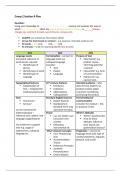
Question:
Using your knowledge of twenty-first century English, analyse and evaluate the ways in
which contextual factors affect the lexical and grammatical choices in ______ (always
changes eg. comment threads, sports forums, reviews etc).
▪ ALWAYS use contextual information (AO3)
▪ Group the texts based on context – e.g. purpose, intended audience etc
▪ 40 marks – AO1 (10), AO2 (10), AO3 (20)
▪ 45 minutes – 5/10 min planning 40/35 mins to write
AO1 AO2 AO3
Language Levels Formalisation – connect to Purpose of text
Consistent reference to language levels e.g. ▪ Informative? e.g.
word classes required colloquial language product review
▪ Identify type of Consider: informing potential
phrase ▪ Tone customer
▪ Identify type of word ▪ Dialect ▪ Interactive? e.g. form
▪ Identify type of ▪ Language of communication
language ▪ Expressive? e.g.
opinion texts
Typographical features 21st Century features Intended audience – who
▪ Capitalisation of ▪ Emoticons does the text target? e.g.
lexis – employed for ▪ Initialisms product reviews target
emphasis/expression ▪ Abbreviations customers considering
▪ Colloquialisms purchasing the product
Tone Standard English features Form/method of
▪ Humorous? ▪ Dialect features communication
▪ Serious? ▪ Standard/non- Consider the medium – link
standard forms may to purpose of text
Can be connected to represent formality
(in)formalisation – Power Writer’s Attitudes
reference tone, dialect, and ▪ e.g. one twitter user ▪ Writer’s position/role
language usage/features has power over ▪ How do these
another attitudes influence
Use evidence to support ▪ Influential, their lexical and
tone e.g. usage of instrumental etc grammatical choices?
euphemisms, colloquial Other relevant concepts: Pragmatics – connect to
language etc ▪ Face-Threatening language levels with type of
Acts context (epistemic, linguistic,
▪ Accommodation physical, and social)
Theory
▪ Politeness Principles
▪ Synthetic
Personalisation
▪ Grice’s Maxims
Question:
Using your knowledge of twenty-first century English, analyse and evaluate the ways in
which contextual factors affect the lexical and grammatical choices in ______ (always
changes eg. comment threads, sports forums, reviews etc).
▪ ALWAYS use contextual information (AO3)
▪ Group the texts based on context – e.g. purpose, intended audience etc
▪ 40 marks – AO1 (10), AO2 (10), AO3 (20)
▪ 45 minutes – 5/10 min planning 40/35 mins to write
AO1 AO2 AO3
Language Levels Formalisation – connect to Purpose of text
Consistent reference to language levels e.g. ▪ Informative? e.g.
word classes required colloquial language product review
▪ Identify type of Consider: informing potential
phrase ▪ Tone customer
▪ Identify type of word ▪ Dialect ▪ Interactive? e.g. form
▪ Identify type of ▪ Language of communication
language ▪ Expressive? e.g.
opinion texts
Typographical features 21st Century features Intended audience – who
▪ Capitalisation of ▪ Emoticons does the text target? e.g.
lexis – employed for ▪ Initialisms product reviews target
emphasis/expression ▪ Abbreviations customers considering
▪ Colloquialisms purchasing the product
Tone Standard English features Form/method of
▪ Humorous? ▪ Dialect features communication
▪ Serious? ▪ Standard/non- Consider the medium – link
standard forms may to purpose of text
Can be connected to represent formality
(in)formalisation – Power Writer’s Attitudes
reference tone, dialect, and ▪ e.g. one twitter user ▪ Writer’s position/role
language usage/features has power over ▪ How do these
another attitudes influence
Use evidence to support ▪ Influential, their lexical and
tone e.g. usage of instrumental etc grammatical choices?
euphemisms, colloquial Other relevant concepts: Pragmatics – connect to
language etc ▪ Face-Threatening language levels with type of
Acts context (epistemic, linguistic,
▪ Accommodation physical, and social)
Theory
▪ Politeness Principles
▪ Synthetic
Personalisation
▪ Grice’s Maxims