RSK2601 – Memo – Oct/Nov 2017 Examination
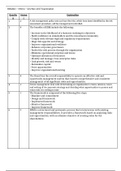
Questio Answe Explanation
n r
1 3 A risk management policy sets out how the risks, which have been identified by the risk
assessment procedure, will be managed and controlled.
2 4 The benefits of ERM include the following:
• Increase in the likelihood of a business realizing its objectives
• Build confidence in stakeholders and the investment community
• Comply with relevant legal and regulatory requirements
• Align risk appetite and strategy
• Improve organizational resilience
• Enhance corporate governance
• Embed the risk process through the organization
• Minimize operational surprises and losses
• Optimize allocation of resources
• Identify and manage cross enterprise risks
• Link growth, risk and return
• Rationalize capital
• Seize opportunities
• Improve organizational learning
3 4 The Board has the overall responsibility to operate an effective risk and
opportunity management system that ensures comprehensive and consistent
management of all significant risks and opportunities.
4 1 Senior management deal with determining an organisation’s vision, mission, vaues
and setting of its corporate strategy and deciding what opportunities to pursue and
what risks it is willing to take
5 1 The framework is composed of the following five steps:
• Mandate and commitment
• Design and framework
• Implement framework
• Monitor framework
• Improve framework
6 3 ERM is a structured and systematic process that is interwoven with existing
management responsibilities. It provides a framework based on analyzing risks
and opportunities, with an ultimate objective of creating value for the
shareholders.
, RSK2601 – Memo – Oct/Nov 2017 Examination
7 2
8 3
9 3 King III became necessary because of the anticipated new Companies Act of
2008 that came into effect on 1 May 2011, and changing trends in international
governance.
10 2 Impacts the following business areas:
Employing assets efficiently
Attracting lower-cost capital
Meeting social obligations:
Overall performance:
11 4 A triple bottom-line principle, which takes into account the environmental,
economic and social activities of a company.
12 3
Questio Answe Explanation
n r
1 3 A risk management policy sets out how the risks, which have been identified by the risk
assessment procedure, will be managed and controlled.
2 4 The benefits of ERM include the following:
• Increase in the likelihood of a business realizing its objectives
• Build confidence in stakeholders and the investment community
• Comply with relevant legal and regulatory requirements
• Align risk appetite and strategy
• Improve organizational resilience
• Enhance corporate governance
• Embed the risk process through the organization
• Minimize operational surprises and losses
• Optimize allocation of resources
• Identify and manage cross enterprise risks
• Link growth, risk and return
• Rationalize capital
• Seize opportunities
• Improve organizational learning
3 4 The Board has the overall responsibility to operate an effective risk and
opportunity management system that ensures comprehensive and consistent
management of all significant risks and opportunities.
4 1 Senior management deal with determining an organisation’s vision, mission, vaues
and setting of its corporate strategy and deciding what opportunities to pursue and
what risks it is willing to take
5 1 The framework is composed of the following five steps:
• Mandate and commitment
• Design and framework
• Implement framework
• Monitor framework
• Improve framework
6 3 ERM is a structured and systematic process that is interwoven with existing
management responsibilities. It provides a framework based on analyzing risks
and opportunities, with an ultimate objective of creating value for the
shareholders.
, RSK2601 – Memo – Oct/Nov 2017 Examination
7 2
8 3
9 3 King III became necessary because of the anticipated new Companies Act of
2008 that came into effect on 1 May 2011, and changing trends in international
governance.
10 2 Impacts the following business areas:
Employing assets efficiently
Attracting lower-cost capital
Meeting social obligations:
Overall performance:
11 4 A triple bottom-line principle, which takes into account the environmental,
economic and social activities of a company.
12 3