FULL NAMES:
STUDENT NUMBER:
UNIQUE NUMBER: 579021
MODULE CODE: TMS3721
MODULE NAME: TEACHING LIFE ORIENTATION IN THE FET PHASE
ASSIGNMENT: 02
YEAR MODULE 2024
1
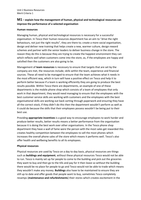
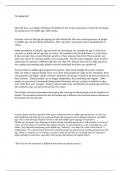
, Question 1
Theories serve as essential frameworks for understanding and addressing the diverse
learning needs of students. A theory in education is a set of organized ideas that explain
how students learn and how teachers can facilitate this process effectively. In the
context of Life Orientation, theories help teachers develop strategies that accommodate
the varied academic needs of learners in the Further Education and Training (FET)
phase.
Diverse learning needs refer to the different academic, social, emotional, and cultural
requirements that students bring to the classroom. These differences can arise from
various factors such as socioeconomic background, language proficiency, learning
disabilities, and personal experiences. Addressing this diversity is crucial for creating an
inclusive educational environment that promotes equity and maximizes the learning
potential of all students.
The behaviorist theory, for instance, emphasizes the role of reinforcement in learning.
Skinner's operant conditioning shows that positive reinforcement can increase the
likelihood of a behavior being repeated (Skinner, 1953). Life Orientation teachers can
use this theory to reinforce positive behaviors and learning habits. Rewarding students
for active participation or timely submission of assignments, teachers can encourage
these behaviors, helping manage classroom behavior effectively.
Constructivist theories, such as those proposed by Piaget and Vygotsky, highlight the
importance of active engagement and social interaction in learning. Piaget’s theory
suggests that learners construct knowledge through their experiences and interactions
with the environment (Piaget, 1973). Vygotsky adds that social interactions play a
crucial role in cognitive development (Vygotsky, 1978). Life Orientation teachers can
apply these theories by creating opportunities for collaborative learning and discussions.
Group projects and peer tutoring allow students to learn from each other and build on
their existing knowledge.
Cognitive theories, which focus on mental processes like memory and problem-solving,
help teachers design instructional strategies that enhance learning. Techniques that
2
STUDENT NUMBER:
UNIQUE NUMBER: 579021
MODULE CODE: TMS3721
MODULE NAME: TEACHING LIFE ORIENTATION IN THE FET PHASE
ASSIGNMENT: 02
YEAR MODULE 2024
1
, Question 1
Theories serve as essential frameworks for understanding and addressing the diverse
learning needs of students. A theory in education is a set of organized ideas that explain
how students learn and how teachers can facilitate this process effectively. In the
context of Life Orientation, theories help teachers develop strategies that accommodate
the varied academic needs of learners in the Further Education and Training (FET)
phase.
Diverse learning needs refer to the different academic, social, emotional, and cultural
requirements that students bring to the classroom. These differences can arise from
various factors such as socioeconomic background, language proficiency, learning
disabilities, and personal experiences. Addressing this diversity is crucial for creating an
inclusive educational environment that promotes equity and maximizes the learning
potential of all students.
The behaviorist theory, for instance, emphasizes the role of reinforcement in learning.
Skinner's operant conditioning shows that positive reinforcement can increase the
likelihood of a behavior being repeated (Skinner, 1953). Life Orientation teachers can
use this theory to reinforce positive behaviors and learning habits. Rewarding students
for active participation or timely submission of assignments, teachers can encourage
these behaviors, helping manage classroom behavior effectively.
Constructivist theories, such as those proposed by Piaget and Vygotsky, highlight the
importance of active engagement and social interaction in learning. Piaget’s theory
suggests that learners construct knowledge through their experiences and interactions
with the environment (Piaget, 1973). Vygotsky adds that social interactions play a
crucial role in cognitive development (Vygotsky, 1978). Life Orientation teachers can
apply these theories by creating opportunities for collaborative learning and discussions.
Group projects and peer tutoring allow students to learn from each other and build on
their existing knowledge.
Cognitive theories, which focus on mental processes like memory and problem-solving,
help teachers design instructional strategies that enhance learning. Techniques that
2