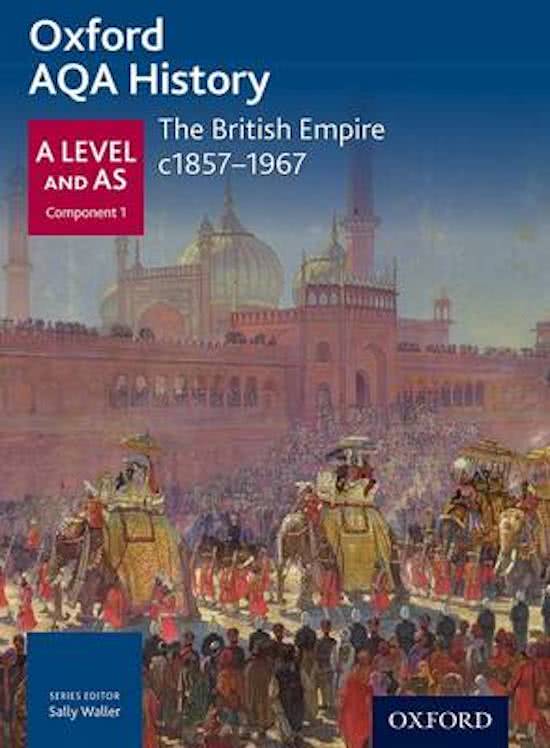
Section 1: The Development of Imperialism c1857-c1890 Chapter 6: Relationship with Indigenous Peoples
Chapter 6: Relationship with Indigenous Peoples
The Indian Mutiny
• It began among sepoys serving in the Bengal Army in 1857
• They were mainly peasant soldiers from north India which were proud of their military status because it set
them above ordinary labourers
• The traditional explanation for the outbreak was that the cartridges in the new Enfield rifles were greased with
animal fat which was religiously unacceptable for both Hindus and Muslims
• However, the real trigger was more political and to do with anger felt by the landlords and nobles who had
been deprived of their land by Governor-General Dalhousie e.g. Wajid Ali Shah, the ex-king of Awadh who
lived in Calcutta after him and his reduced court had been deposed
• The trouble began at the headquarters of the Bengal Army in Meerut. Here discipline was notoriously slack,
many were high-caste Hindus with strict beliefs while many of the officers were elderly
• Among their concerns were rumours about the regiments being sent across the sea to Burma – which offended
caste laws about crossing water
• The British did not understand the sepoy’s conflict of loyalty and they announced that any disobedience would
be severely punished- which just made the situation worse
• The sepoys turned on their officers and a mob set upon local Europeans
• They seized control of most northern cities e.g. Lucknow and Cawnpore and there was a short-lived attempt to
resurrect the old Mughal emperor – who was considered the legal ruler of India, the British were traitors
• Some rebels were discontented landowners; others, peasants who resented taxation or joined to get back at
feuding neighbours. They came from both rural and urban backgrounds
• Large areas of India were untouched but the suffering was immense
• The emperor’s sons were executed so the hopes of restoring the Mughal dynasty was dashed
• Delhi and Lucknow were devastated; villages burnt; mutineers tortured and British officers and their families
murdered
• It took 18 months of hard fighting to restore the Raj which was not entirely reinstated until June 1858
following a final battle at Gwaliar
The Impact of the Mutiny
• In 1858, India passed into direct rule of the British Crown and the internal wars which had been a constant
feature during the East India Company’s rule came to an end. There was now a single, centralised government
• The reporting in Britain had emphasised the savagery of the Indians- ignoring that of the British which
contributed to the souring of the relationship between ruler and ruled. The British public demanded Indian
blood, the Manchester Guardian said ‘outrages fouler than our pens can describe’
• Reforms were thrust upon Indians regardless of whether they needed or wanted them
• Many Britons believed their rule of India was a genuinely liberating experience for the Indians
• Public indifference to India vanished in the summer of 1857
Government and Society in India
• The British tried to act in a more religiously sensitive way in wake of the mutiny which ultimately led to a
greater degree of separation - previously there had been some degree of curiosity and admiration of the exotic
and unfamiliar Indian culture
• After the 1857 mutiny, there was a growing recognition that imposing western Christian values could be
counterproductive and missionary activity was discourages
• The Raj was administrated under British notions of ‘fairness’, Queen Victoria promised that her government
would treat all its subjects equally, uphold the rights of the princes and respect the religious beliefs of India;
but the legal system favoured the white man and were far too complex and expensive to help the poor,
particularly in matters of land tenure
Chapter 6: Relationship with Indigenous Peoples
The Indian Mutiny
• It began among sepoys serving in the Bengal Army in 1857
• They were mainly peasant soldiers from north India which were proud of their military status because it set
them above ordinary labourers
• The traditional explanation for the outbreak was that the cartridges in the new Enfield rifles were greased with
animal fat which was religiously unacceptable for both Hindus and Muslims
• However, the real trigger was more political and to do with anger felt by the landlords and nobles who had
been deprived of their land by Governor-General Dalhousie e.g. Wajid Ali Shah, the ex-king of Awadh who
lived in Calcutta after him and his reduced court had been deposed
• The trouble began at the headquarters of the Bengal Army in Meerut. Here discipline was notoriously slack,
many were high-caste Hindus with strict beliefs while many of the officers were elderly
• Among their concerns were rumours about the regiments being sent across the sea to Burma – which offended
caste laws about crossing water
• The British did not understand the sepoy’s conflict of loyalty and they announced that any disobedience would
be severely punished- which just made the situation worse
• The sepoys turned on their officers and a mob set upon local Europeans
• They seized control of most northern cities e.g. Lucknow and Cawnpore and there was a short-lived attempt to
resurrect the old Mughal emperor – who was considered the legal ruler of India, the British were traitors
• Some rebels were discontented landowners; others, peasants who resented taxation or joined to get back at
feuding neighbours. They came from both rural and urban backgrounds
• Large areas of India were untouched but the suffering was immense
• The emperor’s sons were executed so the hopes of restoring the Mughal dynasty was dashed
• Delhi and Lucknow were devastated; villages burnt; mutineers tortured and British officers and their families
murdered
• It took 18 months of hard fighting to restore the Raj which was not entirely reinstated until June 1858
following a final battle at Gwaliar
The Impact of the Mutiny
• In 1858, India passed into direct rule of the British Crown and the internal wars which had been a constant
feature during the East India Company’s rule came to an end. There was now a single, centralised government
• The reporting in Britain had emphasised the savagery of the Indians- ignoring that of the British which
contributed to the souring of the relationship between ruler and ruled. The British public demanded Indian
blood, the Manchester Guardian said ‘outrages fouler than our pens can describe’
• Reforms were thrust upon Indians regardless of whether they needed or wanted them
• Many Britons believed their rule of India was a genuinely liberating experience for the Indians
• Public indifference to India vanished in the summer of 1857
Government and Society in India
• The British tried to act in a more religiously sensitive way in wake of the mutiny which ultimately led to a
greater degree of separation - previously there had been some degree of curiosity and admiration of the exotic
and unfamiliar Indian culture
• After the 1857 mutiny, there was a growing recognition that imposing western Christian values could be
counterproductive and missionary activity was discourages
• The Raj was administrated under British notions of ‘fairness’, Queen Victoria promised that her government
would treat all its subjects equally, uphold the rights of the princes and respect the religious beliefs of India;
but the legal system favoured the white man and were far too complex and expensive to help the poor,
particularly in matters of land tenure