Through Close Analysis of Golding’s Style (Including the Choice of Language), Show
How Power is Presented in Lord of the Flies
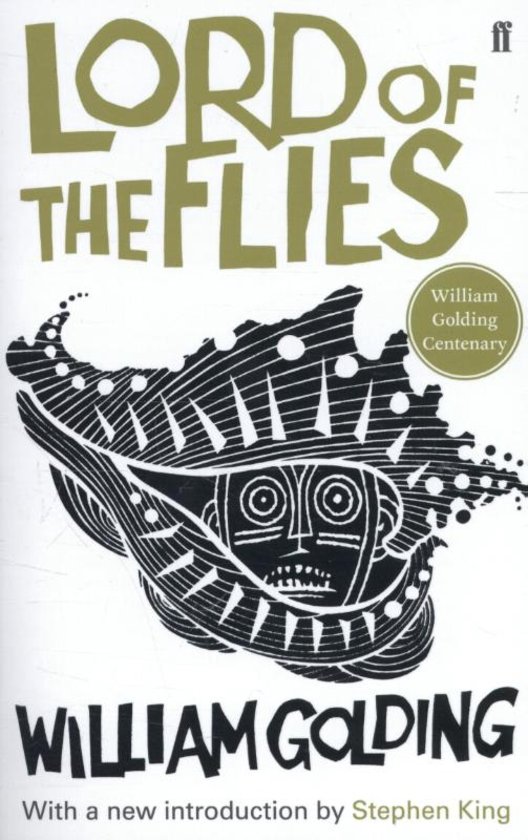
In his novel Lord of the Flies, William Golding expresses man’s incessant quest for power.
This message was motivated by his experience during World War Two, when the world
witnessed Adolf Hitler become a mad tyrant in his search for power. Themes of power are
essential from the novel’s introduction when a democratic system is established. Piggy finds
a “conch, ever so expensive”. The adjective “expensive” causes the reader to regard the
conch as something precious and valuable. Throughout the novel the conch symbolises
democracy, and here Golding establishes democratic power as essential for precious,
valued societies. WW2 is often viewed as a conflict between democracy and dictatorship,
and Golding shows the former as the more powerful at this stage.
However, Jack misuses the power this system has granted him. He influences the boys,
forcing them to laugh with “a gale of hysteria”. The noun “hysteria” has negative
connotations of madness and with the metaphor, Golding communicates to the reader how
Jack has manipulated the boys in order to increase his power over them, implying he has
caused them to forget rational thinking. This is supported by the rhetorical question “Could
they not see?”, which suggests to the reader that Jack has impeded the group’s ability to see
or think clearly. This abuse of power signifies Golding’s message that power often allows the
morally corrupt to control the weak minded and bend others to their will.
Golding conveys that humanity is power hungry through the actions of Henry, who “talked to
them, urging them, ordering them”. The repetition of the pronoun “them” in reference to the
sea creatures reveals the multiple ways Henry controls the beings, with the dynamic verbs
“urging...ordering” causing the reader to recognise how he naturally exercises his influence
over other living things. Working as a school teacher, Golding witnessed how even the most
seemingly innocent of boys would torment and bully their peers as a means of controlling
their lives, just as Henry controls the sea creatures. Dominating over weaker people gave
the boys a sense of power. Golding wished to highlight the potential to become a tyrant
within every man. He succeeds in presenting humanity as being driven to immorality due to
its obsession with power, as Henry’s sadistic joy symbolises mankind’s craving for control. In
this way, Golding displays power as a corrupting force.
Later in the novel, Jack’s power increases when he betrays hRalph. Convincing the other
boys to abandon Ralph, he exclaims “He’s not a hunter. He’d never…he isn’t…don’t”. The
repetition of the adverb “not”, alongside the adverb “never”, negates any of Ralph’s positive
attributes, with Jack exclusively using negative language. Through this betrayal of Ralph,
Golding expresses that power is often gained by immoral men through immoral means. At
the time of publishing in 1954, Golding was living in the Cold War era. At this time, rulers
such as Stalin held power in Russia and propaganda circulated against other countries,
prompting Golding’s portrayal of Jack’s campaign against Ralph.
The tension between Ralph and Jack builds as Jack ambushes Ralph’s campsite, when
“from his left hand dangled Piggy’s glasses”. Piggy’s glasses symbolise civilisation.
Therefore, the reader is shown how Jack now has control of all society on the island,
increasing his power and decreasing that of Ralph’s democracy. The verb “dangled” implies
that Jack doesn’t care for the civilisation he controls and gives it no value. Stealing the
How Power is Presented in Lord of the Flies
In his novel Lord of the Flies, William Golding expresses man’s incessant quest for power.
This message was motivated by his experience during World War Two, when the world
witnessed Adolf Hitler become a mad tyrant in his search for power. Themes of power are
essential from the novel’s introduction when a democratic system is established. Piggy finds
a “conch, ever so expensive”. The adjective “expensive” causes the reader to regard the
conch as something precious and valuable. Throughout the novel the conch symbolises
democracy, and here Golding establishes democratic power as essential for precious,
valued societies. WW2 is often viewed as a conflict between democracy and dictatorship,
and Golding shows the former as the more powerful at this stage.
However, Jack misuses the power this system has granted him. He influences the boys,
forcing them to laugh with “a gale of hysteria”. The noun “hysteria” has negative
connotations of madness and with the metaphor, Golding communicates to the reader how
Jack has manipulated the boys in order to increase his power over them, implying he has
caused them to forget rational thinking. This is supported by the rhetorical question “Could
they not see?”, which suggests to the reader that Jack has impeded the group’s ability to see
or think clearly. This abuse of power signifies Golding’s message that power often allows the
morally corrupt to control the weak minded and bend others to their will.
Golding conveys that humanity is power hungry through the actions of Henry, who “talked to
them, urging them, ordering them”. The repetition of the pronoun “them” in reference to the
sea creatures reveals the multiple ways Henry controls the beings, with the dynamic verbs
“urging...ordering” causing the reader to recognise how he naturally exercises his influence
over other living things. Working as a school teacher, Golding witnessed how even the most
seemingly innocent of boys would torment and bully their peers as a means of controlling
their lives, just as Henry controls the sea creatures. Dominating over weaker people gave
the boys a sense of power. Golding wished to highlight the potential to become a tyrant
within every man. He succeeds in presenting humanity as being driven to immorality due to
its obsession with power, as Henry’s sadistic joy symbolises mankind’s craving for control. In
this way, Golding displays power as a corrupting force.
Later in the novel, Jack’s power increases when he betrays hRalph. Convincing the other
boys to abandon Ralph, he exclaims “He’s not a hunter. He’d never…he isn’t…don’t”. The
repetition of the adverb “not”, alongside the adverb “never”, negates any of Ralph’s positive
attributes, with Jack exclusively using negative language. Through this betrayal of Ralph,
Golding expresses that power is often gained by immoral men through immoral means. At
the time of publishing in 1954, Golding was living in the Cold War era. At this time, rulers
such as Stalin held power in Russia and propaganda circulated against other countries,
prompting Golding’s portrayal of Jack’s campaign against Ralph.
The tension between Ralph and Jack builds as Jack ambushes Ralph’s campsite, when
“from his left hand dangled Piggy’s glasses”. Piggy’s glasses symbolise civilisation.
Therefore, the reader is shown how Jack now has control of all society on the island,
increasing his power and decreasing that of Ralph’s democracy. The verb “dangled” implies
that Jack doesn’t care for the civilisation he controls and gives it no value. Stealing the