Objectives:
1. Structure + function of skin
2. Ultraviolet radiation
3. Interaction between UVR + skin
4. Differences between chronological skin aging + photoaging
5. Mechanism of photoaging + skin cancer
6. Prevention strategy
STRUCTURE + FUNCTION:
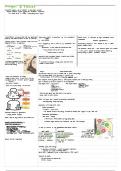
- Human skin has 2 components
- Cellular epidermis
o Replaced every 4 weeks by constant keratinocyte turnover
o Main cell type is keratinocytes
o Contains antigen-presenting Langerhans cells
o Contains melanocytes
o Not vascularised
- Acellular dermis
o Thicker than epidermis
o Has a stable extracellular matrix containing protiens
o Contains collagen
o Contains fibroblasts
o Contains nerves
o Does not contain any other cells (‘acellular’)
o Vascularised
- Underneath dermis is subcutaneous tissue (fat)
- Melanocytes produce pigment
o Active melanocytes = darker pigment
- Melanin is a natural protector against sun
o Protects stem cells in basal layer
- Fibroblasts produce collagen in dermis
- Collagen is required for firmness, elasticity + structure of skin
o Made of glycine, proline, hydroxyproline + hydrogen
- Skin is a barrier
o Physical barrier against UVR
o Chemical barrier against natural + synthetic chemicals
o Biological barrier against viruses, bacteria etc.
- Skin contains a microbiome – unknown
- Skin is needed for water retention, thermoregulation, innate + adaptive immunity,
sensory regulation of pain + pleasure + as a source of vitamin D
UVR:
- Main source of UVR is the sun
- Invisible + intangible
- UVA = most penetrable
- UVC = least penetrable
o Doesn’t contact skin because is absorbed by ozone layer
1. Structure + function of skin
2. Ultraviolet radiation
3. Interaction between UVR + skin
4. Differences between chronological skin aging + photoaging
5. Mechanism of photoaging + skin cancer
6. Prevention strategy
STRUCTURE + FUNCTION:
- Human skin has 2 components
- Cellular epidermis
o Replaced every 4 weeks by constant keratinocyte turnover
o Main cell type is keratinocytes
o Contains antigen-presenting Langerhans cells
o Contains melanocytes
o Not vascularised
- Acellular dermis
o Thicker than epidermis
o Has a stable extracellular matrix containing protiens
o Contains collagen
o Contains fibroblasts
o Contains nerves
o Does not contain any other cells (‘acellular’)
o Vascularised
- Underneath dermis is subcutaneous tissue (fat)
- Melanocytes produce pigment
o Active melanocytes = darker pigment
- Melanin is a natural protector against sun
o Protects stem cells in basal layer
- Fibroblasts produce collagen in dermis
- Collagen is required for firmness, elasticity + structure of skin
o Made of glycine, proline, hydroxyproline + hydrogen
- Skin is a barrier
o Physical barrier against UVR
o Chemical barrier against natural + synthetic chemicals
o Biological barrier against viruses, bacteria etc.
- Skin contains a microbiome – unknown
- Skin is needed for water retention, thermoregulation, innate + adaptive immunity,
sensory regulation of pain + pleasure + as a source of vitamin D
UVR:
- Main source of UVR is the sun
- Invisible + intangible
- UVA = most penetrable
- UVC = least penetrable
o Doesn’t contact skin because is absorbed by ozone layer