POLITICAL SCIENCE- POWER EXAM
QUESTIONS WITH CORRECT ANSWERS
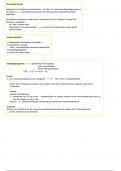
(Political) Power - ANSWER-The ability of one to get another one to do something. One
feature distinguishes political science from the other sciences- its focus on power.
Kinds of (Political) Power? - ANSWER-Action (Real) Power and Perceived Power
Action ( Real) Power - ANSWER-Talked about in the context of nation and state.
Military is an example of action power. Used in war
Perceived Power - ANSWER-Perceived power is the kind of power a nation/state wants
another nation/state to think it has. Used in international relations. Has to do with the
perception of power. Perceived power is greater that action power. Involves threat, fear
etc. Related to respect. Has two tools: reward and punishment
Elements of Power ( 2 types)? - ANSWER-Tangible elements and Intangible elements.
Tangible elements - ANSWER-Can be measured, weighed, touched.
Ex. Population, territory, national resources, agricultral productivity, military strength.
Population - ANSWER-Satisfied pop. vs. dissatisfied pop.; Relationship btw. govt and
ppl. are good= S pop.; Relationship btw. govt. and ppl. are bad= D pop. which can turn
into unrest, rise up's against govt., and weakness.
Territory - ANSWER-Where a country is located can affect its power- both positively and
negatively. Ex. U.S.A is near water and away from the conflicts in the middle east=
good; not near natural resources= bad
Natural Resources - ANSWER-If you have control over natural resources can be both
good and bad. Ex. Saudi Arabia= powerful and wealthy b/c natural resource gets
American money. Ex. Africa= bad, hazardous b/c ppl. are fighting over natural
resources.
Agricultural Productivity - ANSWER-Problems- You cant produce it for the consumption
of your people, you have to export it. Ex. World Trade Organization- Pry into small
countries agricultural affairs for western world.
Good- If able to produce= self-sufficient
Intangible Elements - ANSWER-Can not physically feel, but can abstractly feel. Ex.
Leadership, type of govt, bureaucratic efficiency, social cohesion, overall reputation of
country, foreign support, accidents of history
QUESTIONS WITH CORRECT ANSWERS
(Political) Power - ANSWER-The ability of one to get another one to do something. One
feature distinguishes political science from the other sciences- its focus on power.
Kinds of (Political) Power? - ANSWER-Action (Real) Power and Perceived Power
Action ( Real) Power - ANSWER-Talked about in the context of nation and state.
Military is an example of action power. Used in war
Perceived Power - ANSWER-Perceived power is the kind of power a nation/state wants
another nation/state to think it has. Used in international relations. Has to do with the
perception of power. Perceived power is greater that action power. Involves threat, fear
etc. Related to respect. Has two tools: reward and punishment
Elements of Power ( 2 types)? - ANSWER-Tangible elements and Intangible elements.
Tangible elements - ANSWER-Can be measured, weighed, touched.
Ex. Population, territory, national resources, agricultral productivity, military strength.
Population - ANSWER-Satisfied pop. vs. dissatisfied pop.; Relationship btw. govt and
ppl. are good= S pop.; Relationship btw. govt. and ppl. are bad= D pop. which can turn
into unrest, rise up's against govt., and weakness.
Territory - ANSWER-Where a country is located can affect its power- both positively and
negatively. Ex. U.S.A is near water and away from the conflicts in the middle east=
good; not near natural resources= bad
Natural Resources - ANSWER-If you have control over natural resources can be both
good and bad. Ex. Saudi Arabia= powerful and wealthy b/c natural resource gets
American money. Ex. Africa= bad, hazardous b/c ppl. are fighting over natural
resources.
Agricultural Productivity - ANSWER-Problems- You cant produce it for the consumption
of your people, you have to export it. Ex. World Trade Organization- Pry into small
countries agricultural affairs for western world.
Good- If able to produce= self-sufficient
Intangible Elements - ANSWER-Can not physically feel, but can abstractly feel. Ex.
Leadership, type of govt, bureaucratic efficiency, social cohesion, overall reputation of
country, foreign support, accidents of history