EASEMENTS – REVISION NOTES
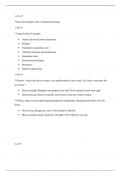
How Are Easements Created?
1. Necessity
2. Common Intention
3. The rule in Wheeldon v Burrow
4. Section 62 Law of Property Act 1925
What Is An Easement?
A limited right over the land or another. However, in more detail it means:
“An easement is a right annexed to land to utilize other land of different
ownership in a particular manner (not involving the taking of any part of the
natural produce of the land or of any part of its soil) or to prevent the owner of the
other land from utilizing his land in a particular manner.” - Halsbury's Laws, 4th edn.
vol.14, para.1
Express Grant Of A Legal Easement (Transferred Into Title) (Express)
Expressly granted easement:
Section 1(2)(a) Law of Property Act 1925 – Legal Interest
Section 27(2) Law of Property Act 1925 – Registerable Disposition
Section 52 Law of Property Act 1925 – Needs to be created by Deed
What Is An Easement?
Re Ellenborough Park (1956) – Sets out the rules of an easement (Right of way)
The court explained that for the right of way to be an easement there must be
dominant and servient land and two pieces of land must in a different ownership. The
easement must benefit the dominant land and must be capable of being granted:
• Dominant and servient land
• Benefits the dominant land
• Diversity of ownership
• Capable of being granted
How Are Easements Created?
1. Necessity
2. Common Intention
3. The rule in Wheeldon v Burrow
4. Section 62 Law of Property Act 1925
What Is An Easement?
A limited right over the land or another. However, in more detail it means:
“An easement is a right annexed to land to utilize other land of different
ownership in a particular manner (not involving the taking of any part of the
natural produce of the land or of any part of its soil) or to prevent the owner of the
other land from utilizing his land in a particular manner.” - Halsbury's Laws, 4th edn.
vol.14, para.1
Express Grant Of A Legal Easement (Transferred Into Title) (Express)
Expressly granted easement:
Section 1(2)(a) Law of Property Act 1925 – Legal Interest
Section 27(2) Law of Property Act 1925 – Registerable Disposition
Section 52 Law of Property Act 1925 – Needs to be created by Deed
What Is An Easement?
Re Ellenborough Park (1956) – Sets out the rules of an easement (Right of way)
The court explained that for the right of way to be an easement there must be
dominant and servient land and two pieces of land must in a different ownership. The
easement must benefit the dominant land and must be capable of being granted:
• Dominant and servient land
• Benefits the dominant land
• Diversity of ownership
• Capable of being granted