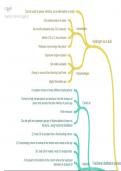
Can be used to power vehicles, as an alternative to petrol
Only waste product is water
No harmful pollutants likes CO2 released Advantages
Niether CO or C are produced
Hydrogen as a fuel
Releases more energy than petrol
Expensive engine required
Not widely available
Energy is sourced from burning fossil fuels Disadvantages
Highly flammable gas
A complex mixture of many different hydrocarbons
Formed at high temperatures and pressure from the remains of
plants and animals that dies millions of years ago Crude oil
Finite resource
Can be split into seperate groups of hydrocarbons known as
fractions, using fractional distillation
1) Crude Oil is pumped into a fractionating column
2) Fractionating column is hottest at the bottom and coolest at the top
3) Crude Oil is heated, most of it evapourates
4) Its piped to the bottom of the column where the liquid part
(bitumen) is drained off Method Fractional distillation process
Only waste product is water
No harmful pollutants likes CO2 released Advantages
Niether CO or C are produced
Hydrogen as a fuel
Releases more energy than petrol
Expensive engine required
Not widely available
Energy is sourced from burning fossil fuels Disadvantages
Highly flammable gas
A complex mixture of many different hydrocarbons
Formed at high temperatures and pressure from the remains of
plants and animals that dies millions of years ago Crude oil
Finite resource
Can be split into seperate groups of hydrocarbons known as
fractions, using fractional distillation
1) Crude Oil is pumped into a fractionating column
2) Fractionating column is hottest at the bottom and coolest at the top
3) Crude Oil is heated, most of it evapourates
4) Its piped to the bottom of the column where the liquid part
(bitumen) is drained off Method Fractional distillation process