FOODBORNE ILLNESS questions and answers(latest update)
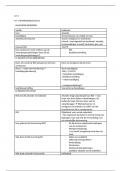
Pathogens -microorganisms that cause illness two types of pathogens -one that make you sick when you eat them -toxin (poison) producing ones that make you sick symptoms of a foodborne illness -diarrhea -vomiting -fever -nausea -abdominal cramps -jaundice *varies from person to person and from illness the big six -highly contagious - singled out by FDA - can cause severe illness 1. shigella spp. 2. salmonella typhi 3. nontyphoidal salmonella 4. shiga toxin-producing E. Coli 5. Hepatitis A 6. Norovirus **high number is infected persons feces Bacteria -single-celled living microorgaisms that can spoil food and cause foodborne illness common characteristics of bacteria: -location: found almost everywhere -detection: cannot be seen, smelled or tasted -toxin production: some produce toxins that cause humans to become sick, not destroyed by cooking. -growth: if conditions are right; bacterial will grow in rapid numbers -prevention: control time and temp bacteria need 6 conditions to grow: FATTOM -Food -Acidity (4.6-7.5) -Temperature -Time -Oxygen -Moisture: high moisture Temperature danger zone 41-135 degrees F anerobic bacteria can grow in.. cooked rice, untreated garlic-and-oil mixtures and temp-abused baked potatoes 4 stages of bacterial growth: -lag: adjustment period, getting ready to grow -log: reproduce by splitting in 2 -stationary: growing and dying at same rate (unfavorable conditions) -death: population declines spores -found in dirt -resist heat/ survive cooking temps -change into a form that grows -to keep from dying when they lack nutrients bacteria can change into spores bacteria that can be prevented through time/temp control -bacillus cerus -listeria monocytogene -E. coli -campylobacter jejuni -clostridium perfringens -clostridium botulinum bacteria that can be prevented by preventing cross contamination: nontyphoidal salmonella salmonella typhi bacteria that can be prevents by practicing personal hygiene shigella spp staphylococus aureus bacteria that can be prevented by purchasing products from a reputable supplier -vibrio vulnificus -vibrio parahaemolyticus Bacillus cerus: common source: food commonly linked with most common synptoms preventative measures -dirt -cooked veggies/meat produsts/milk -cooked rice dishes -diarrhea illness (watery diarrhea, no vomiting) -vomiting illness (nausea, vomiting) -control Listeria monocytogenes common source: food commonly linked with most common synptoms preventative measures -dirt/water/plants -raw meat/unpasteurized dairy/RTE foods -pregnant women (miscarriage) -newborns (sepsis, pneumonia, meningitis) -control time/temp E. Coli common source: food commonly linked with most common synptoms preventative measures -intestines of cattle -ground beef (raw/undercooked)/ contaminated produce -diarrhea (bloody)/ab cramps/kidney failure (severe) -control time/temp Campylobacter jejuni common source: food commonly linked with most common synptoms preventative measures poultry/contaminated water -poultry/water contaminated with bacteria/meats/stews/gravies -diarrhea (watery/bloody)/ad cramps/fever/vomiting/headaches -control time/temp Clostridium perfringens common source: food commonly linked with most common synptoms preventative measures -dirt -meat/poultry/dishes made w meat/poultry like stews/gravies -diarrhea/severe ab pain -control time/temp Clostridium botulinum common source: food commonly linked with most common synptoms preventative measures -water/dirt -incorrectly canned food -ROP food -temp-abused veggies, baked potatoes -untreated garlic-in-oil mixtures -initially: nausea -later: weakness/double vision/difficulty speaking/swallowing -control time/temp Nontyphodial salmonella common source: food commonly linked with most common synptoms preventative measures -farm animals carry naturally -poultry/eggs/meat/milk/dairy products/produce (tomatoes, peppers, cantaloupes) -diarrhea/ab cramps/vomiting/fever -control cross-contamination Salmonella typhi common source: food commonly linked with most common synptoms preventative measures -only in humans -RTE food -beverages -high fever/weakness/ab pain/headache/loss of appetite -control cross-contamination Shigella spp common source: food commonly linked with most common synptoms preventative measures -feces of humans with illness -food that is essentially contaminated by hands (TCS foods)/food thats made contact with contaminated water -bloody diarrhea/ab pain/cramps/fever -personal hygiene Staphylococcus aureus common source: food commonly linked with most common symptoms preventative measures -humans - hair/nose/throat -salads containing TCS foods/ deli meats (egg, tuna, chicken, macaroni) -nausea/vomiting/retching/ab cramps -personal hygiene Vibrio vulnificus/ parahaemolyticus common source: food commonly linked with most common synptoms preventative measures -waters where shellfish are harvested -oysters from contaminated waters -diarrhea/ab cramps/vomiting/low grade fever and chills
Written for
- Institution
- CDM
- Course
- CDM
Document information
- Uploaded on
- May 16, 2024
- Number of pages
- 29
- Written in
- 2023/2024
- Type
- Exam (elaborations)
- Contains
- Questions & answers
Subjects
-
foodborne illness question

Also available in package deal