HONDROS NURSING 212 COMPREHENSIVE QUESTIONS
AND CORRECT ANSWERS APPROVED EXAM LATEST 2024
UPDATE
What is the first thing the nurse should do if she suspects any issues with a patients chest
tube?
Make sure the chest tube connections are secure
What are the steps to a self breast exam?
Step 1: Lie down and place left arm behind head (lying down spreads breast tissue evenly)
Step 2: Use finger pads of 3 middle fingers on your right hand to feel for lumps in the left breast.
Use overlapping dime-sized circular motions to feel breast tissue. Light, medium, and firm
pressure to feel each layers. (A firm ridge on the curve of each breast is normal)
Step 3: Move around breast in a vertical pattern at an imaginary straight line down your side
from the underarm.
Respect for right breast.
Step 4: Stand in front of mirror and tighten pectoral muscles for any redness, lumps, shapes, or
scaliness near nipples.
Step 5: Examine each underarm for and knot, or thickening tissue
What should be done when there is an obstruction in a chest tube and why?
Milk the tube, never strip due to pressure changes
When is it normal to find bleeding in a chest tube?
Only with a hemothorax
Is tidaling normal with a chest tube?
Yes, on respirations
What does it mean when there is no longer tidaling with a chest tube?
That the tube is ready to be taken out
Is constant bubbling with a chest tube good or bad?
Bad
Is crepidous supposed to be at the chest tube site?
No, but usually resolves back into the body
What is crepidous?
Air bubbles in the subcutaneous tissue surrounding chest tube site
How should a chest tube be observed for any issues?
From the patient to the machine
What prevents lymphedema?
Exercise, healthy diet (health maintenance)
Treatment for lymphedema?
Healthy diet, exercise, compression stockings, good skin/nail care, decongestive therapy, elevate
extremity, isometric exercises
What are neutropenic precautions?
Avoid fresh fruits/veggies, no fresh flowers, good hand hygiene (infection prevention)
Signs and symptoms of thrombocytopenia?
, Most patients are asymptomatic, but s\s include bleeding (mucosal or cutaneous), bruising,
petechiae, purpura, and s\s of hemmorhaging.
Adverse affects of chemo/radiation?
Nausea, vomiting, anorexia, diarrhea, skin breakdown, reproductive dysfunction, nephrotoxicity,
neuropathy, anemia
Fatigue management for chemo?
Encourage moderate exercise as tolerated, encourage rest when fatigued but to continue to
maintain lifestyle patterns as much as possible while pacing activities to energy level, and
reassure that fatigue is a common side affect
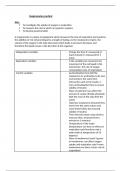
Stages of cancer?
1-Initiation
2-Promotion-Can be reversed with lifestyle changes.
3-Latent
4-Progression
Initiation stage
Injury to DNA, genetic changes.
Promotion stage
Proliferation, reversible (lifestyle changes can reduce risk)
Latent stage
Tumor present, no evidence of cancer
Progression stage
Tumor has own blood supply, increased growth rate, invading surrounding cells, metastases
Are all side effects of chemo instant?
No, can be latent for a few days to a week
Proper PPE for nurse administering chemo?
Gloves, gown, and mask
Proper skin care for a patient on radiation therapy?
Aloe or lotion without perfume, metal, alcohol, or additives. No heating pads or ice packs.
Frequent skin assessments.
S\S of adverse affects of IV chemo?
Painful, red, swollen, or blistered IV site.
Primary prevention for cancer?
Lifestyle changes, healthy diet, exercise, smoking cessation.
Secondary prevention for cancer?
Screenings (breast/testicle self exam, Pap smear, PSA)
What is an important nursing intervention for a patient with a mastectomy
No BP or injections on the side with mastectomy, and elevate arm to help with flow of lymph
due to the risk of lymphedema
Characteristics of benign tumors?
slow steady growth, remains localized, contained within a capsule, crowds normal tissue, rarely
fatal, rarely reoccurs after removal, movable when palpated
A patient is receiving chemo, which lab result would mean the patient should be put on
neutropenic precautions?
WBC
The nurse is teaching a nursing student about the stages of cancer development. Which
statement by the student indicates a need for further teaching?
AND CORRECT ANSWERS APPROVED EXAM LATEST 2024
UPDATE
What is the first thing the nurse should do if she suspects any issues with a patients chest
tube?
Make sure the chest tube connections are secure
What are the steps to a self breast exam?
Step 1: Lie down and place left arm behind head (lying down spreads breast tissue evenly)
Step 2: Use finger pads of 3 middle fingers on your right hand to feel for lumps in the left breast.
Use overlapping dime-sized circular motions to feel breast tissue. Light, medium, and firm
pressure to feel each layers. (A firm ridge on the curve of each breast is normal)
Step 3: Move around breast in a vertical pattern at an imaginary straight line down your side
from the underarm.
Respect for right breast.
Step 4: Stand in front of mirror and tighten pectoral muscles for any redness, lumps, shapes, or
scaliness near nipples.
Step 5: Examine each underarm for and knot, or thickening tissue
What should be done when there is an obstruction in a chest tube and why?
Milk the tube, never strip due to pressure changes
When is it normal to find bleeding in a chest tube?
Only with a hemothorax
Is tidaling normal with a chest tube?
Yes, on respirations
What does it mean when there is no longer tidaling with a chest tube?
That the tube is ready to be taken out
Is constant bubbling with a chest tube good or bad?
Bad
Is crepidous supposed to be at the chest tube site?
No, but usually resolves back into the body
What is crepidous?
Air bubbles in the subcutaneous tissue surrounding chest tube site
How should a chest tube be observed for any issues?
From the patient to the machine
What prevents lymphedema?
Exercise, healthy diet (health maintenance)
Treatment for lymphedema?
Healthy diet, exercise, compression stockings, good skin/nail care, decongestive therapy, elevate
extremity, isometric exercises
What are neutropenic precautions?
Avoid fresh fruits/veggies, no fresh flowers, good hand hygiene (infection prevention)
Signs and symptoms of thrombocytopenia?
, Most patients are asymptomatic, but s\s include bleeding (mucosal or cutaneous), bruising,
petechiae, purpura, and s\s of hemmorhaging.
Adverse affects of chemo/radiation?
Nausea, vomiting, anorexia, diarrhea, skin breakdown, reproductive dysfunction, nephrotoxicity,
neuropathy, anemia
Fatigue management for chemo?
Encourage moderate exercise as tolerated, encourage rest when fatigued but to continue to
maintain lifestyle patterns as much as possible while pacing activities to energy level, and
reassure that fatigue is a common side affect
Stages of cancer?
1-Initiation
2-Promotion-Can be reversed with lifestyle changes.
3-Latent
4-Progression
Initiation stage
Injury to DNA, genetic changes.
Promotion stage
Proliferation, reversible (lifestyle changes can reduce risk)
Latent stage
Tumor present, no evidence of cancer
Progression stage
Tumor has own blood supply, increased growth rate, invading surrounding cells, metastases
Are all side effects of chemo instant?
No, can be latent for a few days to a week
Proper PPE for nurse administering chemo?
Gloves, gown, and mask
Proper skin care for a patient on radiation therapy?
Aloe or lotion without perfume, metal, alcohol, or additives. No heating pads or ice packs.
Frequent skin assessments.
S\S of adverse affects of IV chemo?
Painful, red, swollen, or blistered IV site.
Primary prevention for cancer?
Lifestyle changes, healthy diet, exercise, smoking cessation.
Secondary prevention for cancer?
Screenings (breast/testicle self exam, Pap smear, PSA)
What is an important nursing intervention for a patient with a mastectomy
No BP or injections on the side with mastectomy, and elevate arm to help with flow of lymph
due to the risk of lymphedema
Characteristics of benign tumors?
slow steady growth, remains localized, contained within a capsule, crowds normal tissue, rarely
fatal, rarely reoccurs after removal, movable when palpated
A patient is receiving chemo, which lab result would mean the patient should be put on
neutropenic precautions?
WBC
The nurse is teaching a nursing student about the stages of cancer development. Which
statement by the student indicates a need for further teaching?