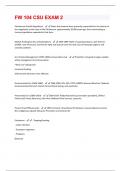
FW 104 CSU EXAM 2 Questions With 100% Correct!!
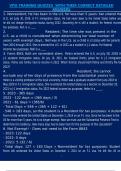
Pleistocene Overkill Hypothesis - States that humans were primarily responsible for the demise of the megafauna at the close of the Pleistocene, approximately 10,000 years ago, from overhunting as human populations expanded at that time. Market Hunting Era (Era of Exploitation) - : Myth of superabundance; dark time for wildlife, new Americans claimed the right and duty to tame the land, loss of Passenger pigeons and Carolina parakeet. Era of Game Management () (conservation era) - Protection not good enough, needed active management and conservation "Wise Use" taking hold Increased funding Enforcement becomes more effective Environmental Era () - : EPA, ESA, CITES, MMPA, Noxious Weed Act, National Environmental Policy Act, Rachel Carson (Silent Spring; anti-pesticide) Preservation Era () - : Teddy Roosevelt (conservation president), Gifford Pinchot (US Forest Reserves), John Muir (National Park Service), Lacey Act Present Era (1990-present) - 1990's-Present: Amendment for Beavers, Invasive Species Counsel, Non-indigenous Aquatic Nuisance Prevention and Control Act Furbearers - - Trapping/hunting - urban interface - Ecosystem engineers - Predators (beavers)ecosystem engineers - a keystone species that creates or maintains habitat for other species Migratory Game Birds - All wild species of ducks, mergansers, geese, brant, coots, rails, gallinules, plovers, Wilson's snipe or jacksnipe, woodcock, mourning doves, white-winged doves, white-tipped (white-fronted) doves, red-billed pigeons, band-tailed pigeons, shorebirds of all varieties and sandhill cranes. - Migratory Bird Treaty Act (1918) Federal regulation - international relations flyways - routes that migrating birds follow year after year Small Game and Upland Game Birds - birds and small mammals regularly hunted for sport but not classified as furbearers, big game, or waterfowl Non-Game and T&E Species (Threatened and Endangered) - -Black -footed ferret - The whooping crane, etc. - Federal Protection Recovery Plans Monitoring... -Watching -non-consumptive -Management
Written for
- Institution
- FW 104 CSU
- Course
- FW 104 CSU
Document information
- Uploaded on
- May 3, 2024
- Number of pages
- 9
- Written in
- 2023/2024
- Type
- Exam (elaborations)
- Contains
- Questions & answers
Subjects

Also available in package deal