HIM EXAM 1 Questions and Answers with Accurate Solution
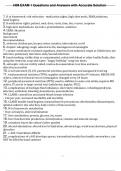
HIM EXAM 1 Questions and Answers with Accurate Solution 1. R in frameowrk: risk reduction - medication rights, high alert meds, SBAR, isolations, hand hygiene 2. 8 medication rights: patient, med, dose, route, time, doc, reason, response 3. high alert medications: narcotics, promethazine, sedatives 4. SBAR: Situation Background Assessment Recommendation 5. airborne: chicken pox, herpes zoster, measles, tuberculosis, covid 6. droplet: whopping cough, adenovirus flu, meningococcal meningitis 7. contact: medication-resistant organisms, diarrhea from unknown origin or GI infection, eye infection, pulmonary infections, skin/wound infections 8. hand washing: visibly dirty or contaminated, soiled with blood or other bodily fluids, after using the restroom, soap and water, "happy birthday" song two times 9. antiseptic rub: not visibly soiled, routine documentation, less time and more effective/accessible 10. A in framework (I): I/O, parenteral nutrition, gastronomy and nasogastric feed- ing 11. total parenteral nutrition (TPN): supplies nutritional needs thru IV infusion. NEEDS: MD orders, central or femoral vein or intrajugular, changed every 24 hours 12. peripheral parenteral nutrition (PPN): used in addition to some oral intake, requires MD orders, IV access to large central vein (subclavian, jugular, PICC) 13. complications of feedings: fluid imbalance, electrolyte imbalance, refeeding syndrome, infection, embolism, bleeding, hemothorax, pneumothorax 14. CLABSI: central line associated blood stream infection - 41k per year, increased morbidity and mortality 15. CLABSI bundle: hand hygiene, maximal barrier precautions, chlorhexidine skin antisepsis, optimal catheter site selection, daily review of line necessity 16. M in framework: metabolism - liver, urinalysis, altered elimination 17. liver metabolism: protein, glucose, fat, waste 18. liver function: bile production, detoxification, vitamin and mineral storage 19. urinalysis: know the values! (other quizlet) 20. altered elimination: altered level of hydration, advanced age, weak muscular tone, physical disorders 21. c. diff.: Clostridium difficile 22. complications of c diff: develops spores, transmitted mostly thru health care workers, can NOT be killed by hand sanitizer 23. caring for a c diff pt: monitor antibiotics, meticulous skin care, contact pre- cautions (gown and gloves), anti peristaltic, antidiareals, opiates, Flagyl and Van- comycin, teaching pt reassure for understanding 24. A in framework (II): activity/rest -falls 25. extrinsic factor: lighting, trip hazards, equipment, nursing unit design flaw, staff attitude, lack of staff education 26. intrinsic factor: comorbidities, hypotension, behavioral disturbance, vision im- pairment, muscle weakness, incontinence 27. high fall risk medications: antipsychotics, benzodiazepines, sedatives, hyp- notics, digoxin 28. fall risk screening: check for intrinsic and extrinsic factors, prior history of falls, IV lines and other equipment, required upon admission, transfer to new unit, after change in level of care or patient condition, after a fall 29. 4 P's of rounding: pain, potty, position, possessions 30. P in framework: Psychosocial - anxiety, depression, suicide, substance abuse 31. population health: Health outcomes, patterns of health determinants, policies and interventions that link the two 32. O in framework: Oxygenation - considered a drug and requires prescription 33. O2 safety: no smoking signs, hazards of smoking with O2 use, avoid static electricity, avoid flammable material, known location of fire extinguishers 34. QSEN: quality and safety of education in nursing 35. complex syndrome: under-nutrition, impaired physical function, depression, cognitive impairment - geriatric failure to thrive 36. creatinine clearance test: (140 - age in years) MULTIPLIED BY Body weight in kg ALL DIVIDED BY serum creatinine in mg/dl MULTIPLIED BY 2 37. 3 D's of cognitive risk: depression, delirium, dementia 38. CAGE test: alcohol test: -C ut down on your drinking? -A nnoyed by criticism of your drinking? -G uilty about your drinking? -E ye openers? 39. neglect: caregiver failure to provide basic needs 40. abuse: physical, financial emotional 41. SPICES framework: Sleep disorders Problems with eating or feeding Incontinence Confusion Evidence of falls Skin breakdown 42. PERRLA: pupils equal, round, reactive to light and accommodation 43. age related structure changes of the eye: decreased muscle tone, ectropion, dry eye, arcus senilis, corneal change, sclera color change, less ability to dilate pupil, yellow lens, decreased far point and color deception 44. diagnostic eye tests: imaging assessment, slit-lamp exam, corneal staining, tonometry, fluorescein angiography, electroretinography
Written for
- Institution
- HIM
- Course
- HIM
Document information
- Uploaded on
- April 20, 2024
- Number of pages
- 8
- Written in
- 2023/2024
- Type
- Exam (elaborations)
- Contains
- Questions & answers
Subjects
-
him exam 1 questions and answers with accurate sol
-
1r in frameowrk risk reduction medication rig
-
3high alert medications narcotics promethazine
-
5airborne chicken pox herpes zoster measles

Also available in package deal