Summary Behavioral Economics
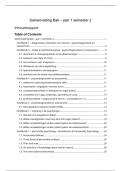
Wk 1 Introducton.................................................................................................................................................................... 2
1.1 What is behavioral economics?.................................................................................................................................................2
1.2 Assumptons of std. economics..................................................................................................................................................2
1.3 Examples of violatons of the std. assumptons.........................................................................................................................2
1.4 Bounded ratonality....................................................................................................................................................................3
1.5 Are social pref. ratonal..............................................................................................................................................................3
1.6 Reliability and internal and external validity.............................................................................................................................3
Wk 2 Reference points: prospect theory, anchoring and the endowment efect.......................................................................4
2.1 Prospect theory: an analysis of decision under risk...................................................................................................................4
2.1.1 Examples where expected U fails............................................................................................................................................4
2.1.3 Prospect theory.......................................................................................................................................................................4
2.2 Social reference points...............................................................................................................................................................5
2.3 Anchoring...................................................................................................................................................................................5
2.4 Loss aversion without risk: the endowment efect....................................................................................................................5
2.5 A remark about process models and statstcal models............................................................................................................5
Wk 3 Time preferences, self-control, dual systems, confdence iases, self serving iases........................................................6
3.1 Time preferences........................................................................................................................................................................6
3.2 Self-control.................................................................................................................................................................................6
3.3 Dual self and dual system models..............................................................................................................................................6
3.4 Overconfdence (and under confdencee....................................................................................................................................7
3.5 Overconfdence and self-control................................................................................................................................................7
Wk 4 Social ehavior and social infuences on ehavior........................................................................................................... 8
4.1 Social preferences......................................................................................................................................................................8
4.2 Reciprocity..................................................................................................................................................................................9
4.3 Indirect reciprocity.....................................................................................................................................................................9
4.4 Norms.........................................................................................................................................................................................9
4.5 How psychologists and economists interpret stable behavior..................................................................................................9
Wk 5 Infuencing ehavior y frms and government (nudge)................................................................................................. 10
5.1 Infuencing behavior.................................................................................................................................................................10
5.2 Infuencing buying decisions by frms......................................................................................................................................10
5.3 Infuencing behavior by government: nudges..........................................................................................................................11
Wk 6 Learning and ehavioral game theory........................................................................................................................... 12
6.1 Game theory.............................................................................................................................................................................12
6.2 Behavioral game theory...........................................................................................................................................................13
6.3 Learning...................................................................................................................................................................................13
6.4 The number guessing game.....................................................................................................................................................14
, Wk 1 Introduction
1.1 What is behavioral economics?
Std.econ.: agents max. some functon like U or proft. o make the models work many assumptons used about human behavior.
BE: best defned as a deviaton from std.econ. Goal BE: try to make new economic theories that can describe and predict human
behavior, also covering the consistent anomalies/regularites. BE tries to adapt std. models (if they fail). BE theories are more
context-dependent. BE is very open to insights from other disciplines like psychology, sociology, biology etc.
Differences between BE and psychology:
- Psychologists try to prove by experiments that some phenomenon exists, afer that they give it a name and call it a
“theory”. BE wants to know exactly in what situatons this occurs (and when not): you don’t want to change a theory for
something that is extremely rare in reality.
- Psychologists rarely study the robustness of an effect
- Psychologists use only experiments, ofen deceive subjects and use no incentves. Experimental economist always
incentviies and never deceives and also go out of the lab; feld experiments, natural experiments, feld data
1.2 Assumptions of std. economics
Std.econ. assumptons:
Structure of pref. over outcomes (axioms like transitvity, completeness etc.)
Only outcomes matter (fnal wealth), not changes or intentons
Belief updatng and subjectve probability
No (or negligible) cost for info or decision costs (all info is freely available)
No limits of reasoning power (no problem is too complex)
No self-control pro lems (one set of consistent pref. and you will never regret decisions)
1.3 Examples of violations of the std. assumptions
Consumer pref. if following assumptons are met, the preference structure can be described in a U functon;
o Completeness: either A or B is preferred, or the consumer is indifferent. DDs know exact pref.
If you are indifferent between two optons and a little extra is added to one, that opton should be preferred.
If individuals have trouble choosing (when they don’t know their exact preferences), they tend to;
postpone a decision if possible,
stck to the current situaton if possible (status quo),
accept the default if available (default bias); the choice for which no acton has to be taken.
o Transitiity: if A preferred over B and B over C then A should be preferred over C (A>B>C).
Condorcet paradox: in groups the outcome of votes depends on the order of votes (Condorcet cycle).
ransitvity is bad [money-machine; extract money from DD with intransitve preferences].
Uncertainty, risk, am iguity
In many cases outcomes are uncertain: the DD does not know the consequences of a choice with certainty.
Risk (p is known), versus ambiguity (p not known). Ambiguity is more common in real life.
Std.econ. with risk: expected U. wo more assumptons/axioms needed (besides completeness and transitvity);
o Contnuity aassumpton: if X preferred over Y then aX + (1-a)Y preferred over Y for all 0<a<1.
o Independence aof airreleiant aalternaties aassumpton: if X~Y then for all Z and p [(p:X,(1-p):Z]~[p:Y,(1-p):Z].
With these assumptons there exists an expected U functon such that U(p:X, (1-p):Y)=pU(X)+(1-p)U(Y)
wo psychological propertes that are the same;
Diminishing/increasing sensitvity for money (U increases less/more the wealthier DDs already are)
Risk attude risk averse/risk loving
If risk averse, decreasing slope, diminishing sensitvity for money.
Risk premium: the maximum amount a DD is willing to pay to avoid the lottery.
Std.econ. with ambiguity: subjectve expected U. When p’s unknown, std.econ. assumes that DDs attach a subjectve p
to each possible event.
o Rules afor athese asubjectie aprobabilites;
1. Subjectve probabilites add up to no more than 1
2. If A is a subset of B, then P(A)≤P(B)
3. he probabilites are independent of the consequences of the event (no optmism or pessimism allowed)
Violatons of these assumptons:
Independence of irrelevant alternatves in EU (Allais paradox) [lottery].
Optmism [rain on the dam].
Super additvity, a+b>c [subjectve p index between 4-5 + between 5-6 > subjectve p between 4-6].
Availability heuristc: how easy it is to imagine an event [ajax will get 1-0 behind but will win in the end].
Wk 1 Introducton.................................................................................................................................................................... 2
1.1 What is behavioral economics?.................................................................................................................................................2
1.2 Assumptons of std. economics..................................................................................................................................................2
1.3 Examples of violatons of the std. assumptons.........................................................................................................................2
1.4 Bounded ratonality....................................................................................................................................................................3
1.5 Are social pref. ratonal..............................................................................................................................................................3
1.6 Reliability and internal and external validity.............................................................................................................................3
Wk 2 Reference points: prospect theory, anchoring and the endowment efect.......................................................................4
2.1 Prospect theory: an analysis of decision under risk...................................................................................................................4
2.1.1 Examples where expected U fails............................................................................................................................................4
2.1.3 Prospect theory.......................................................................................................................................................................4
2.2 Social reference points...............................................................................................................................................................5
2.3 Anchoring...................................................................................................................................................................................5
2.4 Loss aversion without risk: the endowment efect....................................................................................................................5
2.5 A remark about process models and statstcal models............................................................................................................5
Wk 3 Time preferences, self-control, dual systems, confdence iases, self serving iases........................................................6
3.1 Time preferences........................................................................................................................................................................6
3.2 Self-control.................................................................................................................................................................................6
3.3 Dual self and dual system models..............................................................................................................................................6
3.4 Overconfdence (and under confdencee....................................................................................................................................7
3.5 Overconfdence and self-control................................................................................................................................................7
Wk 4 Social ehavior and social infuences on ehavior........................................................................................................... 8
4.1 Social preferences......................................................................................................................................................................8
4.2 Reciprocity..................................................................................................................................................................................9
4.3 Indirect reciprocity.....................................................................................................................................................................9
4.4 Norms.........................................................................................................................................................................................9
4.5 How psychologists and economists interpret stable behavior..................................................................................................9
Wk 5 Infuencing ehavior y frms and government (nudge)................................................................................................. 10
5.1 Infuencing behavior.................................................................................................................................................................10
5.2 Infuencing buying decisions by frms......................................................................................................................................10
5.3 Infuencing behavior by government: nudges..........................................................................................................................11
Wk 6 Learning and ehavioral game theory........................................................................................................................... 12
6.1 Game theory.............................................................................................................................................................................12
6.2 Behavioral game theory...........................................................................................................................................................13
6.3 Learning...................................................................................................................................................................................13
6.4 The number guessing game.....................................................................................................................................................14
, Wk 1 Introduction
1.1 What is behavioral economics?
Std.econ.: agents max. some functon like U or proft. o make the models work many assumptons used about human behavior.
BE: best defned as a deviaton from std.econ. Goal BE: try to make new economic theories that can describe and predict human
behavior, also covering the consistent anomalies/regularites. BE tries to adapt std. models (if they fail). BE theories are more
context-dependent. BE is very open to insights from other disciplines like psychology, sociology, biology etc.
Differences between BE and psychology:
- Psychologists try to prove by experiments that some phenomenon exists, afer that they give it a name and call it a
“theory”. BE wants to know exactly in what situatons this occurs (and when not): you don’t want to change a theory for
something that is extremely rare in reality.
- Psychologists rarely study the robustness of an effect
- Psychologists use only experiments, ofen deceive subjects and use no incentves. Experimental economist always
incentviies and never deceives and also go out of the lab; feld experiments, natural experiments, feld data
1.2 Assumptions of std. economics
Std.econ. assumptons:
Structure of pref. over outcomes (axioms like transitvity, completeness etc.)
Only outcomes matter (fnal wealth), not changes or intentons
Belief updatng and subjectve probability
No (or negligible) cost for info or decision costs (all info is freely available)
No limits of reasoning power (no problem is too complex)
No self-control pro lems (one set of consistent pref. and you will never regret decisions)
1.3 Examples of violations of the std. assumptions
Consumer pref. if following assumptons are met, the preference structure can be described in a U functon;
o Completeness: either A or B is preferred, or the consumer is indifferent. DDs know exact pref.
If you are indifferent between two optons and a little extra is added to one, that opton should be preferred.
If individuals have trouble choosing (when they don’t know their exact preferences), they tend to;
postpone a decision if possible,
stck to the current situaton if possible (status quo),
accept the default if available (default bias); the choice for which no acton has to be taken.
o Transitiity: if A preferred over B and B over C then A should be preferred over C (A>B>C).
Condorcet paradox: in groups the outcome of votes depends on the order of votes (Condorcet cycle).
ransitvity is bad [money-machine; extract money from DD with intransitve preferences].
Uncertainty, risk, am iguity
In many cases outcomes are uncertain: the DD does not know the consequences of a choice with certainty.
Risk (p is known), versus ambiguity (p not known). Ambiguity is more common in real life.
Std.econ. with risk: expected U. wo more assumptons/axioms needed (besides completeness and transitvity);
o Contnuity aassumpton: if X preferred over Y then aX + (1-a)Y preferred over Y for all 0<a<1.
o Independence aof airreleiant aalternaties aassumpton: if X~Y then for all Z and p [(p:X,(1-p):Z]~[p:Y,(1-p):Z].
With these assumptons there exists an expected U functon such that U(p:X, (1-p):Y)=pU(X)+(1-p)U(Y)
wo psychological propertes that are the same;
Diminishing/increasing sensitvity for money (U increases less/more the wealthier DDs already are)
Risk attude risk averse/risk loving
If risk averse, decreasing slope, diminishing sensitvity for money.
Risk premium: the maximum amount a DD is willing to pay to avoid the lottery.
Std.econ. with ambiguity: subjectve expected U. When p’s unknown, std.econ. assumes that DDs attach a subjectve p
to each possible event.
o Rules afor athese asubjectie aprobabilites;
1. Subjectve probabilites add up to no more than 1
2. If A is a subset of B, then P(A)≤P(B)
3. he probabilites are independent of the consequences of the event (no optmism or pessimism allowed)
Violatons of these assumptons:
Independence of irrelevant alternatves in EU (Allais paradox) [lottery].
Optmism [rain on the dam].
Super additvity, a+b>c [subjectve p index between 4-5 + between 5-6 > subjectve p between 4-6].
Availability heuristc: how easy it is to imagine an event [ajax will get 1-0 behind but will win in the end].