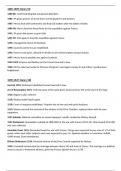
1485-1509: Henry VII
1485-86: Confirmed Kingship and passed attainders.
1485: JPs given powers of arrest that covered poachers and hunters.
1487: Met to deal with lawlessness and financial matters after the Battle of Stoke.
1489-90: Met to fund the Royal Army for the expedition against France.
1491: JPs given the power to grant bail.
1491-92: Met again to fund the expedition against France.
1495: Managed the threat of Warbeck.
1495: Council Learned in Law established.
1495: Power to vet juries, allowed to decide on all criminal matters except murder.
1497: Met to fund a possible war against Scotland.
1503-1509: Empson and Dudley run the Council Learned in Law.
1504: Met to raise two levies for Princess Margaret’s marriage to James IV and Arthur’s posthumous
knighthood.
1509-1547: Henry VIII
Jan-Feb 1510: Parliament abolished Council Learned in Law.
Act of Resumption 1515: restored some of the lands given away by Henry VIII at the start of his reign.
1516: Begins to plan reforms.
1518: Wolsey made Papal Legate.
1518: Court of requests established - Popular due to low cost and quick decisions.
1519: Wolsey secured the removal of the minions in the Privy Chamber, replaced them with his own
supporters.
1523 Subsidy: National committee to assess taxpayers’ wealth, headed by Wolsey himself.
1523 Parliament: demanded a subsidy of £800,000 for the war with France (1522-25). Only around £150,000
was ever collected.
Amicable Grant 1525: Demanded funds for war with France. Clergy were expected to pay a tax of 1/3 of their
goods, while most other subjects were only expected to pay 1/6. Sparked rebellion in Lavenham, Suffolk,
4,000 strong. Grant abandoned.
Eltham Ordinances 1526: Financial reforms of the Privy Council organised by Wolsey.
1539: Cromwell orchestrates the marriage between Henry VIII and Anne of Cleves. The marriage is a political
move to secure a Protestant alliance, given the Franco-Spanish truce in 1538.
1485-86: Confirmed Kingship and passed attainders.
1485: JPs given powers of arrest that covered poachers and hunters.
1487: Met to deal with lawlessness and financial matters after the Battle of Stoke.
1489-90: Met to fund the Royal Army for the expedition against France.
1491: JPs given the power to grant bail.
1491-92: Met again to fund the expedition against France.
1495: Managed the threat of Warbeck.
1495: Council Learned in Law established.
1495: Power to vet juries, allowed to decide on all criminal matters except murder.
1497: Met to fund a possible war against Scotland.
1503-1509: Empson and Dudley run the Council Learned in Law.
1504: Met to raise two levies for Princess Margaret’s marriage to James IV and Arthur’s posthumous
knighthood.
1509-1547: Henry VIII
Jan-Feb 1510: Parliament abolished Council Learned in Law.
Act of Resumption 1515: restored some of the lands given away by Henry VIII at the start of his reign.
1516: Begins to plan reforms.
1518: Wolsey made Papal Legate.
1518: Court of requests established - Popular due to low cost and quick decisions.
1519: Wolsey secured the removal of the minions in the Privy Chamber, replaced them with his own
supporters.
1523 Subsidy: National committee to assess taxpayers’ wealth, headed by Wolsey himself.
1523 Parliament: demanded a subsidy of £800,000 for the war with France (1522-25). Only around £150,000
was ever collected.
Amicable Grant 1525: Demanded funds for war with France. Clergy were expected to pay a tax of 1/3 of their
goods, while most other subjects were only expected to pay 1/6. Sparked rebellion in Lavenham, Suffolk,
4,000 strong. Grant abandoned.
Eltham Ordinances 1526: Financial reforms of the Privy Council organised by Wolsey.
1539: Cromwell orchestrates the marriage between Henry VIII and Anne of Cleves. The marriage is a political
move to secure a Protestant alliance, given the Franco-Spanish truce in 1538.