Biochemical aspects
Classification and definitions
• Introduction
- Large number of different components of food may cause adverse reactions
o Response of a person can differ widely depending on the type of response and the
component causing it
- Important to distinguish between different causes of adverse reactions
- Non-responses
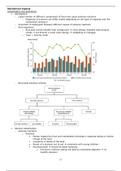
o Blue bars overall smaller than orange bars more allergy mistakes than product
recalls not directly a recall when allergy relabelling or message
o Toxic = directly recall
- Bruynzeel-Koomen scheme
• General classification
- Adverse reactions
o Aversion
▪ Person ingests the food and immediately develops a response lading to further
refusal of the food
▪ Caused by a dislike of the food
▪ Result of a decision not to eat commonly with young children
▪ Psychosomatic should be taken seriously
➢ Forcing to continue eating will lead to incomplete digestion no
healthy situation
77
, ▪ Symptoms upon ingestion like nausea, sickness and gastrointestinal
discomfort are psychosomatic
▪ Extreme manifestations: anorexia nervosa and bulimia nervosa
▪ Sometimes difficult to distinguish from toxic or intolerance responses
symptoms are similar
o Non-toxic response
▪ Allergy
➢ IgE mediated reactions are severe and immediate (Peanut allergy)
➢ Non IgE mediated (often not called allergy) reactions are delayed and
complex (Coeliac disease, reactions to cow milk)
▪ Intolerance
➢ Enzymatic
➢ Pharmacological
o Toxic response nightmare for food producer = immediately recall food
poisoning
▪ Important question: are you the only one who is reacting to this food? toxic
infection affects all people who eat
➢ Poisoning is food specific (rather than person specific)
▪ Ingestion of food causes a disease of a toxic or infectious nature
➢ Chemicals: residues of herbicides, fungicides, antimicrobial agents,
heavy metals, fertilizers
➢ Natural toxins: resulting from incomplete processing, spoiled raw
materials
➢ Bacterial infections: campylobacter contamination, salmonella
▪ Insecticides
➢ Used in production of fruit and vegetables food industry has
responsibility to monitor both the amount and identity of the
insecticide used prevent foods and vegetables that do not comply
and exceed threshold levels reach the consumers
➢ Exposure to residues is low: some insecticides are not toxic to humans
and do decompose rapidly in environment
▪ Heavy metals
➢ Lead, tin, copper and zinc due to improper packaging material or
storage containers
➢ Responsibility for food producer to prevent this by carefully monitoring
process equipment and quality of storage materials (especially when
storing acidic foods or beverages)
➢ Sometimes via primary process: cows eating grass contaminated with
mercury spoiled by near by factory
➢ Requires systematic and frequent monitoring
▪ Natural toxins, endogenous
➢ Incomplete processing natural toxins present in food can survive
and end up in finished products
➢ Relevant with plant foods may contain substantial amounts of
natural toxins (beans)
➢ Glycosides can release cyanide (potent toxin) upon storage/processing
or on contact with stomach acid lima beans contain this (especially
the wild varieties)
▪ Natural toxins, exogenous
➢ As result of contamination by bacteria, moulds (mycotoxins), algae and
insects produce chemicals
➢ Toxins originates from algae that accumulate in seafood
78
,• Non-toxic reactions related to individual rather than the food
- Allergy
o IgE mediated and non-IgE mediated both are different in terms of severity and
immediacy of the reaction
▪ IgE: more immediate and more severe (on shot term) than non-IgE
▪ Is in both cases the recognition by immune system that starts adverse
response
o Reaction can be immediate and severe indicative of IgE mediated reaction
o Reaction can also remain hidden for many years difficult to diagnose (celiac
disease) non IgE
▪ Offending gluten protein directly binds to T cellstriggering immune response
o Major allergens
o Main/major allergens
▪ Typically affects a lot of people (thousands) large groups of population
have to avoid
▪ Legislation regulated have to be labelled
o Minor allergens
▪ Typically affects less people (hundred)
o People can become allergic for everything
▪ Exposure to components (probably) will cause an allergic reaction
o Incidence
▪ Product should at least contain what is on the label
▪ 30% op people think they have to avoid some type of food
➢ Often not related to allergy
▪ Significant number of people is choosing its daily diet with aim to avoid
adverse reactions challenge for food industry: provide maximal
opportunities for selection
79
, - Intolerance
o Enzymic reactions
▪ Related to absence or lack of metabolic enzymes
➢ Lactase deficiency (lactose glucose + galactose) lactose not
converted and remains present in intestine metabolized by MO
organic acids and gasses diarrhoea, pain and bloating
❖ Deficiency starts to develop from age of 5
❖ Primary: absent as congenital characteristic
❖ Secondary: related to damage of lactase producing cells
because of inflammation
➢ G6-PDH deficiency (Favism) enzyme helps to protect against
oxidation people that eat fava beans (contains extremely toxic
molecules for blood cells) enzyme not available blood cells break
up haemolytic anemia
▪ Acquired: gut related disease/medication which is affecting that
(chemotherapy) result in lack of enzymes
o Pharmacological
▪ Caffeine
▪ Histamine, tyramine
▪ Capsaicin
▪ Ethanol/alcohol
▪ Compounds causing pharmacological reactions
80
Classification and definitions
• Introduction
- Large number of different components of food may cause adverse reactions
o Response of a person can differ widely depending on the type of response and the
component causing it
- Important to distinguish between different causes of adverse reactions
- Non-responses
o Blue bars overall smaller than orange bars more allergy mistakes than product
recalls not directly a recall when allergy relabelling or message
o Toxic = directly recall
- Bruynzeel-Koomen scheme
• General classification
- Adverse reactions
o Aversion
▪ Person ingests the food and immediately develops a response lading to further
refusal of the food
▪ Caused by a dislike of the food
▪ Result of a decision not to eat commonly with young children
▪ Psychosomatic should be taken seriously
➢ Forcing to continue eating will lead to incomplete digestion no
healthy situation
77
, ▪ Symptoms upon ingestion like nausea, sickness and gastrointestinal
discomfort are psychosomatic
▪ Extreme manifestations: anorexia nervosa and bulimia nervosa
▪ Sometimes difficult to distinguish from toxic or intolerance responses
symptoms are similar
o Non-toxic response
▪ Allergy
➢ IgE mediated reactions are severe and immediate (Peanut allergy)
➢ Non IgE mediated (often not called allergy) reactions are delayed and
complex (Coeliac disease, reactions to cow milk)
▪ Intolerance
➢ Enzymatic
➢ Pharmacological
o Toxic response nightmare for food producer = immediately recall food
poisoning
▪ Important question: are you the only one who is reacting to this food? toxic
infection affects all people who eat
➢ Poisoning is food specific (rather than person specific)
▪ Ingestion of food causes a disease of a toxic or infectious nature
➢ Chemicals: residues of herbicides, fungicides, antimicrobial agents,
heavy metals, fertilizers
➢ Natural toxins: resulting from incomplete processing, spoiled raw
materials
➢ Bacterial infections: campylobacter contamination, salmonella
▪ Insecticides
➢ Used in production of fruit and vegetables food industry has
responsibility to monitor both the amount and identity of the
insecticide used prevent foods and vegetables that do not comply
and exceed threshold levels reach the consumers
➢ Exposure to residues is low: some insecticides are not toxic to humans
and do decompose rapidly in environment
▪ Heavy metals
➢ Lead, tin, copper and zinc due to improper packaging material or
storage containers
➢ Responsibility for food producer to prevent this by carefully monitoring
process equipment and quality of storage materials (especially when
storing acidic foods or beverages)
➢ Sometimes via primary process: cows eating grass contaminated with
mercury spoiled by near by factory
➢ Requires systematic and frequent monitoring
▪ Natural toxins, endogenous
➢ Incomplete processing natural toxins present in food can survive
and end up in finished products
➢ Relevant with plant foods may contain substantial amounts of
natural toxins (beans)
➢ Glycosides can release cyanide (potent toxin) upon storage/processing
or on contact with stomach acid lima beans contain this (especially
the wild varieties)
▪ Natural toxins, exogenous
➢ As result of contamination by bacteria, moulds (mycotoxins), algae and
insects produce chemicals
➢ Toxins originates from algae that accumulate in seafood
78
,• Non-toxic reactions related to individual rather than the food
- Allergy
o IgE mediated and non-IgE mediated both are different in terms of severity and
immediacy of the reaction
▪ IgE: more immediate and more severe (on shot term) than non-IgE
▪ Is in both cases the recognition by immune system that starts adverse
response
o Reaction can be immediate and severe indicative of IgE mediated reaction
o Reaction can also remain hidden for many years difficult to diagnose (celiac
disease) non IgE
▪ Offending gluten protein directly binds to T cellstriggering immune response
o Major allergens
o Main/major allergens
▪ Typically affects a lot of people (thousands) large groups of population
have to avoid
▪ Legislation regulated have to be labelled
o Minor allergens
▪ Typically affects less people (hundred)
o People can become allergic for everything
▪ Exposure to components (probably) will cause an allergic reaction
o Incidence
▪ Product should at least contain what is on the label
▪ 30% op people think they have to avoid some type of food
➢ Often not related to allergy
▪ Significant number of people is choosing its daily diet with aim to avoid
adverse reactions challenge for food industry: provide maximal
opportunities for selection
79
, - Intolerance
o Enzymic reactions
▪ Related to absence or lack of metabolic enzymes
➢ Lactase deficiency (lactose glucose + galactose) lactose not
converted and remains present in intestine metabolized by MO
organic acids and gasses diarrhoea, pain and bloating
❖ Deficiency starts to develop from age of 5
❖ Primary: absent as congenital characteristic
❖ Secondary: related to damage of lactase producing cells
because of inflammation
➢ G6-PDH deficiency (Favism) enzyme helps to protect against
oxidation people that eat fava beans (contains extremely toxic
molecules for blood cells) enzyme not available blood cells break
up haemolytic anemia
▪ Acquired: gut related disease/medication which is affecting that
(chemotherapy) result in lack of enzymes
o Pharmacological
▪ Caffeine
▪ Histamine, tyramine
▪ Capsaicin
▪ Ethanol/alcohol
▪ Compounds causing pharmacological reactions
80