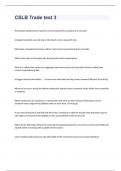
NURS 6531 FINAL EXAM STUDY GUIDE- Updated 01/2021
NURS 6531 FINAL EXAM STUDY GUIDE- Updated 01/2021 1. Hydrocele Definition: smooth, tense scrotal mass. accumulation of fluid within the tunica vaginalis surrounding the testicle; it may result from a patent processus vaginalis at birth and sometimes closes spontaneously within the first 1 to 2 years of life. Hydroceles are the most common cause of painless scrotal swelling.; in adults often the result of trauma, hernia, testicular tumor, torsion, or a complication of epididymitis. If present in man 30, may be secondary to a testicular tumor (red flag) Presenting Symptoms: Usually painless and may be present for long periods, partially resolve, and recur. Gradual enlargement of the scrotum occurs with marked edema, which may be uncomfortable d/t added weight. May occur secondary to a tumor when excess serous fluid accumulates in the scrotal sac. It will transilluminate but may make testicular palpation difficult. Leik Review: More common in infants. Serous fluid collects inside the tunica vaginalis. During scrotal exam, hydroceles are located superiorly and anterior to the testes and most are asymptomatic. If new-onset hydrocele in an adult or enlarging hydrocele, order scrotal ultrasound and refer to urologist. Differential Diagnoses: Epididymitis, Testicular torsion, epididymal cyst Review questions: 1. A patient who has had a swollen, nontender scrotum for one week is found to have a mass within the tunica vaginalis that transilluminates readily. The family nurse practitioner suspects: a.) a hydrocele. b.) a varicocele. c.) an indirect inguinal hernia. d.) carcinoma of the testis. 2.) Kidney Failure Acute Kidney Injury: (AKI) is potentially reversible kidney injury but can progress to failure. Defined as an increase in serum creatinine of 0.3 mg/dl over 48 hours, or an increase in Sr Creatinine to 1.5 (or 50% above baseline) times baseline over the past 7 days, or a urine volume output of 0.5ml/kg/hr for 6 hours. 3 classes as shown in table 131.4 on page 786. GFR: the higher the better the kidneys are working Uremia: s/s seen in severe AKI or ESKD and includes n/v, anorexia, fatigue, lethargy, confusion Azotemia: the lab finding of elevated SR urea (aka BUN in the usa) Pre-renal azotemia: an elevation of sr urea in the absence of an elevation in creatinine that is specifically d/t poor renal perfusion Prerenal: Occur upstream of the kidneys: d/t getting blood to the kidneys; dehydration, heart failure, liver failure Can be caused by diuretics, ACE/ARB, NSAID, calcineurin inhibitors Intrarenal: within the kidney; intrinsic renovascular disease (hypertensive emergency, small vessel vasculitis, TTP/HUS), Glomerular Disease (post- infectious glomerulonephritis), Tubulointerstitial disease (AC tubular necrosis which is caused by sepsis, meds, contrast, rhabdo, prolonged AKI, ac interstitial nephritis) Meds: Aminoglycosides, cisplatin, tenofovir, beta-lactams, vanco, Bactrim, NSAIDs, acyclovir, methotrexate Postrenal: impaired urine drainage: obstruction: Ureteral obstruction (usually required bilateral), Neurogenic bladder (cannot generate contractions to empty bladder fully), UTI, Medications, BPH Meds: opiates, decongestants, antihistamines, antiemetics, SSRI Chronic Kidney Disease: (CKD): abnormalities in the kidney function for 3 months with health implications. Chronic Kidney failure (ESRD or Stage 5 CKD): The absence of kidney function. Characterized by anuria and the need for renal replacement therapy or kidney transplant. The kidneys and urinary tract system no longer filter blood, create filtrate, or excrete urine in amounts sufficient to clear waste and balance fluid intake with output. Key highlights: Proteinuria or hematuria, and /or a reduction in the GFR, for 3 months. The most common causes are diabetes mellitus (#1) and HTN, therefor monitor for kidney function in these patients. Most people are asymptomatic and the diagnosis is determined only by laboratory studies. Differential diagnosis: obstructive uropathy, nephrotic syndrome, glomerulonephritis Presentation: AKI and CKD have very few symptoms early on. Diagnostics: GFR and SR Creat first thing in the morning, or a random urine sample to assess for Albuminuria Hallmark of AKI and CKD: ¯GFR, SR Creatinine, albumin in urine Imaging: Renal US to evaluate presence of obstruction, bladder US to evaluate PVR, Renal biopsy for glomerular disease diagnosis. Pharmacologic Mngt: Remove sources of nephrotoxins (contrast/drugs), and manage fluids to avoid over/underhydration. Early recognition/treatment of electrolyte imbalances, especially hyperkalemia. Mngt includes control of HTN (130/80), ¯proteinuria with diet. ACE inhibitors are recommended to slow progression of CKD. Treat acidosis with supplemental bicarbonate and attaining glycemic control (A1c 7 and increases to 8.5 in older and ill adults) also associated with slowing CKD progression. Non-Pharmacologic: Protein diet restriction (0.6-0.8 g/kg/day), smoking cessation. Referral to nephrologist. Replace calcium and vitamin d when necessary. Manage lipids. Incontinence: • Stress Incont: Leakage of urine with any maneuvers that increase intra- Abd. Pressure o Nonpharmacy Treatment: Behavioral therapies (timed or double voiding, smoking cessation, wt. loss, pelvic muscle exercise with or w/o PT, pessary, bowel management; Pharm: alpha adrenergic agonists, tricyclic antidep., estrogen; Surgical: injectables, bladder neck suspensions, slings, artificial sphincters • Urge Incont.: Sudden uncontrollable sensation to void that leads to incontinence. Most common in older adults o Nonpharmacy: bladder training, scheduled voiding, bladder irritant minimization, urge suppression; Pharm: anticholinergic- antimuscarinics, vaginal estrogen; Surg: neuro-sacral modulation, bladder augmentation, botulinum toxin injections • Mixed: Combo of both stress and urge • Overflow Incont: incomplete emptying of urine often results in passive loss of small amounts of urine when bladder pressures elevate and bladder fills beyond capacity. o Nonpharmacy: Timed or double voiding, intermittent Cath, pessary; Pharm: alpha blockers, 5a-reductase inhibitors; Surg: relieve obstruction or strictures or reduce prolapse • Diagnostics: UA to r/o hematuria, pyuria, glucosuria, proteinuria and a urine culture to exclude UTI if suspected, BUN and creat if renal function is suspected to be compromised; and PVR if suspect incomplete emptying 3.) Acute tubular necrosis Definition: reversible or irreversible type of renal failure caused by ischemic or toxic injury to renal tubular epithelial cells. Injury results in cell death or detachment from the basement membrane causing tubular dysfunction. A history of hypotension, fluid depletion, or exposure to nephrotic agents is usually present. In otherwise healthy individuals, when the underlying insult is corrected, the pt frequently has a good outcome with complete renal recovery. Differential diagnosis -Prerenal azotemia, intrinsic renal azotemia Treatment Options: no specific treatment apart from supportive care in maintaining volume status and controlling electrolyte and acid-base abnormalities. Nephrotoxins should be ceased or if this is not possible, dose should be decreased. Review questions: 1. A client had excessive blood loss and prolonged hypotension during surgery. His postoperative urine output is sharply decreased, and his blood urea nitrogen (BUN) is elevated. The most likely cause for the change is acute: A) Prerenal inflammation Bladder outlet obstruction C) Tubular necrosis D) Intrarenal nephrotoxicity 2. Which of the following is a sign or symptom of acute tubular necrosis (acute kidney injury)? answer-Thirst and increased rapid pulse. symptoms can vary depending on severity. and one may have- problems waking up, feeling drowsy even during day time, feeling lethargic or physically drained, being excessively thirsty or experiencing dehydration, urinating very little or not at all, retaining fluid or swelling in body, episodes of confusion and nausea and vomiting 4. Indirect inguinal hernia Definition: caused by a birth defect in the abdominal wall. A scrotal- inguinal hernia results when a segment of the bowel slips through the internal inguinal ring, where it may remain in the inguinal canal or pass into the scrotal sac. An inguinal hernia may occur as a result of a defect in the anterior abdominal wall or because of a patent process vaginalis. Inguinal hernias predominantly affect men (9:1) and have the highest incidence in men aged 40 to 59. Hernia may move freely between the abdomen and the scrotum or can be spontaneously reduced by digital manipulation. When a hernia becomes strangulated or is unreducible, this compromises the blood supply and requires emergent surgical reduction. Strangulation should be suspected when a tender mass is palpated in the scrotum in addition to redness, nausea, and vomiting Presenting Symptoms: Scrotal swelling, mild to mod pain on straining, scrotal heaviness, and possible presence of a bulge. Increased edema after standing but decreases when recumbent. Differential Diagnoses: undescended testis, lymphadenopathy, femoral hernia Pattern Recognition: Enlarged hemi-scrotum or a bulge in the groin area that may spontaneously reduce when supine or with manual reduction. The provider will not be able to move the fingers above the mass, which should be soft and mushy but painless unless it is incarcerated and ischemic. Does not transilluminate. Auscultation of bowel sounds over the mass is significant for the diagnosis of bowel in the scrotal sac. Treatment options: If reducible, surgical referral for possible future repair is indicated. Difficulty in reducing a hernia is cause for urgent surgical intervention. Pain may indicate incarceration of the bowel or complete inability to reduce the hernia, which is cause for immediate ED referral and surgical exploration. Review questions: 1. Mr. S. comes to you with scrotal pain. The examinations of his scrotum, penis, and rectum are normal. Which of the following conditions outside of the scrotum may present as scrotal pain? A. Inguinal herniation and peritonitis B. Renal colic and cardiac ischemia C. Pancreatitis and Crohn’s disease D. Polyarteritis nodosa and ulcerative colitis A: Conditions outside of the scrotum that may present with scrotal pain are abdominal aortic aneurysm, inguinal herniation, pancreatitis, renal colic, peritonitis, intraperitoneal hemorrhage, and polyarteritis nodosa. Any pt with scrotal pain should be considered to have testicular torsion until ruled out, especially neonate and adolescents. 2. The most common type of hernia is a(n): A. indirect inguinal hernia. B. direct inguinal hernia. C. femoral hernia. D. umbilical hernia. A: The most common type of hernia affecting all ages and genders. The point of origin is above the inguinal ligament and travels into the scrotum. A direct inguinal hernia is less common and usually occurs 40. point of origin is above the inguinal ligament and rarely travels into the scrotum. The femoral hernia is least common and more in women. The point of origin is below the inguinal ligament and never travels into the scrotum in men. An umbilical hernia occurs more frequently in infants and is a protrusion of part of the intestine at the umbilicus. 3. Max, age 70, is obese. He is complaining of a bulge in his groin that has been there for months. He states that it is not painful, but it is annoying. You note that the origin of swelling is above the inguinal ligament directly behind and through the external ring. You diagnose this as a(n): A. indirect inguinal hernia. B. direct inguinal hernia. C. femoral hernia. D. strangulated hernia. B: A direct inguinal hernia usually occurs in middle-aged to older men d/t an acquired weakness caused by heavy lifting, obesity, or COPD. The origin of swelling is above the inguinal ligament directly behind and through the external ring. An indirect inguinal hernia is congenital or acquired and is more common in infants younger than 1 year of age and in men ages 16 – 25. The origin of swelling is above the inguinal ligament. The hernia sac enters the canal at the internal ring and exits at the external ring. A femoral hernia occurs more frequently in women, is acquired and results from an increase in abdominal pressure and muscle weakness. The origin of swelling is below the inguinal ligament. Because Max has no pain and the condition has been this way for months, the hernia is not strangulated. A strangulated hernia, (immediate referral to a surgeon), results in no blood supply to the affected bowel and causes n/v, and tenderness. 5. Orchitis Definition: a systemic, blood-borne infection that results in an acute inflammation of one or both testicles. It may coexist with infections of the prostate and epididymis; causes – viral infection (ex. Mumps), C. trachomatis and N. gonorrhoeae in adolescents, E. coli – men, complication of syphilis, mycobacterial, fungal; hydrocele and scrotal wall thickening may be seen as a complication of mumps Presentation: Gradual onset of ac. or mod pain, testicular swelling & fever. Possible hydrocele and scrotal wall thickening. Differential Diagnoses: epididymitis, testicular tumor, hernia, testicular torsion Pattern Recognition: Testicular edema may be so pronounced that it is difficult to distinguish the testes from the epididymis. Palpation may reveal swollen, very tense testes that are painful, and he may be febrile. Inflammation of the testis usually involves systemic viral infections (commonly mumps) and includes unilateral or bilateral erythema, edema, and scrotal tenderness, which occurs 4 to 7 days after initial fever. Diagnostics: Doppler US shows heterogenous hypoechoicity Treatment options: Anti-infective therapy is recommended, with guidance by local sensitivity reports. The following antibiotic regimens are effective against the most common causes of epididymitis: single-dose ceftriaxone given intramuscularly (IM), 250 to 500 mg, and doxycycline, 100 mg twice daily for 10 days for men younger than 35 years; in men older than 35 years, levofloxacin (given intravenously [IV] or orally [PO]), 500 to 750 mg/day, or ciprofloxacin, 500 mg (IV or PO), for 10 to 14 days. Antipyretics should be used to reduce discomfort and fever, and an anti-inflammatory agent should be prescribed. An antiemetic can also be prescribed for nausea and vomiting. Hot or cold compresses. Complications: Infertility Review questions: A 35-year-old sexually active man presents with a 1-week history of fever and pain over the left scrotum. It is accompanied by frequency and dysuria. The scrotum is edematous and tender to touch. He denies flank pain, nausea, and vomiting. He reports that eh pain is lessened when he uses scrotal- support briefs. The urinalysis shows 2 + blood and a large number of leukocytes. What is the most likely diagnosis? A. Acute UTI B. Acute pyelonephritis C. Acute orthitis D. Acute epididymitis ** Orchitis is caused by which of the following? A. Mumps virus ** B. Measles virus C. Chlamydia trachomatis D. Chronic UTI not treated adequately A 10-year-old boy complains of sudden onset of scrotal pain upon awakening that morning. He is also complaining of severe nausea and vomiting. During the physical examination, the nurse practitioner finds a tender, warm, and swollen left scrotum. The cremastic reflex is negative and the urine dipstick is negative for leukocytes, nitrites, and blood. The most likely diagnosis is: A. Acute epididymitis B. Severe salmonella infection C. Testicular torsion ** D. Acute orchitis What type of follow up should this patient receive? A. Refer to a urologist within 48 hours B. Refer him to the emergency department as soon as possible **
Written for
- Institution
- NURS 6531
- Course
- NURS 6531
Document information
- Uploaded on
- March 22, 2024
- Number of pages
- 165
- Written in
- 2023/2024
- Type
- Exam (elaborations)
- Contains
- Questions & answers
Subjects
-
nurs 6531 final exam study guide updated 012021