Law of Tort
28th September 2022
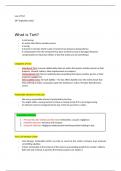
What is Tort?
- A civil wrong
- An action that affects another person
- A wrong
- A branch of civil law which is part of common law based on jurisprudence.
- It compensates A for the wrong of B has done to them by way of damages (financial
compensation) or injunction (Order of law that makes you do something.)
Categories of Tort:
- Intentional Tort: A person deliberately takes an action that injures another person or their
property. (Assault, battery, false imprisonment or trespass.)
- Unintentional Tort: Person recklessly does something that injures another person or their
property (negligence.)
- Strict Liability Torts: No fault liability – the law affixes liability once the victim shows that
they suffered an injury consequent upon the tortfeasor’s action. (Product defectiveness
cases.)
Protectable Interests in Tort Law:
- Not every conceivable interest is protected by tort law.
- You might suffer a wrong and yet not have a remedy at law if it is not a legal wrong.
- An interest must be recognised by the law of tort to succeed in a claim.
Protectable Interests:
1. Personal Security of body and the mind: Defamation, assault, negligence.
2. Propriety Interests: Nuisance and Trespass
3. Economic interests: Negligent misplacement/misinterpretation leading to loss.
Tort: Civil wrong V Crime:
- Civil Wrongs: Actionable (victim can take to court) at the victim’s instance (e.g) someone
committing adultery.
- Crimes: Actionable at the instance of the state (e.g) exceeding speed limit, murder, robbery.
- Both civil and criminal: A punches B (criminal assault, tort, battery.)
28th September 2022
What is Tort?
- A civil wrong
- An action that affects another person
- A wrong
- A branch of civil law which is part of common law based on jurisprudence.
- It compensates A for the wrong of B has done to them by way of damages (financial
compensation) or injunction (Order of law that makes you do something.)
Categories of Tort:
- Intentional Tort: A person deliberately takes an action that injures another person or their
property. (Assault, battery, false imprisonment or trespass.)
- Unintentional Tort: Person recklessly does something that injures another person or their
property (negligence.)
- Strict Liability Torts: No fault liability – the law affixes liability once the victim shows that
they suffered an injury consequent upon the tortfeasor’s action. (Product defectiveness
cases.)
Protectable Interests in Tort Law:
- Not every conceivable interest is protected by tort law.
- You might suffer a wrong and yet not have a remedy at law if it is not a legal wrong.
- An interest must be recognised by the law of tort to succeed in a claim.
Protectable Interests:
1. Personal Security of body and the mind: Defamation, assault, negligence.
2. Propriety Interests: Nuisance and Trespass
3. Economic interests: Negligent misplacement/misinterpretation leading to loss.
Tort: Civil wrong V Crime:
- Civil Wrongs: Actionable (victim can take to court) at the victim’s instance (e.g) someone
committing adultery.
- Crimes: Actionable at the instance of the state (e.g) exceeding speed limit, murder, robbery.
- Both civil and criminal: A punches B (criminal assault, tort, battery.)