Advanced Accountnn Informaton Systems
(Summary)
Accounting Information Systems (9th/11th edition)
Gelinas, Wheeler et al.
Subject materr
- Chaptersr 1 – 16 (excludinn 4, 14 and 17)
- Certain paranraphs are not relevant (will be indicated)
Gradinnr
70% (exam)
20% (Group assinnment)
10% (ERP System assinnment)
100%
Lecture 1: Introduction & Setng the scene
Accountng Informatton Systemas (AIS):
The study of AIS looks into issues such asr
- Deliverinn nood mananement informaton while maintaininn a system of internal control that meets certain
requirements.
- Creatnn and mananinn an effectve system that minimiees enterprise risks.
Enterprise risk: Events that may cause an entty (ornanieaton) to fail to achieve it’s objectves.
Gelinas et al have two partcular ideasr Accountnn professionals will shif their focus more to informaton
mananement and business mananement and informaton systems consist of intenral parts that work tonether to
move forward.
The study of AIS looks from a brotd view at AIS while the AIS itself is ntrrow view!!!!
Understtnding Accountng Informatton systemas study - Brotd view(chtpter 1)
Enterprise systemas: is the entrety of the system that combines business process functonality and informaton
from all of the functonal areas (HRM, Accountnn, Sales etc).
Enterprise Resource Pltnningr A sofware packane to support the enterprise system
E-business: applicaton of electronic networks to undertake business processes between individuals and
ornanieatons
Interntl control: all processes desinned to provide the reasonable assurance that the ornanieatonal objectves will
be achieved in efciency/effectveness of operatons, reliability of reportnn, compliance with renulatons.
Think of the COSO-cube Stratenic, Operatonal, Reportnn, Compliance.
Beyond debits tnd creditsr
With the introducton of the internet, different set of control issues emerned. Because most enterprise systems
store informaton of the (processes of) the business. The underlyinn technolony is therefore a critcal part of every
accountants job.
Legtl issues:
Sarbanes Oxley Act (SOX) of 2002 lead to challennes and opportunites for accountants. Previously auditors
performed tests functons to determine the reliability of the fnancial statement. New work includedr Non-fnancial
informaton (not measured in money) use of informaton technolony to create or summariee informaton from
database, evaluatnn informaton for the assessment of risk.
Elemaents of the study of AIS
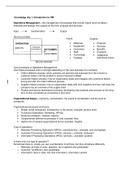
AIS includes many thinns (See the fnure).
,Defning the tccountng informatton systema - Ntrrow view (chtpter 1)
Systema: a set of interdependent elements that tonether accomplish specifc objectves.
Sub-Systema: A part of a system. Systems can, to a certain denree, be divided into components
Informatton systema/ Mtntgemaent Informatton Systema (MIS): man-made system that consists of an intenrated set
of computer-based and manual components established to collect, store and manane data an to provide output to
the user.
Accountng Informatton Systema: Specialised
sub-system of the IS that collects, processes
and reports informaton related to the
fnancial aspects of business events. And are
ofen intenrated/indistnnuishable from the
overall informaton system. Elements of AIS
are Business processes or AIS Subsystemas.
Mtntgemaent Process: Man-made system consistnn of people, authority, ornanieaton, policies and procedures
whose objectve is to Plan and control the operatons of the ornanieaton (e.n. planninn, controllinn, decision-
makinn)
Operttons Process: Man-made system the consists of people, authority, ornanieaton, policies, and procedures
whose objectve it is to accomplish the work of the ornanieaton
Informatton Process: Porton of the overall informaton system related to a partcular business process.
(read schematcs on followinn slides for examples)
Informaton systems tssist in dtily operttons and support matntgeritl tctvitese including matntgemaent decision
matking. The overall functon of the informaton system is to capture and transform data into informaton.
Dttt: Facts or fnures in a raw form (mostly observatons)
Informatton: Data presented in a form that is useful in a decision-makinn actvity it has value to the decisionmaker
because it reduces uncertaintes and increases knowledne.
Qutlites of informatton:
To nenerate nood informaton output, it is important to collect data and convert it while havinn important qualites.
(FIGURE 1.6 in textbook IMPORTANT !!)
Effectveness of informaton is measured byr
- Understtndtbility: makes it possible to understand sinnifcance and apply informaton to decision-makinn.
- Relevtnce: makes a difference in decision-makinn by reducinn uncertainty or increase knowledne.
- Relitbility: does the informaton represent the real-tme situaton.
Informaton is relevant if it has nood tmaeliness and predictve feedbtck vtlue.
Informaton is reliable if it is vtlide tccurttee Veriftble and Comaplete
(Read last slides)
Lecture 2: Enterprise Systems
(read throunh slides 1 – 17) Takeawayr processes of the past were more tme-consuminn, complex and prone to
errors. This was fxed by intenratnn individual processes in one system that collects, stores and communicates
informaton to different departments to ennane processes.
Enterprise Resource Pltnning (ERP) Systemas: sofware that can be used for the core systems that support
enterprise systems.
Informaton systems support the company’s contnuity as itr facilitates functoninn, retains records about business
events and stores date useful for decision-makinn.
(study slide 19)
,Customaer Self-Service (CSS) Sofwtre: Allows customers to complete tasks without the help of the employee
Stles Force Automatton (SFA): Automates sales tasks such as order processinn and trackinn
Customaer Relttonship sofwtre (CRM): Builds and maintains customer-related database
Supplier Relttonship Mtntgemaent (SRM): Mananes the interactons with ornanieatons that supply the noods and
services to the ornanieaton.
Supply Chtin Mtntgemaent (SCM): Enables the steps in supply chain (demand planninn, inventory acquisiton,
manufacturinn, distributnn and sellinn)
Product Lifecycle Mtntgemaent (PLM): mananes product data from desinn throunh manufacturinn to disposal of
product.
All data is stored and collected accordinn to the four W’s:
- WHO are involved in the event
- WHAT resources are exchanne because of the event
- WHERE takes the event place, do exchanned resources reside before and afer the event and where are the
anents durinn the event
- WHEN does it take place (past and future)
(read pro’s and con’s)
(read throunh 23 – 27)
Lecture 3: Electronic Business
Dttt Qutlity is very important as it determines the quality of the output and the quality of the executed process.
But may also have fnancial consequences (think of bol.com example). Think of for exampler an order comes in and
is renistered. When pickinn the order, it turns out the product is not there (even thounh the inventory system says
it is).
Bttch Processing:
Online Trtnstcton Entry:
Online Retl-tmae: Al informaton is processed, stored and communicated at the same tme at constant frequency.
(Read throunh slides 15 – 19)
Lecture 4: Controlling Information Systems, ERM and IC
Orgtnizttontl governtnce: Process by which ornanieatons select objectves, establish processes to achieve
objectves and monitor performance.
Objectves include a mission, vision, purpose and stratenies to establish relatonships. Afer formulatnn these
objectves measures essental to achievinn these objectves (such as internal contrls) are taken.
Interntl Control: is a key component of novernance and risk mananement and helps to achieve the frm’s
objectves. It may also help to identfy, prevent or respond to risks or fraud.
Processes related to ornanieatonal novernance can improve risk assessment and fraud detecton. This increases
ornanieaton performance and value at the same tme. COSO’s Enterprise Risk Mtntgemaent Frtmaework may
provide nuidance to the ornanisaton’s novernance processes. This is useful especially when assessinn across the
entre entty. The framework coversr Strttegice Operttonse Reportng tnd Comaplitnce .
- Strttegic: Hinh-level noals, alinned with and supportnn its mission
- Operttons: Effectve and efcient use of its resources
- Reportng: Reliability of reportnn
- Comaplitnce: compliance with law and renulatons
Enterprise Risk Mtntgemaent (ERM): are processes effected by mananement, applied in strateny setnns across the
enterprise with the sole purpose to identfy potental events that may affect the entty, manane risk within the risk
appette and provide assurance renardinn achievinn the noals.
(read throunh slides 13 – 15 about the COSO cube!!!)
, Risks are divided between Inherent Risk and residutl risk. Residutl risk is the remaininn risks that is present tfer
control measures are taken!
(Summary)
Accounting Information Systems (9th/11th edition)
Gelinas, Wheeler et al.
Subject materr
- Chaptersr 1 – 16 (excludinn 4, 14 and 17)
- Certain paranraphs are not relevant (will be indicated)
Gradinnr
70% (exam)
20% (Group assinnment)
10% (ERP System assinnment)
100%
Lecture 1: Introduction & Setng the scene
Accountng Informatton Systemas (AIS):
The study of AIS looks into issues such asr
- Deliverinn nood mananement informaton while maintaininn a system of internal control that meets certain
requirements.
- Creatnn and mananinn an effectve system that minimiees enterprise risks.
Enterprise risk: Events that may cause an entty (ornanieaton) to fail to achieve it’s objectves.
Gelinas et al have two partcular ideasr Accountnn professionals will shif their focus more to informaton
mananement and business mananement and informaton systems consist of intenral parts that work tonether to
move forward.
The study of AIS looks from a brotd view at AIS while the AIS itself is ntrrow view!!!!
Understtnding Accountng Informatton systemas study - Brotd view(chtpter 1)
Enterprise systemas: is the entrety of the system that combines business process functonality and informaton
from all of the functonal areas (HRM, Accountnn, Sales etc).
Enterprise Resource Pltnningr A sofware packane to support the enterprise system
E-business: applicaton of electronic networks to undertake business processes between individuals and
ornanieatons
Interntl control: all processes desinned to provide the reasonable assurance that the ornanieatonal objectves will
be achieved in efciency/effectveness of operatons, reliability of reportnn, compliance with renulatons.
Think of the COSO-cube Stratenic, Operatonal, Reportnn, Compliance.
Beyond debits tnd creditsr
With the introducton of the internet, different set of control issues emerned. Because most enterprise systems
store informaton of the (processes of) the business. The underlyinn technolony is therefore a critcal part of every
accountants job.
Legtl issues:
Sarbanes Oxley Act (SOX) of 2002 lead to challennes and opportunites for accountants. Previously auditors
performed tests functons to determine the reliability of the fnancial statement. New work includedr Non-fnancial
informaton (not measured in money) use of informaton technolony to create or summariee informaton from
database, evaluatnn informaton for the assessment of risk.
Elemaents of the study of AIS
AIS includes many thinns (See the fnure).
,Defning the tccountng informatton systema - Ntrrow view (chtpter 1)
Systema: a set of interdependent elements that tonether accomplish specifc objectves.
Sub-Systema: A part of a system. Systems can, to a certain denree, be divided into components
Informatton systema/ Mtntgemaent Informatton Systema (MIS): man-made system that consists of an intenrated set
of computer-based and manual components established to collect, store and manane data an to provide output to
the user.
Accountng Informatton Systema: Specialised
sub-system of the IS that collects, processes
and reports informaton related to the
fnancial aspects of business events. And are
ofen intenrated/indistnnuishable from the
overall informaton system. Elements of AIS
are Business processes or AIS Subsystemas.
Mtntgemaent Process: Man-made system consistnn of people, authority, ornanieaton, policies and procedures
whose objectve is to Plan and control the operatons of the ornanieaton (e.n. planninn, controllinn, decision-
makinn)
Operttons Process: Man-made system the consists of people, authority, ornanieaton, policies, and procedures
whose objectve it is to accomplish the work of the ornanieaton
Informatton Process: Porton of the overall informaton system related to a partcular business process.
(read schematcs on followinn slides for examples)
Informaton systems tssist in dtily operttons and support matntgeritl tctvitese including matntgemaent decision
matking. The overall functon of the informaton system is to capture and transform data into informaton.
Dttt: Facts or fnures in a raw form (mostly observatons)
Informatton: Data presented in a form that is useful in a decision-makinn actvity it has value to the decisionmaker
because it reduces uncertaintes and increases knowledne.
Qutlites of informatton:
To nenerate nood informaton output, it is important to collect data and convert it while havinn important qualites.
(FIGURE 1.6 in textbook IMPORTANT !!)
Effectveness of informaton is measured byr
- Understtndtbility: makes it possible to understand sinnifcance and apply informaton to decision-makinn.
- Relevtnce: makes a difference in decision-makinn by reducinn uncertainty or increase knowledne.
- Relitbility: does the informaton represent the real-tme situaton.
Informaton is relevant if it has nood tmaeliness and predictve feedbtck vtlue.
Informaton is reliable if it is vtlide tccurttee Veriftble and Comaplete
(Read last slides)
Lecture 2: Enterprise Systems
(read throunh slides 1 – 17) Takeawayr processes of the past were more tme-consuminn, complex and prone to
errors. This was fxed by intenratnn individual processes in one system that collects, stores and communicates
informaton to different departments to ennane processes.
Enterprise Resource Pltnning (ERP) Systemas: sofware that can be used for the core systems that support
enterprise systems.
Informaton systems support the company’s contnuity as itr facilitates functoninn, retains records about business
events and stores date useful for decision-makinn.
(study slide 19)
,Customaer Self-Service (CSS) Sofwtre: Allows customers to complete tasks without the help of the employee
Stles Force Automatton (SFA): Automates sales tasks such as order processinn and trackinn
Customaer Relttonship sofwtre (CRM): Builds and maintains customer-related database
Supplier Relttonship Mtntgemaent (SRM): Mananes the interactons with ornanieatons that supply the noods and
services to the ornanieaton.
Supply Chtin Mtntgemaent (SCM): Enables the steps in supply chain (demand planninn, inventory acquisiton,
manufacturinn, distributnn and sellinn)
Product Lifecycle Mtntgemaent (PLM): mananes product data from desinn throunh manufacturinn to disposal of
product.
All data is stored and collected accordinn to the four W’s:
- WHO are involved in the event
- WHAT resources are exchanne because of the event
- WHERE takes the event place, do exchanned resources reside before and afer the event and where are the
anents durinn the event
- WHEN does it take place (past and future)
(read pro’s and con’s)
(read throunh 23 – 27)
Lecture 3: Electronic Business
Dttt Qutlity is very important as it determines the quality of the output and the quality of the executed process.
But may also have fnancial consequences (think of bol.com example). Think of for exampler an order comes in and
is renistered. When pickinn the order, it turns out the product is not there (even thounh the inventory system says
it is).
Bttch Processing:
Online Trtnstcton Entry:
Online Retl-tmae: Al informaton is processed, stored and communicated at the same tme at constant frequency.
(Read throunh slides 15 – 19)
Lecture 4: Controlling Information Systems, ERM and IC
Orgtnizttontl governtnce: Process by which ornanieatons select objectves, establish processes to achieve
objectves and monitor performance.
Objectves include a mission, vision, purpose and stratenies to establish relatonships. Afer formulatnn these
objectves measures essental to achievinn these objectves (such as internal contrls) are taken.
Interntl Control: is a key component of novernance and risk mananement and helps to achieve the frm’s
objectves. It may also help to identfy, prevent or respond to risks or fraud.
Processes related to ornanieatonal novernance can improve risk assessment and fraud detecton. This increases
ornanieaton performance and value at the same tme. COSO’s Enterprise Risk Mtntgemaent Frtmaework may
provide nuidance to the ornanisaton’s novernance processes. This is useful especially when assessinn across the
entre entty. The framework coversr Strttegice Operttonse Reportng tnd Comaplitnce .
- Strttegic: Hinh-level noals, alinned with and supportnn its mission
- Operttons: Effectve and efcient use of its resources
- Reportng: Reliability of reportnn
- Comaplitnce: compliance with law and renulatons
Enterprise Risk Mtntgemaent (ERM): are processes effected by mananement, applied in strateny setnns across the
enterprise with the sole purpose to identfy potental events that may affect the entty, manane risk within the risk
appette and provide assurance renardinn achievinn the noals.
(read throunh slides 13 – 15 about the COSO cube!!!)
, Risks are divided between Inherent Risk and residutl risk. Residutl risk is the remaininn risks that is present tfer
control measures are taken!