Birds
Week 3
Chris Foster
.Feathers
- Feathered Dinosaurs = non-avian therapods [Raptors]
Feather Structure;
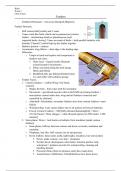
- Stiff central shaft [rachis] and 2 vanes
- Vanes comb-like barbs which can be pennaceous [contour
feather – interlocking detail] or plumulaceous [soft,
separated barbs- downy]. Vanes are made of barbs = hold parallel barbules with
hooklets [“hamuli”] which help zip the feather together.
- Barbless portion = calamus
- Asymmetric wing fathers = short edge is the leading edge.
- Β-Keratin;
o Unique to birds and reptiles and component in
feathers and claws.
1. Outer layer = largest keratin filaments
wound around 6 micrometres
2. Fibres run Inside along the shaft [mega
fibrils and fibrils]
3. Medulloid pith; gas filled polyhedral [inset
is a steel rebar with nodules] spongy
- Feather Types;
1. Contour feathers = visible [Wing/ Tail/ Body
contour]
o Shapes the bird – form outer shell for streamline
o Movement = specialised muscles when a bird fluffs up [raising feathers =
musculature control under skin, wing and tail feathers connected and
controlled by skeleton]
o Aftershaft/ Afterfeather; secondary feathers arise from contour feathers= same
follicle
o Waterproofing; water cannot adhere due to air pockets in between barbules.
o Fewest Contour Feathers = 940 [Ruby-throated hummingbird] // Most =
25,216 [Swan] // Most changes = white throated sparrow [2,500 winter/ 1,500
summer]
2. Semi-plume/ Down = lack hooks on barbules form insulation [under contour
feathers]
o Semi-plume; halfway between contour and down, no hooks, insulation and
courtship
o Filoplume; hair like/ stiff/ sensory for air and pressure.
o Down feathers; lacks rachis [soft], lightweight, insulation, line nests [eider]
Down; under contour, over skin = insulation
Powder down; disintegrates when bitten, found in patches, help
waterproof = produces powder for waterproofing, cleaning and
repelling parasite
Precocial chicks [born in advances state] have natal down
Anseriformes/ Galliformes/ Charadriiformes have dense down.
Week 3
Chris Foster
.Feathers
- Feathered Dinosaurs = non-avian therapods [Raptors]
Feather Structure;
- Stiff central shaft [rachis] and 2 vanes
- Vanes comb-like barbs which can be pennaceous [contour
feather – interlocking detail] or plumulaceous [soft,
separated barbs- downy]. Vanes are made of barbs = hold parallel barbules with
hooklets [“hamuli”] which help zip the feather together.
- Barbless portion = calamus
- Asymmetric wing fathers = short edge is the leading edge.
- Β-Keratin;
o Unique to birds and reptiles and component in
feathers and claws.
1. Outer layer = largest keratin filaments
wound around 6 micrometres
2. Fibres run Inside along the shaft [mega
fibrils and fibrils]
3. Medulloid pith; gas filled polyhedral [inset
is a steel rebar with nodules] spongy
- Feather Types;
1. Contour feathers = visible [Wing/ Tail/ Body
contour]
o Shapes the bird – form outer shell for streamline
o Movement = specialised muscles when a bird fluffs up [raising feathers =
musculature control under skin, wing and tail feathers connected and
controlled by skeleton]
o Aftershaft/ Afterfeather; secondary feathers arise from contour feathers= same
follicle
o Waterproofing; water cannot adhere due to air pockets in between barbules.
o Fewest Contour Feathers = 940 [Ruby-throated hummingbird] // Most =
25,216 [Swan] // Most changes = white throated sparrow [2,500 winter/ 1,500
summer]
2. Semi-plume/ Down = lack hooks on barbules form insulation [under contour
feathers]
o Semi-plume; halfway between contour and down, no hooks, insulation and
courtship
o Filoplume; hair like/ stiff/ sensory for air and pressure.
o Down feathers; lacks rachis [soft], lightweight, insulation, line nests [eider]
Down; under contour, over skin = insulation
Powder down; disintegrates when bitten, found in patches, help
waterproof = produces powder for waterproofing, cleaning and
repelling parasite
Precocial chicks [born in advances state] have natal down
Anseriformes/ Galliformes/ Charadriiformes have dense down.