Birds
Week 8
Chris Foster
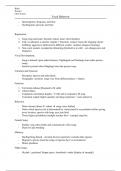
Vocal Behavior
- Spectrograms; frequency and time
- Oscillograms; pressure and time
Repertoires;
1. Song; long and loud// function; attract mate/ repel intruders
2. Call; vocalization is shorter/ simpler // Function; contact/ food call/ begging/ alarm/
mobbing/ aggressive [delivered in different combo/ variation changes meaning]
3. Non-vocal sounds; woodpecker drumming [distinctive to call] – can change pace and
frequency
Vocal Development;
- Song is learned/ open ended learners; Nightingale and Starlings learn other species
songs
- Sensitive period when fledglings learn the species song.
Variation and Function;
- Recognize species and individuals
- Geographic variation; songs vary from different places = dialect
Function;
1. Territorial defense [Respond to M calls]
2. Attract Mates
- Copulation solicitation display = F lifts tail in respond to M song
- Consistent output/ higher quantity and large repertoire = more attractive
Behavior;
- Dawn chorus [attract F/ calmer songs carry further]
- Order which species join is determined by vision [need to see predators before giving
away location, species with large eyes join first]
- Those higher up habitats [sunlight reaches first = canopy] sing first
Female Song;
- Similar/ sing when fertile and communicate with young
- Duets for pair bonding
Mimicry;
- Starling/Song thrush – develop diverse repertoire/ exclude other species
- Migratory species learn the songs of species they’ve encountered
- Mimic predators
Flight songs;
- Skylark / grassland/ Steppe specs/ shorebirds/ wader [display of strength]
Week 8
Chris Foster
Vocal Behavior
- Spectrograms; frequency and time
- Oscillograms; pressure and time
Repertoires;
1. Song; long and loud// function; attract mate/ repel intruders
2. Call; vocalization is shorter/ simpler // Function; contact/ food call/ begging/ alarm/
mobbing/ aggressive [delivered in different combo/ variation changes meaning]
3. Non-vocal sounds; woodpecker drumming [distinctive to call] – can change pace and
frequency
Vocal Development;
- Song is learned/ open ended learners; Nightingale and Starlings learn other species
songs
- Sensitive period when fledglings learn the species song.
Variation and Function;
- Recognize species and individuals
- Geographic variation; songs vary from different places = dialect
Function;
1. Territorial defense [Respond to M calls]
2. Attract Mates
- Copulation solicitation display = F lifts tail in respond to M song
- Consistent output/ higher quantity and large repertoire = more attractive
Behavior;
- Dawn chorus [attract F/ calmer songs carry further]
- Order which species join is determined by vision [need to see predators before giving
away location, species with large eyes join first]
- Those higher up habitats [sunlight reaches first = canopy] sing first
Female Song;
- Similar/ sing when fertile and communicate with young
- Duets for pair bonding
Mimicry;
- Starling/Song thrush – develop diverse repertoire/ exclude other species
- Migratory species learn the songs of species they’ve encountered
- Mimic predators
Flight songs;
- Skylark / grassland/ Steppe specs/ shorebirds/ wader [display of strength]