Cell death and adaptation
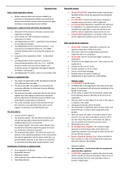
Cells adjust structure and function in response to changing demand and EC stress
Cellular adaptations: regulated/induced at any regulatory step
Cell injury=impaired/loss of normal cell function
Can be reversible/irreversible
Cellular injury- tissue level function-depends on the number of cells affected
Cell death:
Tissue:
Regenerative capacity and intact ECM
If ECM damaged- permanent damage and reduced function
Common causes of cellular injury:
● Ischemia
● Oxygen (hypoxia)
● Nutrients
● Trauma
● Chemical-toxins
● Inflammation
● Metabolic, genetic disorders
Cells susceptibility to injury depends on:
● Metabolic rate
● Position in the relation to arterial supply
Which cells are most susceptible to damage
● CNS neurones
● Renal tubules
● Zone 3 hepatocytes
Recognition of cell injury:
clinical
● Deranged tissue/organ function
● Leakage of membrane contents
Pathological:
Cells adjust structure and function in response to changing demand and EC stress
Cellular adaptations: regulated/induced at any regulatory step
Cell injury=impaired/loss of normal cell function
Can be reversible/irreversible
Cellular injury- tissue level function-depends on the number of cells affected
Cell death:
Tissue:
Regenerative capacity and intact ECM
If ECM damaged- permanent damage and reduced function
Common causes of cellular injury:
● Ischemia
● Oxygen (hypoxia)
● Nutrients
● Trauma
● Chemical-toxins
● Inflammation
● Metabolic, genetic disorders
Cells susceptibility to injury depends on:
● Metabolic rate
● Position in the relation to arterial supply
Which cells are most susceptible to damage
● CNS neurones
● Renal tubules
● Zone 3 hepatocytes
Recognition of cell injury:
clinical
● Deranged tissue/organ function
● Leakage of membrane contents
Pathological: