Oral Bio II Final Exam
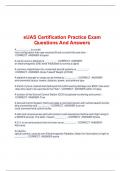
On the Harvard Healthy Eating Plate tool, which food group is represented in the largest quantity? A. Protein B. Grains C. Fruit D. Non-starchy vegetables D. Non-starchy vegetables Which vitamin is not a fat-soluble vitamin? A. Vitamin A B. Vitamin K C. Vitamin B12 D. Vitamin E C. Vitamin B12 Stores of which vitamin would become depleted most rapidly if not consumed regularly? A. Vitamin A B. Vitamin D C. Vitamin C D. Vitamin K C. Vitamin C Your patient informs you that they are following a vegetarian diet. Which two foods could you pair together to make a complete protein? A. Rice + corn B. Broccoli + tomatoes C. Black beans + onions D. Red beans + rice D. Red beans + rice Coconut oil is an example of what type of fat? A. Monounsaturated B. TransC. Saturated D. Polyunsaturated C. Saturated What are the three steps when chopping food to ensure safe preparation and even pieces? A. Mince, Dice, Chop B. Slabs, sticks cubes C. Peel, cut, slice D. Chop, slice, cube B. Slabs, sticks cubes What foods are major sources of vitamin C? A. Chicken B. Carrots C. Citrus Fruits D. Milk C. Citrus Fruits The Dietary Guidelines for Americans advises to limit added sugar intake to what? A. 3 teaspoons per day B. Zero grams of added sugar per day C. No limit for added sugar intake D. <10% of daily calories from added sugar per day D. <10% of daily calories from added sugar per day Which nutrient deficiency is not linked to increased risk of cleft palate/cleft lip? A. Protein B. Folic Acid C. Vitamin B12 D. Vitamin D D. Vitamin D Key considerations in nutrition and oral health in the elderly population include all except. A. Decreased ability to digest + absorb nutrients B. Decreased tolerance for hot and cold foods / beveragesC. Decreased salivary flow D. Decreased taste + smell B. Decreased tolerance for hot and cold foods / beverages Which factor does not contribute to the development of caries? A. plaque bacteria B. frequency of intake of carbohydrates C. having adequate vegetable intake D. intake of fermentable carbohydrates C. having adequate vegetable intake What is a dietary recommendation for reducing risk for periodontal disease? A. Follow a balanced diet, recommended by US dietary guidelines B. Take a vitamin C supplement C. Follow a low carbohydrate diet D. Limit polyunsaturated fats A. Follow a balanced diet, recommended by US dietary guidelines You notice your patient has angular, red cracks in the corner of their mouth. What nutrient comes to mind as possibly deficient? A. Calcium B. Vitamin C C. Vitamin K D. Niacin D. Niacin What are the physical signs of glossitis? A. White patches under the tongue B. Cracked lips C. Red beefy tongue D. Bleeding gums C. Red beefy tongue
Written for
- Institution
- Oral Bio
- Course
- Oral Bio
Document information
- Uploaded on
- February 15, 2024
- Number of pages
- 14
- Written in
- 2023/2024
- Type
- Exam (elaborations)
- Contains
- Questions & answers