Neurologic NCLEX Questions _ Prioritization and Delegation_TEACHER COPY.
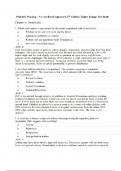
Neurologic NCLEX Questions _ Prioritization and Delegation_TEACHER COPY. 1. What is the priority nursing diagnosis for a client experiencing a migraine headache? o 1.Acute Pain related to biologic and chemical factors o 2.Anxiety related to change in or threat to health status o 3.Hopelessness related to deteriorating physiologic condition o 4.Risk for Injury related to side effects of medical therapy Ans: 1 The priority for interdisciplinary care for the client experiencing a migraine headache is pain management. All of the other nursing diagnoses are accurate, but none of them is urgent like the issue of pain, which is often incapacitating. 2. You are creating a teaching plan for a client with newly-diagnosed migraine headaches. Which key items will you include in the teaching plan? (Select all that apply.) o 1.Foods that contain tyramine, such as alcohol and aged cheese, should be avoided. o 2.Drugs such as nitroglycerin (Nitrostat) and nifedipine (Procardia) should be avoided. o 3.Abortive therapy is aimed at eliminating the pain during the aura. o 4.A potential side effect of medications is rebound headache. o 5.Complementary therapies such as biofeedback and relaxation may be helpful. o 6.Estrogen therapy should be continued as prescribed by your physician. Ans: 1, 2, 3, 4, 5 Medications such as estrogen supplements may actually trigger a migraine headache attack. All of the other statements are accurate. 3. After a client has a seizure, which action can you delegate to the UAP? o 1.Documenting the seizure o 2.Performing neurologic checks o 3.Taking the client’s vital signs o 4.Restraining the client for protection Ans: 3 Measurement of vital signs is within the education and scope of practice of UAPs. The nurse should perform neurologic checks and document the seizure. Clients with seizures should not be restrained; however, the nurse may guide the client’s movements if necessary. 4. You are preparing to admit a client with a seizure disorder. Which actions can you delegate to an LPN/LVN? o 1.Completing the admission assessment o 2.Setting up oxygen and suction equipment o 3.Placing a padded tongue blade at the bedside o 4.Padding the side rails before the client arrives Ans: 2 The LPN/LVN can set up the equipment for oxygen and suctioning. The RN should perform the complete initial assessment. Controversy exists as to whether padded side rails actually provide safety, and their use may embarrass the client and family. Tongue blades should not be at the bedside and should never be inserted into the client’s mouth after a seizure begins. 5. A nursing student is teaching a client and family about epilepsy before the client’s discharge. For which statement should you intervene? o 1.“You should avoid consumption of all forms of alcohol.” o 2.“Wear your medical alert bracelet at all times.” o 3.“Protect your loved one’s airway during a seizure.” o 4.“It’s OK to take over-the-counter medications.” Ans: 4 A client with a seizure disorder should not take over-the-counter medications without consulting with the health care provider first. The other three statements are appropriate teaching points for clients with seizure disorders and their families. 6. A client with Parkinson disease has received a nursing diagnosis of Impaired Physical Mobility related to neuromuscular impairment. You observe the UAP performing all of these actions. For which action must you intervene? o 1.Helping the client ambulate to the bathroom and back to bed o 2.Reminding the client not to look at his feet when he is walking o 3.Performing the client’s complete bathing and oral care o 4.Setting up the client’s tray and encouraging the client to feed himself Ans: 3 The UAP should help the client with morning care as needed, but the goal is to keep this client as independent and mobile as possible. The client should be encouraged to perform as much morning care as possible. Assisting the client in ambulating, reminding the client not to look at his feet (to prevent falls), and encouraging the client to feed himself are all appropriate to the goal of maintaining independence 7. You are preparing to discharge a client with chronic low back pain. Which statement by the client indicates the need for additional teaching?
Written for
- Institution
- Neurologic NCLEX
- Course
- Neurologic NCLEX
Document information
- Uploaded on
- February 12, 2024
- Number of pages
- 8
- Written in
- 2023/2024
- Type
- Exam (elaborations)
- Contains
- Questions & answers
Subjects
-
neurologic nclex questions prioritization and