Respiration
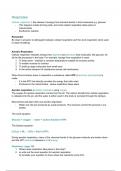
Cellular respiration = the release of energy from chemical bonds in food molecules e.g. glucose
- This happens inside all living cells, and most cellular respiration takes place in
mitochondria
- Exothermic reaction
Remember
Be clear in answers to distinguish between cellular respiration and the word respiration when used
to mean breathing.
Aerobic Respiration
Cellular respiration releases energy from digested and absorbed food molecules, like glucose, for
all the life processes in the body. For example, energy from respiration is used:
1. To keep warm - maintain a constant temperature suitable for enzyme activity
2. To enable muscles to contract
3. To build up large molecules from small ones
4. In the active transport of substances across cell membranes
When food is broken down in respiration a substance called ATP (adenosine triphosphate) is
made.
- It is the ATP that directly provides the energy that cells need
- Produced in the mitochondria - where respiration takes place
Aerobic respiration is cellular respiration using oxygen.
The oxygen for aerobic respiration comes from the air. The carbon dioxide from cellular respiration
is released into the air, and the water is either used in the body or excreted through the kidneys.
Most animal and plant cells use aerobic respiration.
- Water and c02 are produced as waste products. The enzymes control the process in our
bodies.
The word equation:
Glucose + oxygen → water + carbon dioxide (+ATP)
The Symbol equation:
C6H1206 + 602 → 6C02 + 6H20 (+ATP)
During aerobic respiration, many of the chemical bonds in the glucose molecule are broken down
and the ATP produced releases a lot of energy.
Questions - page 100
1. Where does respiration take place in the body?
2. a) write out the word equation for aerobic respiration
b) annotate your equation to show where the reactants come from
Cellular respiration = the release of energy from chemical bonds in food molecules e.g. glucose
- This happens inside all living cells, and most cellular respiration takes place in
mitochondria
- Exothermic reaction
Remember
Be clear in answers to distinguish between cellular respiration and the word respiration when used
to mean breathing.
Aerobic Respiration
Cellular respiration releases energy from digested and absorbed food molecules, like glucose, for
all the life processes in the body. For example, energy from respiration is used:
1. To keep warm - maintain a constant temperature suitable for enzyme activity
2. To enable muscles to contract
3. To build up large molecules from small ones
4. In the active transport of substances across cell membranes
When food is broken down in respiration a substance called ATP (adenosine triphosphate) is
made.
- It is the ATP that directly provides the energy that cells need
- Produced in the mitochondria - where respiration takes place
Aerobic respiration is cellular respiration using oxygen.
The oxygen for aerobic respiration comes from the air. The carbon dioxide from cellular respiration
is released into the air, and the water is either used in the body or excreted through the kidneys.
Most animal and plant cells use aerobic respiration.
- Water and c02 are produced as waste products. The enzymes control the process in our
bodies.
The word equation:
Glucose + oxygen → water + carbon dioxide (+ATP)
The Symbol equation:
C6H1206 + 602 → 6C02 + 6H20 (+ATP)
During aerobic respiration, many of the chemical bonds in the glucose molecule are broken down
and the ATP produced releases a lot of energy.
Questions - page 100
1. Where does respiration take place in the body?
2. a) write out the word equation for aerobic respiration
b) annotate your equation to show where the reactants come from