AMERICA - A LEVEL QUESTIONS
PEARSON
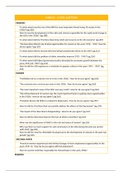
To what extent was the rise of the KKK the most important threat facing US society in the
1920s? (pg 183)
How far was the development of the radio and cinema responsible for the rapid social change in
the USA in the 1920s? (pg 188)
To what extent did the First New Deal bring relief and recovery to the US economy? (pg 207)
‘The New Deal ofered only limited opportunites for women in the years 1933 – 1939.’ How far
do you agree? (pg 220)
To what extent did the Second New Deal bring fundamental reform to the USA? (pg 212)
To what extent did the positon of ethnic minorites improve 1933 – 1945? (pg 226)
To what extent did federal government policy stmulate the economic growth between the
years 1945 and 1955? (pg 243)
How far did the USA experience a revoluton in popular culture in the years 1945 – 1955? (pg
255)
HODDER
‘Prohibiton led to a massive rise in crime in the 1920s.’ How far do you agree? (pg 263)
‘The economy was a real success story in the 1920s.’ How far do you agree? (pg 263)
‘The most important cause of the WSC was easy credit.’ How far do you agree? (pg 263)
‘The enfranchisement of women was the most important factor in gaining more opportunites
in the 1920s.’ How far do you agree? (pg 263)
‘President Hoover did litle to combat the Depression.’ How far do you agree? (pg 295)
How far did the First New Deal successfully address the efects of the Depression? (pg 295)
‘The impact of the New Deal is disappointng.’ How far do you agree? (pg 321)
How far did the New Deal improve the lives of ethnic minorites? (pg 321)
What was the signifcance of WW2 in the role and status of women? (pg 321)
Why was there so much support for anticommunism in the USA during the postiwar period
untl 1955? (pg 345)
How far did the need for afordable housing lead to the development of suburbs in the postiwar
period? (pg 345)
SPECIMEN PAPER
‘American women experienced only limited changes in their employment opportunites in the
years 1919–41.’ How far do you agree with this statement?
How far was the Cold War responsible for McCarthyism in the early 1950s?
PEARSON
PEARSON
To what extent was the rise of the KKK the most important threat facing US society in the
1920s? (pg 183)
How far was the development of the radio and cinema responsible for the rapid social change in
the USA in the 1920s? (pg 188)
To what extent did the First New Deal bring relief and recovery to the US economy? (pg 207)
‘The New Deal ofered only limited opportunites for women in the years 1933 – 1939.’ How far
do you agree? (pg 220)
To what extent did the Second New Deal bring fundamental reform to the USA? (pg 212)
To what extent did the positon of ethnic minorites improve 1933 – 1945? (pg 226)
To what extent did federal government policy stmulate the economic growth between the
years 1945 and 1955? (pg 243)
How far did the USA experience a revoluton in popular culture in the years 1945 – 1955? (pg
255)
HODDER
‘Prohibiton led to a massive rise in crime in the 1920s.’ How far do you agree? (pg 263)
‘The economy was a real success story in the 1920s.’ How far do you agree? (pg 263)
‘The most important cause of the WSC was easy credit.’ How far do you agree? (pg 263)
‘The enfranchisement of women was the most important factor in gaining more opportunites
in the 1920s.’ How far do you agree? (pg 263)
‘President Hoover did litle to combat the Depression.’ How far do you agree? (pg 295)
How far did the First New Deal successfully address the efects of the Depression? (pg 295)
‘The impact of the New Deal is disappointng.’ How far do you agree? (pg 321)
How far did the New Deal improve the lives of ethnic minorites? (pg 321)
What was the signifcance of WW2 in the role and status of women? (pg 321)
Why was there so much support for anticommunism in the USA during the postiwar period
untl 1955? (pg 345)
How far did the need for afordable housing lead to the development of suburbs in the postiwar
period? (pg 345)
SPECIMEN PAPER
‘American women experienced only limited changes in their employment opportunites in the
years 1919–41.’ How far do you agree with this statement?
How far was the Cold War responsible for McCarthyism in the early 1950s?
PEARSON