Latona en de Lycische boeren
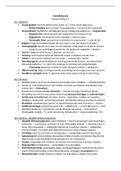
Latona smeekt om water
Accessit – (positoque - genu) - Titania – terram -
De Titanische naderde en drukte met gebogen knie op de aarde / nadat ze haar
knie had neergezet / knielde op de aarde,
Titania = Latona, dochter van een Titaan (Coeus x Phoebe = Latona)
Latona / Leto = moeder van Apollo en Artemis / Diana,
opgejaagd door de jaloerse Hera kon zij nergens een plekje vinden om
haar kinderen te baren, uiteindelijk opgenomen door het eiland Delos
posito genu = abl abs
pressit, ut hauriret - gelidos – potura - liquores;
opdat ze het ijs koude water (op)schepte om te drinken;
ut … hauriret = conjunctivus in ut-zin van doel
gelidos … liquores = hyperbaton, dichterlijk meervoud
potura = ptc futurum van poto, drukt doel uit
rustica turba - vetat. Dea - sic - affata - vetantes:
de boerenmenigte verbiedt het.
De godin sprak hen die het haar verboden zo toe:
affata: vul aan: est (deponens)
vetantes = zelfstandig gebruikt ptc
'Quid - prohibetis - aquis? Usus – communis - aquarum - est;
‘Wat/waarom houden jullie (mij) van het water af?
Het gebruik van water is gemeenschappelijk.
aquis = ablatives separationis / scheiding
aquarum = genitivus objectivus bij usus
communis = naamwoordelijk deel v/h gezegde
350 nec solem - proprium – natura - nec aëra - fecit
De natuur heeft noch de zon als privé-bezit gemaakt, noch de lucht,
proprium = predicatief (bij zowel solem als aëra als tenues undas)
nec … nec … nec … = polysyndeton
aëra = Griekse accusativus
nec tenues undas: ad publica munera - veni,
noch het heldere water:
ik ben naar gaven voor algemeen gebruik gekomen,
unda = golf water = metonymia
quae – tamen - ut detis, supplex - peto. Non - ego - nostros
en toch vraag ik smekend dat jullie (mij) die geven.
construeer: et tamen ut ea detis
ut detis = conjunctivus in ut-zin van doel
supplex = predicatief bij het onderwerp ‘ik’
1
, abluere - hic - artus - lassataque membra - parabam,
Niet was ik van plan hier mijn/onze ledematen en vermoeide lichaam af
te spoelen,
nostros … artus = acc mv lvw, hyperbaton
sed relevare - sitim. Caret – os - umore - loquentis
maar om mijn dorst te lessen.
De mond van mij mist vocht, terwijl ik spreek,
umore = ablatives separationis / scheiding
loquentis = ptc genitivus possessivus bij os
355 et fauces - arent - vixque - est - via (vocis) - in illis.
en mijn keel is droog en er is nauwelijks een weg voor mijn stem daarin.
vix … via vocis = alliteratie
in illis: bedoeld is: fauces
haustus (aquae) - mihi - nectar - erit, vitamque – fatebor -
Een slok water zal voor mij nectar zijn,
en ik zal bekennen het leven tegelijkertijd te hebben ontvangen:
aquae = genitivus materiae / material
nectar = godendrank, maakt onsterfelijk
erit, fatebor = futurum
M.a.w. het water is voor Latona / Leto van levensbelang.
accepisse - simul: vitam – dederitis - in unda.
jullie zullen het leven in het water gegeven hebben.
dederitis = futurum exactum
vitam … vitam … = anafora
: asyndeton
Hi quoque – vos - moveant, qui nostro - bracchia - tendunt
Laten/mogen ook dezen jullie ontroeren/bewegen,
die hun kleine armpjes (uit)strekken vanaf mijn/onze boezem.’
Hi = de baby’s Apollo en Diana
moveant = conjunctivus optativus / wens
bracchia … parva = acc onz mv lvw
nostro … sinu = ablatives separationis / scheiding
parva - sinu.' Et casu – tendebant - bracchia - nati.
En toevallig strekten de kinderen hun armpjes uit.
nati = nom mv ond
casu = ablativus causae / oorzaak of modi / wijze
360 Quem - non - blanda (deae) – potuissent - verba - movere?
Wie zouden de vleiende woorden van de godin niet hebben kunnen
ontroeren/bewegen?
potuissent = irrealis v/h verleden
2
Latona smeekt om water
Accessit – (positoque - genu) - Titania – terram -
De Titanische naderde en drukte met gebogen knie op de aarde / nadat ze haar
knie had neergezet / knielde op de aarde,
Titania = Latona, dochter van een Titaan (Coeus x Phoebe = Latona)
Latona / Leto = moeder van Apollo en Artemis / Diana,
opgejaagd door de jaloerse Hera kon zij nergens een plekje vinden om
haar kinderen te baren, uiteindelijk opgenomen door het eiland Delos
posito genu = abl abs
pressit, ut hauriret - gelidos – potura - liquores;
opdat ze het ijs koude water (op)schepte om te drinken;
ut … hauriret = conjunctivus in ut-zin van doel
gelidos … liquores = hyperbaton, dichterlijk meervoud
potura = ptc futurum van poto, drukt doel uit
rustica turba - vetat. Dea - sic - affata - vetantes:
de boerenmenigte verbiedt het.
De godin sprak hen die het haar verboden zo toe:
affata: vul aan: est (deponens)
vetantes = zelfstandig gebruikt ptc
'Quid - prohibetis - aquis? Usus – communis - aquarum - est;
‘Wat/waarom houden jullie (mij) van het water af?
Het gebruik van water is gemeenschappelijk.
aquis = ablatives separationis / scheiding
aquarum = genitivus objectivus bij usus
communis = naamwoordelijk deel v/h gezegde
350 nec solem - proprium – natura - nec aëra - fecit
De natuur heeft noch de zon als privé-bezit gemaakt, noch de lucht,
proprium = predicatief (bij zowel solem als aëra als tenues undas)
nec … nec … nec … = polysyndeton
aëra = Griekse accusativus
nec tenues undas: ad publica munera - veni,
noch het heldere water:
ik ben naar gaven voor algemeen gebruik gekomen,
unda = golf water = metonymia
quae – tamen - ut detis, supplex - peto. Non - ego - nostros
en toch vraag ik smekend dat jullie (mij) die geven.
construeer: et tamen ut ea detis
ut detis = conjunctivus in ut-zin van doel
supplex = predicatief bij het onderwerp ‘ik’
1
, abluere - hic - artus - lassataque membra - parabam,
Niet was ik van plan hier mijn/onze ledematen en vermoeide lichaam af
te spoelen,
nostros … artus = acc mv lvw, hyperbaton
sed relevare - sitim. Caret – os - umore - loquentis
maar om mijn dorst te lessen.
De mond van mij mist vocht, terwijl ik spreek,
umore = ablatives separationis / scheiding
loquentis = ptc genitivus possessivus bij os
355 et fauces - arent - vixque - est - via (vocis) - in illis.
en mijn keel is droog en er is nauwelijks een weg voor mijn stem daarin.
vix … via vocis = alliteratie
in illis: bedoeld is: fauces
haustus (aquae) - mihi - nectar - erit, vitamque – fatebor -
Een slok water zal voor mij nectar zijn,
en ik zal bekennen het leven tegelijkertijd te hebben ontvangen:
aquae = genitivus materiae / material
nectar = godendrank, maakt onsterfelijk
erit, fatebor = futurum
M.a.w. het water is voor Latona / Leto van levensbelang.
accepisse - simul: vitam – dederitis - in unda.
jullie zullen het leven in het water gegeven hebben.
dederitis = futurum exactum
vitam … vitam … = anafora
: asyndeton
Hi quoque – vos - moveant, qui nostro - bracchia - tendunt
Laten/mogen ook dezen jullie ontroeren/bewegen,
die hun kleine armpjes (uit)strekken vanaf mijn/onze boezem.’
Hi = de baby’s Apollo en Diana
moveant = conjunctivus optativus / wens
bracchia … parva = acc onz mv lvw
nostro … sinu = ablatives separationis / scheiding
parva - sinu.' Et casu – tendebant - bracchia - nati.
En toevallig strekten de kinderen hun armpjes uit.
nati = nom mv ond
casu = ablativus causae / oorzaak of modi / wijze
360 Quem - non - blanda (deae) – potuissent - verba - movere?
Wie zouden de vleiende woorden van de godin niet hebben kunnen
ontroeren/bewegen?
potuissent = irrealis v/h verleden
2