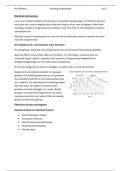
Utilitarianism
Origins
Aristotle good conduct promotes happiness in society - we must
seek eudaimonia.
Epicurus life consists of the maximum amount of happiness and
minimum amount of pain.
Developed by 18th Century English philosopher Jeremy
Bentham who was also influential in how criminals were treated
and reforms in the Houses of Parliament.
Features
It is the utility (or usefulness) of an action that determines
whether it is right or wrong.
Summarised as "The greatest happiness for the greatest number"
(Vardy and Grosch)
It does not "support individual pursuits that are at the expense of
the majority" (Peter Singer)
It is teleological and consequentialist - focusses on the
consequence of an action - the ends justify the means.
It's relativist - there are no absolute universal standards - moral
behaviour varies from person to person
Four categories of utilitarianism - act, rule, preference and
Christian.
Agree Disagree
Easy to understand as it is based The Hedonic Calculus is
on clear principles (Thompson) criticised for being speculative - it
is difficult to predict
consequences.
It is impartial and treats Most forms of utilitarianism fail
everyone as equals, "let each one to protect minorities
count for one, and no one for
more than one" (Bentham)
Origins
Aristotle good conduct promotes happiness in society - we must
seek eudaimonia.
Epicurus life consists of the maximum amount of happiness and
minimum amount of pain.
Developed by 18th Century English philosopher Jeremy
Bentham who was also influential in how criminals were treated
and reforms in the Houses of Parliament.
Features
It is the utility (or usefulness) of an action that determines
whether it is right or wrong.
Summarised as "The greatest happiness for the greatest number"
(Vardy and Grosch)
It does not "support individual pursuits that are at the expense of
the majority" (Peter Singer)
It is teleological and consequentialist - focusses on the
consequence of an action - the ends justify the means.
It's relativist - there are no absolute universal standards - moral
behaviour varies from person to person
Four categories of utilitarianism - act, rule, preference and
Christian.
Agree Disagree
Easy to understand as it is based The Hedonic Calculus is
on clear principles (Thompson) criticised for being speculative - it
is difficult to predict
consequences.
It is impartial and treats Most forms of utilitarianism fail
everyone as equals, "let each one to protect minorities
count for one, and no one for
more than one" (Bentham)