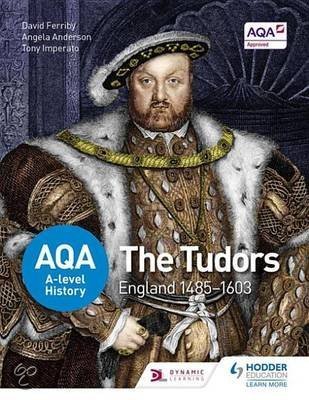
Henry VII
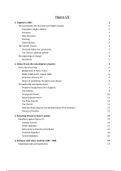
1. England in 1485: 2
The countryside, the economy and English Society: 2
Population (1520’s-1600’s): 2
Economy: 3
Class Structure: 3
Farming: 3
Cloth Industry: 3
The Catholic Church: 4
Churches within the community: 5
The Church’s political sphere: 5
The beginnings of change: 5
Humanism: 5
2. Henry VII and the consolidation of power: 6
Henry becomes King: 6
Background of Henry Tudor: 6
Battle of Bosworth, August 1485: 6
Accession of Henry VII: 7
Henry VII establishes his right to the throne: 8
Strengthening royal government: 9
Problems facing Henry VII in England: 9
The nobility: 9
Local government: 10
National government: 11
The Privy Council: 11
The Church: 11
How did Henry improve the administration of his finances? 12
Sources of income: 12
3. Removing threats to Henry’s power: 14
Rebellions against Henry VII: 14
Lambert Simnel: 14
Perkin Warbeck: 15
Edmund de la Pole (Earl of Suffolk): 15
Yorkshire Rebellion: 16
Cornish Rebellion: 16
4. Relations with other countries 1485 - 1509 17
Expanding trade and exploration 17
, France: 17
Spain: 17
Burgundy: 17
Foreign policy: 18
Treaty of Medina del Campo : 18
Treaty of Etaples: 18
Truce of Ayton (1492): 18
Foreign policy in the last years of Henry VII’s reign: 18
The last decade of Henry VII’s reign 19
Henry’s successes 19
Henry’s failures 19
,1. England in 1485:
The countryside, the economy and English Society:
Population (1520’s-1600’s):
- Increase in population
- Particularly in London (215,000 in the 1600’s), was considered the centre of the
economy, the only ‘city’.
- Smaller towns (Exeter, York, Cambridge etc.) increased in population at a slower rate.
Economy:
- Exports were key – 89% of exports were cloth to Holland.
- Wages were worth less in 1600 than in 1450; values steadily falling.
- Food prices increased
- Bad harvests
- Increase poverty
Class Structure:
- Monarchy (chosen by God)
- Landowners (noblemen, knights and gentry)
- Freemen (merchants in town or agricultural workers)
- Villeins (unfree peasants)
Farming:
- Varied across country, depending on terrain and landscape.
- Southern England and Midlands – open field arable farming was common.
- Arable farming – Labour-intensive farming which produced crops using basic tools including
ploughs.
- Hilly areas – livestock farming was common.
- Woodland & forests were important for timber and grazing animals.
- Large open fields used for arable farming were divided into strips (Strip farming) and given to
tenants by local landowners.
- Villages had common land – land where all the villagers could graze their animals.
- Enclosure – closing off a field so it could produce one crop on a mass scale or be used to graze
livestock. Popular when farmers were switching from arable to pasture farming, as sheep
farming was more profitable.
- Tenant farmers could lose their land when landowners wanted to change farming methods.
- Sometimes the common land was enclosed, causing opposition and conflict. This deprived
villagers of land for their animals, cutting timber etc.
- Less than 3% was enclosed in the Midlands, more common during the War of the Roses.
, - Engrossing – the joining together of multiple farms, mainly when a farmer bought up the land of
others, leading to families being evicted.
Cloth Industry:
- Was England’s major industry - nearly 80% of their exports & brought the most wealth.
- Most of the trade was controlled by Merchant Adventures, a powerful London company.
- Exported cloth and imported foreign goods in return.
- The quality of wool from English sheep made raw material and woven cloth in great demand.
- Brought valuable income to the Crown from customs duties on exports – Tudor governments
encouraged this.
- Exported raw wool in the Middle ages, but then realised it was most profitable to do the
‘finishing’ work in England.
- Social status dominated society.
- Put the Church in a powerful position to control people by preaching obedience to the will of
God – good ally of the government.
- Few nobles – just over 50, who owned large areas of land.
- Strict rules of primogeniture.
- King relied on the support of noble families to maintain law and order across the country.
- A successful monarch ruled cooperatively with the nobles.
- Some monarchs tried to ‘buy’ support buy creating new titles – Henry VII did the opposite and
only created 3 Earls.
- Monarch ruled under God, but couldn’t be a dictator – needed the support of nobles and an
army.
- England was more unified than other European countries, there was a common law and
accepted language. The Monarch controlled the whole country, even though some areas were
semi—independent, either ruled by nobles or the Church.
The Catholic Church:
- Catholic Church owned ⅓ of the land and was very wealthy in the C.15th.
- The Church had a hierarchy of from Archbishops to parish priests - mirrored the structure of a
secular society.
- 35,000 ordained clergy, 10,000 monks and nuns.
- The Church had its own legal system - in theory, the Pope in Rome decided on all matters both
religious and political.
- England was a fully integrated part of the international Catholic Church.
- However, the Pope’s primary political focus was on the Papal states which were often in conflict
with the neighbouring states.
- The power of the Church stemmed from people’s beliefs and fears - life was short, disease was
common and medicines were few - people needed certainty and the Church provided for this.
- Church walls had contrasting pictures of heaven and hell, and people’s beliefs were focussed
more on the god of nature and the fear of going to hell.
- The doctrines of the Catholic Church which people accepted:
1. England in 1485: 2
The countryside, the economy and English Society: 2
Population (1520’s-1600’s): 2
Economy: 3
Class Structure: 3
Farming: 3
Cloth Industry: 3
The Catholic Church: 4
Churches within the community: 5
The Church’s political sphere: 5
The beginnings of change: 5
Humanism: 5
2. Henry VII and the consolidation of power: 6
Henry becomes King: 6
Background of Henry Tudor: 6
Battle of Bosworth, August 1485: 6
Accession of Henry VII: 7
Henry VII establishes his right to the throne: 8
Strengthening royal government: 9
Problems facing Henry VII in England: 9
The nobility: 9
Local government: 10
National government: 11
The Privy Council: 11
The Church: 11
How did Henry improve the administration of his finances? 12
Sources of income: 12
3. Removing threats to Henry’s power: 14
Rebellions against Henry VII: 14
Lambert Simnel: 14
Perkin Warbeck: 15
Edmund de la Pole (Earl of Suffolk): 15
Yorkshire Rebellion: 16
Cornish Rebellion: 16
4. Relations with other countries 1485 - 1509 17
Expanding trade and exploration 17
, France: 17
Spain: 17
Burgundy: 17
Foreign policy: 18
Treaty of Medina del Campo : 18
Treaty of Etaples: 18
Truce of Ayton (1492): 18
Foreign policy in the last years of Henry VII’s reign: 18
The last decade of Henry VII’s reign 19
Henry’s successes 19
Henry’s failures 19
,1. England in 1485:
The countryside, the economy and English Society:
Population (1520’s-1600’s):
- Increase in population
- Particularly in London (215,000 in the 1600’s), was considered the centre of the
economy, the only ‘city’.
- Smaller towns (Exeter, York, Cambridge etc.) increased in population at a slower rate.
Economy:
- Exports were key – 89% of exports were cloth to Holland.
- Wages were worth less in 1600 than in 1450; values steadily falling.
- Food prices increased
- Bad harvests
- Increase poverty
Class Structure:
- Monarchy (chosen by God)
- Landowners (noblemen, knights and gentry)
- Freemen (merchants in town or agricultural workers)
- Villeins (unfree peasants)
Farming:
- Varied across country, depending on terrain and landscape.
- Southern England and Midlands – open field arable farming was common.
- Arable farming – Labour-intensive farming which produced crops using basic tools including
ploughs.
- Hilly areas – livestock farming was common.
- Woodland & forests were important for timber and grazing animals.
- Large open fields used for arable farming were divided into strips (Strip farming) and given to
tenants by local landowners.
- Villages had common land – land where all the villagers could graze their animals.
- Enclosure – closing off a field so it could produce one crop on a mass scale or be used to graze
livestock. Popular when farmers were switching from arable to pasture farming, as sheep
farming was more profitable.
- Tenant farmers could lose their land when landowners wanted to change farming methods.
- Sometimes the common land was enclosed, causing opposition and conflict. This deprived
villagers of land for their animals, cutting timber etc.
- Less than 3% was enclosed in the Midlands, more common during the War of the Roses.
, - Engrossing – the joining together of multiple farms, mainly when a farmer bought up the land of
others, leading to families being evicted.
Cloth Industry:
- Was England’s major industry - nearly 80% of their exports & brought the most wealth.
- Most of the trade was controlled by Merchant Adventures, a powerful London company.
- Exported cloth and imported foreign goods in return.
- The quality of wool from English sheep made raw material and woven cloth in great demand.
- Brought valuable income to the Crown from customs duties on exports – Tudor governments
encouraged this.
- Exported raw wool in the Middle ages, but then realised it was most profitable to do the
‘finishing’ work in England.
- Social status dominated society.
- Put the Church in a powerful position to control people by preaching obedience to the will of
God – good ally of the government.
- Few nobles – just over 50, who owned large areas of land.
- Strict rules of primogeniture.
- King relied on the support of noble families to maintain law and order across the country.
- A successful monarch ruled cooperatively with the nobles.
- Some monarchs tried to ‘buy’ support buy creating new titles – Henry VII did the opposite and
only created 3 Earls.
- Monarch ruled under God, but couldn’t be a dictator – needed the support of nobles and an
army.
- England was more unified than other European countries, there was a common law and
accepted language. The Monarch controlled the whole country, even though some areas were
semi—independent, either ruled by nobles or the Church.
The Catholic Church:
- Catholic Church owned ⅓ of the land and was very wealthy in the C.15th.
- The Church had a hierarchy of from Archbishops to parish priests - mirrored the structure of a
secular society.
- 35,000 ordained clergy, 10,000 monks and nuns.
- The Church had its own legal system - in theory, the Pope in Rome decided on all matters both
religious and political.
- England was a fully integrated part of the international Catholic Church.
- However, the Pope’s primary political focus was on the Papal states which were often in conflict
with the neighbouring states.
- The power of the Church stemmed from people’s beliefs and fears - life was short, disease was
common and medicines were few - people needed certainty and the Church provided for this.
- Church walls had contrasting pictures of heaven and hell, and people’s beliefs were focussed
more on the god of nature and the fear of going to hell.
- The doctrines of the Catholic Church which people accepted: