EDLHODM Summary Section B: Intro to SA Education Law Ch 5-7 / 31.10.17 11.30 – 13.30
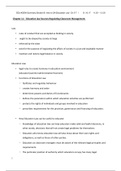
Chapter 11 – Education law Sources Regulating Classroom Management
Law
• rules of conduct that are accepted as binding in society
• ought to be obeyed by society at large
• enforced by the state
• exist for the purpose of regulating the affairs of society in a just and equitable manner
• maintain and restore legal balance in society
Education Law
• legal rules to create harmony in education environment
(educator+parents+administration+learners)
• Functions of Education Law
◦ facilitates and regulates behaviour
◦ creates harmony and order
◦ determines powers and duties of functionaries
◦ defines the parameters within which education activities are performed
◦ protects the rights of individuals and groups involved in education
◦ prescribes requirements for the provision, governance and financing of education.
• How Education Law can be useful to educator
◦ Knowledge of education law can help educators make valid and lawful decisions, in
other words, decisions that will not create legal problems for themselves.
◦ Educators who know education law will also know about their own rights and
obligations, as well as those of other parties.
◦ Educators as classroom managers must be aware of the relevant legal principles and
requirements.
◦ The particular position of authority which educators occupy has many legal
1
, EDLHODM Summary Section B: Intro to SA Education Law Ch 5-7 / 31.10.17 11.30 – 13.30
implications, especially with regard to possible accountability for negligence. Education
law describes the authority of the educator and especially of the educational manager.
◦ Educators who know the demands of the law will probably make better provision for
the safety of children than those who are ignorant of the law.
◦ Education law provides a clear framework of the role of the educator as a professional
person.
◦ Successful teaching depends on the manner in which legal prescriptions such as
educational policy, rules and regulations are applied. Only educators who know
education law will know how to interpret policy and correctly implement procedures,
rules and regulations.
◦ Important for educators to be aware of the law that directly affects their profession
▪ “ignorance of the law” in not a valid defense in civil cases (only criminal cases) -
from Roman Law as ignorantia juris non excusat.
▪ S vs De Bloom says that it is not possible for everyone to know all laws, however, if it
expected that one keeps themselves up-to-date on laws relating to ones profession
Sources of education law
• 4 main sources
1. Constitution (Constitution of the Republic of South Africa of 1996)
• Ch 12
• supreme law which has a direct influence on all law, including legislation.
• Adopted by a Constitutional Assemby, certified by Constituaional court, NOT
passed by Parliment
• SA = Constitutional Supremecy (used to be Parlimentary Supremacy – legislation
at top)
2. legislation (Statutes)
• Law made by an organ of the State
2
, EDLHODM Summary Section B: Intro to SA Education Law Ch 5-7 / 31.10.17 11.30 – 13.30
• passed by
◦ Parliment
◦ Provinces
◦ Municaple councils
• Examples of legislation applicable to classroom managers are:
◦ Labour Relations Act 66 of 1995
◦ South African Schools Act 84 of 1996
◦ Employment of Educators Act 76 of 1998
◦ South African Council for Educators Act 31 of 2000
◦ Children’s Act 38 of 2005
•
3. common law
• Uncodified - Not originally written down
• Non-Statutory – not enacted by the legislature
• become accepted over time
• Common law can be altered by legislation, but if there is no legislation on a
particular subject, common law will prevail.
• Some common law made into legislation e.g. rules of natural justice = in
Consitution
• Some common law incorporated into case law
• South African common law developed from Roman-Dutch law and English law,
but has been adapted within the South African legal and cultural context
4. case law
• decisions of courts contained in law reports
• stare decisis principle (i.e. judicial precedent) = decisions by higher courts (High
Court) are binding on lower court judgements (magistrates' court)
• ratio decidendi principle = reason for judgement
3
, EDLHODM Summary Section B: Intro to SA Education Law Ch 5-7 / 31.10.17 11.30 – 13.30
• judge could base their ratio decidendi on the fact that the majority of judges
have based their judgment on the same reasons
• Policy
◦ 1) proceeds, or 2) follows legislation
◦ not law, although it can become law e.g. Regulations for Safety Measures
◦ “Policy determinations cannot override, amend or be in conflict with laws (including
subordinate legislation)”
◦ plays an important role in SA education law, not mandatory
◦ compliments the 4 main sources
◦ e.g. White Paper
Legal Subject
• any “person” recognised in law
• law only applies to legal subjects
• A legal subject is persona iuris (a person in the eyes of the law)
• 2 classes of legal subjects
◦ natural persons (all human beings)
◦ juristic persons or entities other than human beings upon which the law bestows a legal
personality
▪ e.g. a school
Education Law's Place in the SA Law System
• Falls under Public Law because of the involvement of the state and its authoritative
position in education in South Africa.
• = legal aspects of classroom management fall mainly within the domain of public law
• Public Law includes
◦ Constitutional law
4
Chapter 11 – Education law Sources Regulating Classroom Management
Law
• rules of conduct that are accepted as binding in society
• ought to be obeyed by society at large
• enforced by the state
• exist for the purpose of regulating the affairs of society in a just and equitable manner
• maintain and restore legal balance in society
Education Law
• legal rules to create harmony in education environment
(educator+parents+administration+learners)
• Functions of Education Law
◦ facilitates and regulates behaviour
◦ creates harmony and order
◦ determines powers and duties of functionaries
◦ defines the parameters within which education activities are performed
◦ protects the rights of individuals and groups involved in education
◦ prescribes requirements for the provision, governance and financing of education.
• How Education Law can be useful to educator
◦ Knowledge of education law can help educators make valid and lawful decisions, in
other words, decisions that will not create legal problems for themselves.
◦ Educators who know education law will also know about their own rights and
obligations, as well as those of other parties.
◦ Educators as classroom managers must be aware of the relevant legal principles and
requirements.
◦ The particular position of authority which educators occupy has many legal
1
, EDLHODM Summary Section B: Intro to SA Education Law Ch 5-7 / 31.10.17 11.30 – 13.30
implications, especially with regard to possible accountability for negligence. Education
law describes the authority of the educator and especially of the educational manager.
◦ Educators who know the demands of the law will probably make better provision for
the safety of children than those who are ignorant of the law.
◦ Education law provides a clear framework of the role of the educator as a professional
person.
◦ Successful teaching depends on the manner in which legal prescriptions such as
educational policy, rules and regulations are applied. Only educators who know
education law will know how to interpret policy and correctly implement procedures,
rules and regulations.
◦ Important for educators to be aware of the law that directly affects their profession
▪ “ignorance of the law” in not a valid defense in civil cases (only criminal cases) -
from Roman Law as ignorantia juris non excusat.
▪ S vs De Bloom says that it is not possible for everyone to know all laws, however, if it
expected that one keeps themselves up-to-date on laws relating to ones profession
Sources of education law
• 4 main sources
1. Constitution (Constitution of the Republic of South Africa of 1996)
• Ch 12
• supreme law which has a direct influence on all law, including legislation.
• Adopted by a Constitutional Assemby, certified by Constituaional court, NOT
passed by Parliment
• SA = Constitutional Supremecy (used to be Parlimentary Supremacy – legislation
at top)
2. legislation (Statutes)
• Law made by an organ of the State
2
, EDLHODM Summary Section B: Intro to SA Education Law Ch 5-7 / 31.10.17 11.30 – 13.30
• passed by
◦ Parliment
◦ Provinces
◦ Municaple councils
• Examples of legislation applicable to classroom managers are:
◦ Labour Relations Act 66 of 1995
◦ South African Schools Act 84 of 1996
◦ Employment of Educators Act 76 of 1998
◦ South African Council for Educators Act 31 of 2000
◦ Children’s Act 38 of 2005
•
3. common law
• Uncodified - Not originally written down
• Non-Statutory – not enacted by the legislature
• become accepted over time
• Common law can be altered by legislation, but if there is no legislation on a
particular subject, common law will prevail.
• Some common law made into legislation e.g. rules of natural justice = in
Consitution
• Some common law incorporated into case law
• South African common law developed from Roman-Dutch law and English law,
but has been adapted within the South African legal and cultural context
4. case law
• decisions of courts contained in law reports
• stare decisis principle (i.e. judicial precedent) = decisions by higher courts (High
Court) are binding on lower court judgements (magistrates' court)
• ratio decidendi principle = reason for judgement
3
, EDLHODM Summary Section B: Intro to SA Education Law Ch 5-7 / 31.10.17 11.30 – 13.30
• judge could base their ratio decidendi on the fact that the majority of judges
have based their judgment on the same reasons
• Policy
◦ 1) proceeds, or 2) follows legislation
◦ not law, although it can become law e.g. Regulations for Safety Measures
◦ “Policy determinations cannot override, amend or be in conflict with laws (including
subordinate legislation)”
◦ plays an important role in SA education law, not mandatory
◦ compliments the 4 main sources
◦ e.g. White Paper
Legal Subject
• any “person” recognised in law
• law only applies to legal subjects
• A legal subject is persona iuris (a person in the eyes of the law)
• 2 classes of legal subjects
◦ natural persons (all human beings)
◦ juristic persons or entities other than human beings upon which the law bestows a legal
personality
▪ e.g. a school
Education Law's Place in the SA Law System
• Falls under Public Law because of the involvement of the state and its authoritative
position in education in South Africa.
• = legal aspects of classroom management fall mainly within the domain of public law
• Public Law includes
◦ Constitutional law
4