Introducing Express Trusts
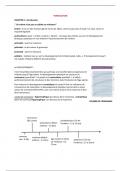
As a starting point for what follows, you might look at this diagram of the usual operation
of the trust:
The ‘timeline’ for the development of trusts law
We already know that the modern origins of “the trust” arrangement developed from at
least the fifteenth century through “the use”. This facilitated important benefits for those
whose interests the common law would not recognise, and it became possible to impose
on the conscience of those with rights recognised at law obligations to ensure that those
without were not left disadvantaged. It was also recognised that the efficacy of this
arrangement would depend upon those who recognised that its function was to benefit
others who might otherwise be victims of injustice. The desire to pass legal title to those
who could be “trusted” had gathered momentum during wars when absences would be
long, and a return was far from certain. These two key ideas - of an arrangement which
could benefit otherwise vulnerable persons, and the way in which this could only be
achieved where those who hold legal title recognise this position of others - would over
time ‘meet’ to form the core tenets of “trust law” which accompanied the development
of the “trust arrangement” into its modern formulation.
Thus trusts law has evolved to seek to accommodate two key objectives:
To ensure clear entitlements for a beneficiary under a trust arrangement
To ensure appropriate levels of responsibility and duty for trustees.
The modern law relating to trusteeship developed and became formalised during the 19 th
century. The beginnings of this started to occur during the 18 th century as the trust itself
became used in the more modern social and economic settings of the Industrial
Revolution.
Further on we shall come back to these twin objectives and their 19 th century
Page 1 of 4
As a starting point for what follows, you might look at this diagram of the usual operation
of the trust:
The ‘timeline’ for the development of trusts law
We already know that the modern origins of “the trust” arrangement developed from at
least the fifteenth century through “the use”. This facilitated important benefits for those
whose interests the common law would not recognise, and it became possible to impose
on the conscience of those with rights recognised at law obligations to ensure that those
without were not left disadvantaged. It was also recognised that the efficacy of this
arrangement would depend upon those who recognised that its function was to benefit
others who might otherwise be victims of injustice. The desire to pass legal title to those
who could be “trusted” had gathered momentum during wars when absences would be
long, and a return was far from certain. These two key ideas - of an arrangement which
could benefit otherwise vulnerable persons, and the way in which this could only be
achieved where those who hold legal title recognise this position of others - would over
time ‘meet’ to form the core tenets of “trust law” which accompanied the development
of the “trust arrangement” into its modern formulation.
Thus trusts law has evolved to seek to accommodate two key objectives:
To ensure clear entitlements for a beneficiary under a trust arrangement
To ensure appropriate levels of responsibility and duty for trustees.
The modern law relating to trusteeship developed and became formalised during the 19 th
century. The beginnings of this started to occur during the 18 th century as the trust itself
became used in the more modern social and economic settings of the Industrial
Revolution.
Further on we shall come back to these twin objectives and their 19 th century
Page 1 of 4