

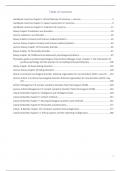
Table of contents
Handbook insomnia chapter 1 clinical features of insomnia + Lecture .................................................... 3
Handbook insomnia chapter 3: patient assessment in insomnia .............................................................. 9
Handbook insomnia chapter 4: treatment of insomnia .......................................................................... 11
Davey chapter 9 Substance use disorders ............................................................................................... 16
Lecture substance use disorders ............................................................................................................. 40
Davey chapter 6 Anxiety and stressor-related problems ........................................................................ 43
Lecture Davey chapter 6 Anxiety and stressor-related problems ........................................................... 63
Lecture Davey chapter 12 Personality disorder ...................................................................................... 65
Davey chapter 12 Personality disorder ................................................................................................... 67
Davey chapter 16 Childhood and adolescent psychological problems ................................................... 87
Therapists guide to positive psychological interventions (Maygar-moe). Chapter 2: the intersection of
positive psychology and the practice of counselling and psychotherapy .................................. 106
Davey chapter 10 Davey Eating disorders ............................................................................................. 116
Lecture Davey chapter 10 Eating disorders ........................................................................................... 128
Article: Functional neurological disorder, National organization for rare disorders (2023, may 23) ..... 132
Lecture article: Functional neurological disorder, National organization for rare disorders (2023, may
23) ............................................................................................................................................. 136
Article: Management of somatic symptom disorder, Peter Henningsen (2018) ................................... 140
Lecture article Management of somatic symptom disorder. Peter Henningsen (2018) ........................ 144
Luteijn & Barelds chapter 6: Intelligence and intelligence tests ........................................................... 149
Luteijn & Barelds chapter 5: Indirect methods ..................................................................................... 157
Luteijn & Barelds chapter 7: Neuropsychological questions and methods ........................................... 161
Luteijn & Barelds chapter 8: Personality questionnaires....................................................................... 171
Luteijn & Barelds chapter 10: Computer-assisted clinical diagnostics ................................................. 177
Luteijn & Barelds chapter 11: Ethical aspects and the reporting of diagnostics ................................... 180
1
,Literature
The following literature is in the summary
Davey (2021):
• Ch. 6: Anxiety and Stressor-Related Problems (pp. 161 - 217)
• Ch. 9: Substance Use Disorders (pp. 312 - 359)
• Ch. 10: Eating Disorders (pp. 361 - 393)
• Ch. 12: Personality disorders (pp. 435 - 478)
• Ch. 16: Childhood and Adolescent Psychological Problems (pp. 555 - 592)
Luteijn & Barelds (2019):
• Ch. 5: Indirect methods (pp. 105 - 117)
• Ch. 6: Intelligence and intelligence tests (pp. 121 - 138)
• Ch. 7: Neuropsychological questions and methods (pp. 145 - 168)
• Ch. 8: Personality questionnaires (pp. 173 - 188)
• Ch. 10: Computer-assissted clinical diagnostics (pp. 217 - 230)
• Ch. 11: Ethical aspects and the reporting of diagnostics (pp. 233 - 246)
From the Therapist's guide to Positive Psychological InterventionsLinks to an external site. (Magyar-Moe, 2009) (vpn-
connection needed)
• Ch. 2: The Intersection of Positive Psychology and the Practice of Counseling and Psychotherapy (pp. 15 -
42)
• Ch. 3: Positive Psychological Tests and Measures (pp. 43 -72)
From the Handbook of Insomnia (Taylor et al., 2014)Links to an external site. (vpn-connection needed)
• Ch. 1: Clinical features of insomnia (pp. 1 - 10)
• Ch. 3: Patient assessment in insomnia (pp. 29 - 36)
• Ch. 4: Treating insomnia (pp. 37 - 56).
Literature somatic symptom disorder:
• Henningson (2018). Management of somatic symptom disorder. Dialogues in Clinical Neuroscience, 20, pp.
23 - 31.
Literate functional neurological disorder:
• National organization for rare disorders (2023, May, 23). Functional neurological disorders.
https://rarediseases.org/rare-diseases/fnd/
2
, Summary exam 2 psychopathology and psychodiagnostics
Handbook insomnia chapter 1 clinical features of insomnia + Lecture
Sleep Sleep: A reversible, periodic behavioral state that is characterized by relative peace and an increased
response threshold for external stimuli
Sleep is not only rest: similar amount (but different) brain activity as waking
Effects of sleep Results in
deprivation - Memory system impaired
- Increase of beta amyloid
o Related to Alzheimer
- Reproductive system decreased
- Immune system disrupted
- Cardiovascular problems
- Cognitive decline
- Bodily functions decline
Sleep stages Stage 0: awake during night, without remembering
- Beta/alpha
Stage 1: sleep onset
- Theta
3
, Stage 2: light sleep
- Theta spindles and K-complex
Stage 3 & 4: deep sleep
- Delta: slower waves
o Larger parts of the brain are firing in synchrony, leading to slower waves
o Children and older people are harder to wake
o Less pleasant to wake-up in
Stage REM
- Rapid eye movements and
o Dreams
- Minimal muscle tone
o Prevents moving around
- 90 minutes, 4/6x
Sleep cycle ~90 minutes
- First cycles more deep sleep – o.a. Rest and recovery
- Last stages more REM sleep – o.a. Processing and memory
o Deep sleep is more important for restoration cells etc
o REM sleep is not as important when you do not get it
4
Handbook insomnia chapter 1 clinical features of insomnia + Lecture .................................................... 3
Handbook insomnia chapter 3: patient assessment in insomnia .............................................................. 9
Handbook insomnia chapter 4: treatment of insomnia .......................................................................... 11
Davey chapter 9 Substance use disorders ............................................................................................... 16
Lecture substance use disorders ............................................................................................................. 40
Davey chapter 6 Anxiety and stressor-related problems ........................................................................ 43
Lecture Davey chapter 6 Anxiety and stressor-related problems ........................................................... 63
Lecture Davey chapter 12 Personality disorder ...................................................................................... 65
Davey chapter 12 Personality disorder ................................................................................................... 67
Davey chapter 16 Childhood and adolescent psychological problems ................................................... 87
Therapists guide to positive psychological interventions (Maygar-moe). Chapter 2: the intersection of
positive psychology and the practice of counselling and psychotherapy .................................. 106
Davey chapter 10 Davey Eating disorders ............................................................................................. 116
Lecture Davey chapter 10 Eating disorders ........................................................................................... 128
Article: Functional neurological disorder, National organization for rare disorders (2023, may 23) ..... 132
Lecture article: Functional neurological disorder, National organization for rare disorders (2023, may
23) ............................................................................................................................................. 136
Article: Management of somatic symptom disorder, Peter Henningsen (2018) ................................... 140
Lecture article Management of somatic symptom disorder. Peter Henningsen (2018) ........................ 144
Luteijn & Barelds chapter 6: Intelligence and intelligence tests ........................................................... 149
Luteijn & Barelds chapter 5: Indirect methods ..................................................................................... 157
Luteijn & Barelds chapter 7: Neuropsychological questions and methods ........................................... 161
Luteijn & Barelds chapter 8: Personality questionnaires....................................................................... 171
Luteijn & Barelds chapter 10: Computer-assisted clinical diagnostics ................................................. 177
Luteijn & Barelds chapter 11: Ethical aspects and the reporting of diagnostics ................................... 180
1
,Literature
The following literature is in the summary
Davey (2021):
• Ch. 6: Anxiety and Stressor-Related Problems (pp. 161 - 217)
• Ch. 9: Substance Use Disorders (pp. 312 - 359)
• Ch. 10: Eating Disorders (pp. 361 - 393)
• Ch. 12: Personality disorders (pp. 435 - 478)
• Ch. 16: Childhood and Adolescent Psychological Problems (pp. 555 - 592)
Luteijn & Barelds (2019):
• Ch. 5: Indirect methods (pp. 105 - 117)
• Ch. 6: Intelligence and intelligence tests (pp. 121 - 138)
• Ch. 7: Neuropsychological questions and methods (pp. 145 - 168)
• Ch. 8: Personality questionnaires (pp. 173 - 188)
• Ch. 10: Computer-assissted clinical diagnostics (pp. 217 - 230)
• Ch. 11: Ethical aspects and the reporting of diagnostics (pp. 233 - 246)
From the Therapist's guide to Positive Psychological InterventionsLinks to an external site. (Magyar-Moe, 2009) (vpn-
connection needed)
• Ch. 2: The Intersection of Positive Psychology and the Practice of Counseling and Psychotherapy (pp. 15 -
42)
• Ch. 3: Positive Psychological Tests and Measures (pp. 43 -72)
From the Handbook of Insomnia (Taylor et al., 2014)Links to an external site. (vpn-connection needed)
• Ch. 1: Clinical features of insomnia (pp. 1 - 10)
• Ch. 3: Patient assessment in insomnia (pp. 29 - 36)
• Ch. 4: Treating insomnia (pp. 37 - 56).
Literature somatic symptom disorder:
• Henningson (2018). Management of somatic symptom disorder. Dialogues in Clinical Neuroscience, 20, pp.
23 - 31.
Literate functional neurological disorder:
• National organization for rare disorders (2023, May, 23). Functional neurological disorders.
https://rarediseases.org/rare-diseases/fnd/
2
, Summary exam 2 psychopathology and psychodiagnostics
Handbook insomnia chapter 1 clinical features of insomnia + Lecture
Sleep Sleep: A reversible, periodic behavioral state that is characterized by relative peace and an increased
response threshold for external stimuli
Sleep is not only rest: similar amount (but different) brain activity as waking
Effects of sleep Results in
deprivation - Memory system impaired
- Increase of beta amyloid
o Related to Alzheimer
- Reproductive system decreased
- Immune system disrupted
- Cardiovascular problems
- Cognitive decline
- Bodily functions decline
Sleep stages Stage 0: awake during night, without remembering
- Beta/alpha
Stage 1: sleep onset
- Theta
3
, Stage 2: light sleep
- Theta spindles and K-complex
Stage 3 & 4: deep sleep
- Delta: slower waves
o Larger parts of the brain are firing in synchrony, leading to slower waves
o Children and older people are harder to wake
o Less pleasant to wake-up in
Stage REM
- Rapid eye movements and
o Dreams
- Minimal muscle tone
o Prevents moving around
- 90 minutes, 4/6x
Sleep cycle ~90 minutes
- First cycles more deep sleep – o.a. Rest and recovery
- Last stages more REM sleep – o.a. Processing and memory
o Deep sleep is more important for restoration cells etc
o REM sleep is not as important when you do not get it
4


