Split et al.
ABSTRACT
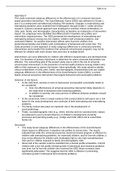
This study examined subgroup differences in the effectiveness of a universal classroom-
based preventive intervention. The Good Behavior Game (GBG) was delivered in Grade 1
and 2 in a randomized controlled trial including 759 students. Changes in externalizing and
internalizing problems were modeled from Kindergarten through Grade 2. Unlike previous
research, a person-centered approach was employed to examine critical combinations of
child, peer, family, and demographic characteristics at baseline as moderators of intervention
impact. Six subgroups were identified that differed both in baseline risk profiles and
intervention responsiveness. The GBG prevented the development of externalizing and
internalizing behavior among low-risk children, children with emotional problems, and
victimized children. No positive intervention effects were found for children from
dysfunctional families and children with combinations of behavioral and social risks. The
study presented a novel approach to study subgroup differences in universal preventive
interventions and provides first evidence that universal school-based programs may not be
effective for children with more severe risks and risks at multiple levels.
Interventions can work differently for children with different characteristics and developmental
risks. It is therefore of primary importance to determine for whom universal interventions are
effective. The overarching goal of the present study was to inform the role of universal
school-based interventions in the prevention of mental health problems among children who
differ in their exposure to various risk factors. More specifically, this study aimed to identify
critical combinations of child, peer, family, and demographic characteristics that can explain
subgroup differences in the effectiveness of the Good Behavior Game (GBG); a school-
based universal preventive intervention that targets behavioral and associated problems.
Selection of risk factors
At the child level, severity or level of dysfunction and possible comorbidity needs to
be considered.
o First, the effectiveness of universal preventive intervention likely depends on
the initial level of behavioral and emotional problems.
o In addition to severity, the cooccurrence of different behavior problems should
be considered.
At the social level, there is ample evidence that social problems with peers are a risk
factor for the early development and continuity of both internalizing and externalizing
problems.
The family context also plays an important role in the development of
psychopathology
Finally, sociodemographic risks (e.g., ethnic minority and low socioeconomic status)
are believed to exert a broad influence on children’s development via family
processes and parenting quality (e.g., Dodge and Pettit 1994) and to exacerbate
family risk.
Discussion
This study found subgroup differences in the effectiveness of the Good Behavior
Game based on differences in baseline risk profiles at school entry. The results
indicated that while this universal preventive classroom-based program is effective for
children with internalizing problems, for victimized children, and for low-risk children, it
may not be effective for children with moderately high to very high sociobehavioral
risks and for children exposed to family and demographic risks.
About half of the sample could be classified into a lowrisk profile at baseline. Control
children with a low-risk profile showed growth in behavioral and emotional problems
over time, but for low-risk children who received the GBG these increases were
significantly attenuated. This suggests that the GBG is effective in preventing
normative growth in behavioral and emotional problems.
ABSTRACT
This study examined subgroup differences in the effectiveness of a universal classroom-
based preventive intervention. The Good Behavior Game (GBG) was delivered in Grade 1
and 2 in a randomized controlled trial including 759 students. Changes in externalizing and
internalizing problems were modeled from Kindergarten through Grade 2. Unlike previous
research, a person-centered approach was employed to examine critical combinations of
child, peer, family, and demographic characteristics at baseline as moderators of intervention
impact. Six subgroups were identified that differed both in baseline risk profiles and
intervention responsiveness. The GBG prevented the development of externalizing and
internalizing behavior among low-risk children, children with emotional problems, and
victimized children. No positive intervention effects were found for children from
dysfunctional families and children with combinations of behavioral and social risks. The
study presented a novel approach to study subgroup differences in universal preventive
interventions and provides first evidence that universal school-based programs may not be
effective for children with more severe risks and risks at multiple levels.
Interventions can work differently for children with different characteristics and developmental
risks. It is therefore of primary importance to determine for whom universal interventions are
effective. The overarching goal of the present study was to inform the role of universal
school-based interventions in the prevention of mental health problems among children who
differ in their exposure to various risk factors. More specifically, this study aimed to identify
critical combinations of child, peer, family, and demographic characteristics that can explain
subgroup differences in the effectiveness of the Good Behavior Game (GBG); a school-
based universal preventive intervention that targets behavioral and associated problems.
Selection of risk factors
At the child level, severity or level of dysfunction and possible comorbidity needs to
be considered.
o First, the effectiveness of universal preventive intervention likely depends on
the initial level of behavioral and emotional problems.
o In addition to severity, the cooccurrence of different behavior problems should
be considered.
At the social level, there is ample evidence that social problems with peers are a risk
factor for the early development and continuity of both internalizing and externalizing
problems.
The family context also plays an important role in the development of
psychopathology
Finally, sociodemographic risks (e.g., ethnic minority and low socioeconomic status)
are believed to exert a broad influence on children’s development via family
processes and parenting quality (e.g., Dodge and Pettit 1994) and to exacerbate
family risk.
Discussion
This study found subgroup differences in the effectiveness of the Good Behavior
Game based on differences in baseline risk profiles at school entry. The results
indicated that while this universal preventive classroom-based program is effective for
children with internalizing problems, for victimized children, and for low-risk children, it
may not be effective for children with moderately high to very high sociobehavioral
risks and for children exposed to family and demographic risks.
About half of the sample could be classified into a lowrisk profile at baseline. Control
children with a low-risk profile showed growth in behavioral and emotional problems
over time, but for low-risk children who received the GBG these increases were
significantly attenuated. This suggests that the GBG is effective in preventing
normative growth in behavioral and emotional problems.