AWHONN Module 6 Questions and Answers Graded A+
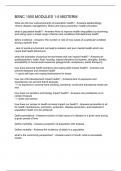
AWHONN Module 6 Questions and Answers Graded A+ A dermatome is an area of skin supplied by a single spinal nerve. Assessment of dermatome level helps establish sympathetic and motor levels of the neuraxial blockade caused by anesthesia. The RN knows that a woman is recovering from neuraxial anesthesia when she can lift both legs off of the bed. A primary and routine role of the circulating registered nurse during a cesarean birth includes performing needle and sponge counts with the scrub person Althea arrived at the obstetric unit for a labor evaluation at 39 weeks gestation. She reports decreased fetal movement for the past 24 hours. Her biophysical profile is 2/8. The decision is made to perform a cesarean delivery. The most common reason for a cesarean birth is failure to progress or abnormal fetal heart patterns. A G1P1 woman delivered by cesarean is now in the recovery room. She received Duramorph via intrathecal catheter. On review of orders before transfer to the postpartum unit, the nurse notes one entry that needs clarification by the physician. Which order is the source of the nurse's concern? Monitor respirations every 6 hours for 24 hours. Which of the following best describes the respiratory status assessment performed in the PACU? Inspection, auscultation, and oxygen saturation Which of the following is recommended thromboprophylaxis for all women having a cesarean birth? Placement of pneumatic compression devices A woman is to receive general anesthesia for an unscheduled cesarean birth. The anesthesiologist asks if she or anyone in her immediate family has had problems with general anesthesia in the past. This question is asked to screen for which of the following? Malignant hyperthermia Which of the following is a contraindication to the administration of regional analgesia and anesthesia? Local infection at the site of injection A rapid assessment of maternal status is completed immediately on arrival prior to the anesthesiologist provider leaving the PACU. If the mother is stable, the RN accepts the transfer and assumes care of the mother. In situations in which the mother is not stable the nurse should expect that Cardiac output in the immediate postpartum period is increased * A woman who is G2P2 has had a primary cesarean at 34 weeks gestation due to preeclampsia with severe features. Due to difficulty with respiratory transitioning, the newborn has been transferred to the nursery and the mother is admitted to the labor and delivery PACU. Her vital signs are as follows: 94 BPM heart rate / 144/98 mmHg blood pressure / 18 per minute respirations / 98% PaO2 on pulse oximeter / 97.6F temperature. Magnesium sulfate is infusing at 2 grams per hour, urine output is 60 ml in the past hour, and reflexes are 2+. She received neuraxial anesthesia for the cesarean. Which of the following is your primary concern? Fundal location and bleeding amount Measures to prevent hypothermia may include all of the following except maintaining room temperature at 72 degrees Fahrenheight Best practice includes which of the following The level of care provided when a patient is emerging from a surgical procedure requiring anesthesia or sedation is referred to as phase 1. Postoperative assessment guidelines recommend that vital signs, including blood pressure, pulse, and respirations, be recorded every
Written for
- Institution
- AWHONN
- Course
- AWHONN
Document information
- Uploaded on
- January 2, 2024
- Number of pages
- 4
- Written in
- 2023/2024
- Type
- Exam (elaborations)
- Contains
- Questions & answers
Subjects
-
awhonn module 6 questions and answers graded a

Also available in package deal