lOMoAR cPSD| 6901498
Lecture Notes + Articles Marketing & Innovation
,
, lOMoAR cPSD| 6901498
Inhoudsopgave
Marketing and Innovation ................................................................................................................................ 2
Lecture 1 – Introduction ...................................................................................................................................... 2
Lecture 2 – The Curse of Success ......................................................................................................................... 4
Article 1: Tripsas et al. ......................................................................................................................................... 4
Article 2: Hillebrand et al. .................................................................................................................................... 4
Lecture 3 – Adoption ........................................................................................................................................... 9
Article 3: Hubert et al...................................................................................................................................... 9
Article 4: Mani & Chouck .............................................................................................................................. 10
Lecture 4 – The NPD process and the role of marketing in that process ........................................................... 16
Article 5: Workman ....................................................................................................................................... 16
Article 6: Evanschitzky et al. .......................................................................................................................... 17
Article 7: Roberts et al. ................................................................................................................................. 17
Lecture 5 – NPD in ecosystems .......................................................................................................................... 21
Article 8: Berends et al. ................................................................................................................................. 21
Article 9: Nenonen et al. ............................................................................................................................... 22
Lecture 6 – The fuzzy front-end Part I................................................................................................................ 26
Article 10: Van Kleef et al. ............................................................................................................................. 26
Article 11: Hauser ......................................................................................................................................... 27
Article 12: Bitner et al. .................................................................................................................................. 27
Lecture 7 – The fuzzy front-end Part II............................................................................................................... 35
Article 13: Fuller et al. ................................................................................................................................... 35
Article 14: Gatzweiler et al. ........................................................................................................................... 35
Article 15: Schweisfurth ................................................................................................................................ 36
Lecture 8 – Testing and forecasting ................................................................................................................... 42
Article 16: Eliëns et al.................................................................................................................................... 42
Lecture 9– Product launch ................................................................................................................................. 48
Article 17: Guiltinan ...................................................................................................................................... 48
Article 18: Golder & Tellis ............................................................................................................................. 49
Article 19: Sorescu et al. ............................................................................................................................... 49
Lecture 10– After the launch ............................................................................................................................. 54
Article 20: Kuester et al. ................................................................................................................................ 54
Article 21: Homburg et al. ............................................................................................................................. 54
And now… the exam .......................................................................................................................................... 61
1
, lOMoAR cPSD| 6901498
Marketing and Innovation
Lecture 1 – Introduction
Peter Drucker (1909 – 2005): ’Any business enterprise has two, and only these two, basic functions:
marketing and innovation’ (1954, p.37)
Market orientation – innovation
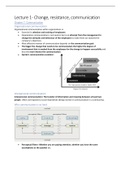
[…] innovatins facilitate the conversion of market-oriented business philosophy into superior
corporate performance (Han et al. JM 1988)
Market orientation Innovation
Performance
i.e. innovation is one way of implementing market orientation
Competing on…
- Differentiation (3) = On the product itself; On additional services & On brand/image
- Price
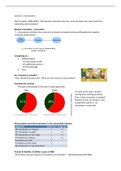
Which strategy do you prefer?
Are A-brands in trouble?
They should innovate more. There are too many me-too products. (Bas Keibek, CEo of consultancy
firm OC&C (cited in Intermediair)
Innovation for survival
Products introduced in last 5 years generate: Sales (41 percent in new products and 59 in existing
products) and Profits (39 percent in new products & 61 in existing products) (Hultink and Robben,
JPIM 1995)
New products and sales promotion in the automobile industry
Impact of… short run long run
NP introduction on revenue + ++ NP
introduction on profit + ++
NP introduction on firm value + ++
Promotions on revenue + ++
Promotions on profit + -
Promotions on firm value + -
NP intro on use promotions - Source: Pauwels et al. (JM 2004); + = positive impact, ++ =
strong positive impact, - = negative impact
P&G: $2 billion a year on R&D - Promotions may win quarters, innovation wins decades (Bob
McDonald, CEO P&G)
Importance of new products (3) = Facilitates implementing market orientation; Needed for
differentiating from competitors & Needed for LT performance/survival
So what is the problem? I.e. why a course on marketing & innovation?
Inertia = Keep on doing the same thing, absence of change. But, by definition, innovation is change
(3) = For the customers, For the firm & For the firm’s context
2
Lecture Notes + Articles Marketing & Innovation
,
, lOMoAR cPSD| 6901498
Inhoudsopgave
Marketing and Innovation ................................................................................................................................ 2
Lecture 1 – Introduction ...................................................................................................................................... 2
Lecture 2 – The Curse of Success ......................................................................................................................... 4
Article 1: Tripsas et al. ......................................................................................................................................... 4
Article 2: Hillebrand et al. .................................................................................................................................... 4
Lecture 3 – Adoption ........................................................................................................................................... 9
Article 3: Hubert et al...................................................................................................................................... 9
Article 4: Mani & Chouck .............................................................................................................................. 10
Lecture 4 – The NPD process and the role of marketing in that process ........................................................... 16
Article 5: Workman ....................................................................................................................................... 16
Article 6: Evanschitzky et al. .......................................................................................................................... 17
Article 7: Roberts et al. ................................................................................................................................. 17
Lecture 5 – NPD in ecosystems .......................................................................................................................... 21
Article 8: Berends et al. ................................................................................................................................. 21
Article 9: Nenonen et al. ............................................................................................................................... 22
Lecture 6 – The fuzzy front-end Part I................................................................................................................ 26
Article 10: Van Kleef et al. ............................................................................................................................. 26
Article 11: Hauser ......................................................................................................................................... 27
Article 12: Bitner et al. .................................................................................................................................. 27
Lecture 7 – The fuzzy front-end Part II............................................................................................................... 35
Article 13: Fuller et al. ................................................................................................................................... 35
Article 14: Gatzweiler et al. ........................................................................................................................... 35
Article 15: Schweisfurth ................................................................................................................................ 36
Lecture 8 – Testing and forecasting ................................................................................................................... 42
Article 16: Eliëns et al.................................................................................................................................... 42
Lecture 9– Product launch ................................................................................................................................. 48
Article 17: Guiltinan ...................................................................................................................................... 48
Article 18: Golder & Tellis ............................................................................................................................. 49
Article 19: Sorescu et al. ............................................................................................................................... 49
Lecture 10– After the launch ............................................................................................................................. 54
Article 20: Kuester et al. ................................................................................................................................ 54
Article 21: Homburg et al. ............................................................................................................................. 54
And now… the exam .......................................................................................................................................... 61
1
, lOMoAR cPSD| 6901498
Marketing and Innovation
Lecture 1 – Introduction
Peter Drucker (1909 – 2005): ’Any business enterprise has two, and only these two, basic functions:
marketing and innovation’ (1954, p.37)
Market orientation – innovation
[…] innovatins facilitate the conversion of market-oriented business philosophy into superior
corporate performance (Han et al. JM 1988)
Market orientation Innovation
Performance
i.e. innovation is one way of implementing market orientation
Competing on…
- Differentiation (3) = On the product itself; On additional services & On brand/image
- Price
Which strategy do you prefer?
Are A-brands in trouble?
They should innovate more. There are too many me-too products. (Bas Keibek, CEo of consultancy
firm OC&C (cited in Intermediair)
Innovation for survival
Products introduced in last 5 years generate: Sales (41 percent in new products and 59 in existing
products) and Profits (39 percent in new products & 61 in existing products) (Hultink and Robben,
JPIM 1995)
New products and sales promotion in the automobile industry
Impact of… short run long run
NP introduction on revenue + ++ NP
introduction on profit + ++
NP introduction on firm value + ++
Promotions on revenue + ++
Promotions on profit + -
Promotions on firm value + -
NP intro on use promotions - Source: Pauwels et al. (JM 2004); + = positive impact, ++ =
strong positive impact, - = negative impact
P&G: $2 billion a year on R&D - Promotions may win quarters, innovation wins decades (Bob
McDonald, CEO P&G)
Importance of new products (3) = Facilitates implementing market orientation; Needed for
differentiating from competitors & Needed for LT performance/survival
So what is the problem? I.e. why a course on marketing & innovation?
Inertia = Keep on doing the same thing, absence of change. But, by definition, innovation is change
(3) = For the customers, For the firm & For the firm’s context
2