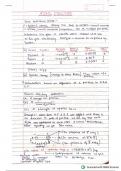
Week 1: Digestive system
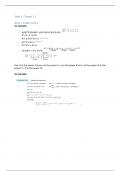
Mass flow of nutrients
Nutritional input Physiological output Metabolism
Total daily intake (kJ) Physiological status Δ Metabolic pathways
Meal size, pattern Health status Δ Energetic efficiencies
Nutrient composition Environment ➢ Δ Body composition
- Waste products
Nutritional physiology = metabolism balances
nutritional input and physiological output
➢ macronutrients
○ movement through body
○ regulation of movement
○ physiology benefits
○ leaves the body
➢ fate of food after eating
○ digestion/absorption
○ storage
○ utilisation
Digestion
Why no self-digestion?
➢ Activity restricted to presence of food
➢ Regulation (local, distal, proximal)
➢ Enzymes stored as inactive proenzymes (zymogens)
➢ Non-digestible mucus coats the walls
➢ High replacement rate (turnover) of mucosal cells
Intermediary metabolism
➢ Interconversion of monomers
(e.g. glucose to AA)
➢ anabolic reactions
➢ catabolic reaction
, PP = post prandial = after eating PA = post absorption
- digestion - utilisation
- absorption
- Storage (Protein > Fats or CHO)
ME = metabolisable energy
5-20% of ME is directly released as heat
Diet‐induced Thermogenesis (DIT)
Effects depend on ingested nutrients:
proteins > carbohydrates > fat
INPUT > NEEDS → ANABOLIC or
INPUT < NEEDS → MOBILIZATION
CATABOLIC DISPOSAL
(Turnover, interconversion, oxidation)
(Storage, interconversion, oxidation)
Homeostasis
= ability of an organism to counteract (within limits of the metabolic scope) factor that disturb
vital functions
- glucose concentration in blood
- pH in the blood (acid/base balance)
- oxygen supply (cardiac output, respiration)
- body temperature (thermoregulation)
,Digestive system - Anatomy
➢ Mouth
➢ Oesophagus
➢ Stomach
➢ Small Intestine
○ duodenum = digestion
○ jejunum = absorption
○ ileum
➢ Large Intestine
○ fermentation
○ absorption of water/ions
➢ Rectum
➢ Anus
➢ Accessory digestive organs
○ teeth, tongue, salivary
glands
○ exocrine pancreas (lumen is seen as outside world)
○ liver, gallbladder
Villus SI
- enterocytes → absorption
- goblet cell → mucus cell
Layers lumen
- serosa → protective layers
- muscularis → segmental contraction
- submucosa → vascular layer (support)
- mucosa → secretion and absorption
, Digestive system - Communication
Enteric Nervous System (ENS)
= nervous system of the GI tract
Endocrine Neurocrine Paracrine
via circulation (blood), via neurons (CNS) releasing local cell-to-cell
hormones messengers, communication
neurotransmitters
Digestive system - Motor behaviour
segmentation due to peristaltic behaviour → regulated by neurons
Digestive system - MMC
MMC = migrating motor complex
during interdigestive phase there are periodic bursts
of organ responses
- Phase I 40 min Rest
- Phase II 40 min Start peristalsis
- Phase III 10 min Max. peristalsis
Prevention of bacterial stasis
Final cleaning non-digestible parts
Mass flow of nutrients
Nutritional input Physiological output Metabolism
Total daily intake (kJ) Physiological status Δ Metabolic pathways
Meal size, pattern Health status Δ Energetic efficiencies
Nutrient composition Environment ➢ Δ Body composition
- Waste products
Nutritional physiology = metabolism balances
nutritional input and physiological output
➢ macronutrients
○ movement through body
○ regulation of movement
○ physiology benefits
○ leaves the body
➢ fate of food after eating
○ digestion/absorption
○ storage
○ utilisation
Digestion
Why no self-digestion?
➢ Activity restricted to presence of food
➢ Regulation (local, distal, proximal)
➢ Enzymes stored as inactive proenzymes (zymogens)
➢ Non-digestible mucus coats the walls
➢ High replacement rate (turnover) of mucosal cells
Intermediary metabolism
➢ Interconversion of monomers
(e.g. glucose to AA)
➢ anabolic reactions
➢ catabolic reaction
, PP = post prandial = after eating PA = post absorption
- digestion - utilisation
- absorption
- Storage (Protein > Fats or CHO)
ME = metabolisable energy
5-20% of ME is directly released as heat
Diet‐induced Thermogenesis (DIT)
Effects depend on ingested nutrients:
proteins > carbohydrates > fat
INPUT > NEEDS → ANABOLIC or
INPUT < NEEDS → MOBILIZATION
CATABOLIC DISPOSAL
(Turnover, interconversion, oxidation)
(Storage, interconversion, oxidation)
Homeostasis
= ability of an organism to counteract (within limits of the metabolic scope) factor that disturb
vital functions
- glucose concentration in blood
- pH in the blood (acid/base balance)
- oxygen supply (cardiac output, respiration)
- body temperature (thermoregulation)
,Digestive system - Anatomy
➢ Mouth
➢ Oesophagus
➢ Stomach
➢ Small Intestine
○ duodenum = digestion
○ jejunum = absorption
○ ileum
➢ Large Intestine
○ fermentation
○ absorption of water/ions
➢ Rectum
➢ Anus
➢ Accessory digestive organs
○ teeth, tongue, salivary
glands
○ exocrine pancreas (lumen is seen as outside world)
○ liver, gallbladder
Villus SI
- enterocytes → absorption
- goblet cell → mucus cell
Layers lumen
- serosa → protective layers
- muscularis → segmental contraction
- submucosa → vascular layer (support)
- mucosa → secretion and absorption
, Digestive system - Communication
Enteric Nervous System (ENS)
= nervous system of the GI tract
Endocrine Neurocrine Paracrine
via circulation (blood), via neurons (CNS) releasing local cell-to-cell
hormones messengers, communication
neurotransmitters
Digestive system - Motor behaviour
segmentation due to peristaltic behaviour → regulated by neurons
Digestive system - MMC
MMC = migrating motor complex
during interdigestive phase there are periodic bursts
of organ responses
- Phase I 40 min Rest
- Phase II 40 min Start peristalsis
- Phase III 10 min Max. peristalsis
Prevention of bacterial stasis
Final cleaning non-digestible parts