CFHP NMCPHC-HC-1.0 HEARING CONSERVATION-SECTION 100 WITH VERIFIED SOLUTIONS
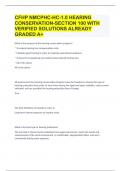
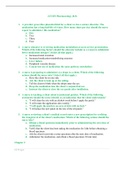
What is the purpose of the hearing conservation program? * To reduce hearing loss compensation costs * Maintain good hearing in order to maximize operational readiness * To prevent occupational Lee related noise-induced hearing loss * All of the above All of the above All personnel in the Hearing Conservation Program have the freedom to choose the type of hearing protection they prefer to wear from among the approved types available, unless contra-indicated, and are provided the hearing protection free of charge. True The best definition of hazardous noise is: Long-term intense exposure to impulse noise. What is the best type of hearing protection? The one that is chosen by the individual from approved sources, meets the needs and requirements of the work environment, is comfortable, appropriately fitted, and worn consistently during noise exposure. The impairment caused by a noise-induced sensorineural hearing loss can essentially be reversed through the use of modern hearing aids. False Which of the following might be signs of a noise-induced hearing loss? All of the above Non-occupational noise does not result in hearing loss. False What two factors determine whether noise is hazardous to hearing? Intensity and duration Who is required to have an annual hearing test? All personnel who are routinely exposed to hazardous noise at work and are enrolled in the Hearing Conservation Program What effect does long-term noise exposure have on individuals? All of the above. Noise-induced hearing loss is: Both C and D The best definition of hazardous noise is: greater than 85 dBA and greater than or equal to 140 dBP.> 84 dBA and > 140 dBP What are the four Ps of occupational noise induced hearing loss? Permanent, painless, preventable, progressive Which frequency range of human hearing is most affected by hazardous noise? 3,000 - 6,000 Hz What part of the ear is damaged as a result of hazardous noise? Inner ear Which of the following are elements of the Hearing Conservation Program? All of the above Who provides hearing protection for personnel who are routinely exposed to occupational noise exposure and who are enrolled in the Hearing Conservation Program? Unit or shop where the noise-exposed personnel are employed Annual hearing conservation education is required for: All noise-exposed personnel in the hearing conservation program Double protection must be worn when continuous noise levels exceed: 104 dBA Pre-formed earplugs: Both C and D What type of hearing test does a person leaving the Navy receive? Termination Hearing loss can affect job retention and exclude workers from certain career fields. True Who is required to have an annual hearing test? All personnel who are routinely exposed to hazardous noise at work and are enrolled in the Hearing Conservation Program True or False: Prolonged exposure to hazardous noise will never lead to fatigue. False What part of the ear contains the eardrum? * Middle Ear * Outer Ear * Central Nervous System * Inner Ear Middle Ear What effect does long-term noise exposure have on individuals? * Permanent sensorineural hearing loss * isolation and withdrawal from social situations * Tinnitus * All of the above All of the above.
Written for
- Institution
- GOVERNMENT TRAVEL CARD 001
- Course
- GOVERNMENT TRAVEL CARD 001
Document information
- Uploaded on
- December 16, 2023
- Number of pages
- 5
- Written in
- 2023/2024
- Type
- Exam (elaborations)
- Contains
- Questions & answers
Subjects
-
cfhp nmcphc hc 10 hearing conservation section

Also available in package deal