PATH 370 Quiz 1: Questions & Answers (Solved): Updated Solution
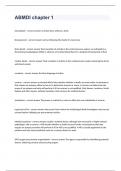
Proto-oncogenes (Ans- normal cellular genes that promote growth The hypermetabolic state leading to cachexia in terminal cancer is thought to be because of (Ans- tumor necrosis factor Metaplasia is (Ans- the replacement of one differentiated cell type with another Persistence of the alarm stage will ultimately result in (Ans- permanent damage and death The cellular component that is most susceptible to radiation injury is the (Ans- DNA The cellular response indicative of injury because of faulty metabolism is (Ans- intracellular accumulations C.Q. was recently exposed to group A hemolytic Streptococcus and subsequently developed a pharyngeal infection. His clinic examination reveals an oral temperature of 102.3°F, skin rash, dysphagia, and reddened throat mucosa with multiple pustules. He complains of sore throat, malaise, and joint stiffness. A throat culture is positive for Streptococcus, and antibiotics have been prescribed. The etiology of C.Q.'s disease is (Ans- streptococcal infection After suffering a heart attack, a middle-aged man is counseled to take a cholesterol-lowering medication. This is an example of (Ans- tertiary prevention An obese but otherwise healthy teen is given a prescription for a low-calorie diet and exercise pro
Written for
- Institution
- PATH 370
- Course
- PATH 370
Document information
- Uploaded on
- November 28, 2023
- Number of pages
- 6
- Written in
- 2023/2024
- Type
- Exam (elaborations)
- Contains
- Questions & answers
Subjects
- proto oncogenes
-
the hypermetabolic state leading to cachexia in te
-
metaplasia is ans the replacement of one differ

Also available in package deal