
11/17/23, 1:51 PM 2nd ngn - Next generation question to study for unit exams
9.) A 67-year-old male client who had been living at home with end-stage
cirrhosis presents to the emergency department today after having noticed
black tarry stools. He was consequently diagnosed with GI bleeding, anemia,
and ascites. The nurse is preparing to transfuse packed red blood
cells. Indicate whether the nursing actions below
are Indicated (appropriate or necessary), Contraindicated (could be
harmful), or Non-Essential (make no difference or are not
necessary).
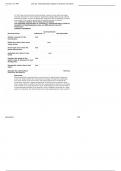
CORRECT ANSWERS:
Contraindicate
Nursing Action Indicated d Non-Essential
Obtain consent for the Ind
transfusion.
Bathe the client with warm con
soapy water.
Draw type and screen for Ind
blood transfusion.
Ambulate the client to the con
toilet.
Position the head of the Ind
client's bed at between 45 and
60 degrees.
Frequently check client vital Ind
signs.
Educate the client about Non-ess
incentive spirometry.
Rationale:
Blood transfusion requires that a consent form be signed and a type and
screen be drawn before the transfusion can begin. During the transfusion,
the nurse would check the client's vital signs frequently to evaluate for
transfusion reactions—either anaphylaxis or fluid volume overload. Using
warm soapy water to bathe the client can exacerbate his pruritus; cool water
and minimal or no soap should be used. Ambulating the client to the toilet is
contraindicated because of his anemia; using a bedside commode is a safer
option for toileting. The head of the bed can be positioned for client comfort.
about:blank 1/24
,11/17/23, 1:51 PM 2nd ngn - Next generation question to study for unit exams
The client has not displayed signs of pneumonia, so incentive spirometry
education is non-essential at this time.
14.) An 83-year-old female client was transferred to the medical ICU from a skilled
nursing facility with report of weakness, shortness of breath, black tarry stool, and
pallor. On arrival at the hospital, her hemoglobin level was 4.8 g/dL (2.9 mmol/L).
The client was diagnosed with GI bleeding and hypovolemic shock. The nurse
infuses 4 units of packed red blood cells and 2 units of platelets and performs a
head-to-toe assessment. Selected client assessment findings are presented in the
table.
At
Vital Signs Admission 1 Hour After Transfusion
Heart rate 125 125 beats/min
beats/min
Blood pressure 85/50 mm 160/95 mm Hg
Hg
Respirations 32 28 breaths/min
breaths/min
Oxygen saturation 88% (on 2 L 88% (on 4 L nasal cannula)
nasal
cannula)
Temperature 97.0°F 99.0°F (37.2°C)
(36.1°C
Physical Assessment Findings
Glasgow Coma Scale 14
score
PERRLA 3 mm and reactive to light
Level of consciousness Alert
Orientation 2/3 (oriented to person and place)
Heart sounds S1/S2 present
Lung sounds Crackles bilaterally in lower lobes
Pulses—Radial +3
Bowel sounds Present and active x 4
Edema Absent
Pulses—Pedal +3
Skin Clean, dry, and inta
about:blank 2/24
, 11/17/23, 1:51 PM 2nd ngn - Next generation question to study for unit exams
At
Vital Signs Admission 1 Hour After Transfusion
Hand grasp Equal and strong
Foot strength Equal and strong
Rationale:
The client is exhibiting signs of transfusion-related circulatory overload (TACO).
Hypertension and the bounding pedal pulses are related to the increase in
circulatory volume. Gas exchange is not effective because the lungs are taking on
the extra volume and not able to move oxygen into the system or carbon dioxide
out of the system. This lack of exchange manifests as increased work of breathing,
increased oxygen demands, increased temperature, crackles in the lungs,
decreased orientation, and decreased Glasgow Coma Scale scores. Clients with
TACO will also be restless and exhibit distended jugular veins.
16.) A 66-year-old male client was driven by his wife to the
emergency department because he injured his back at work and
can hardly stand upright. After an evaluation of his back pain, the
primary health care provider prescribed the following:
Cyclobenzaprine 5 mg orally three times a day
Naproxen 500 mg orally every 12 hours
Use ice/heat applications as instructed
Follow up with personal primary health care provider
What health care teaching would the nurse include for the client
and his wife related to drug therapy? Select all that apply.
YOUR ANSWERS:
A Take your medications on an empty stomach to help reduce GI distress."
B "Avoid drinking alcohol while you are taking these medications."
C "Report any unusual bleeding or bruising to your primary health care
provider."
D "Be aware that you may feel a little drowsy after the first few doses of the
cyclobenzaprine."
E "Report any blurred vision or urinary retention to your primary health care
provider."
F "Try to eat more high-fiber foods and drink more water while on these
drugs."
G "Follow up with the laboratory testing to monitor your liver while on these
drugs."
H "Report any chest discomfort or palpitations to your primary health care
provider."
about:blank 3/24
9.) A 67-year-old male client who had been living at home with end-stage
cirrhosis presents to the emergency department today after having noticed
black tarry stools. He was consequently diagnosed with GI bleeding, anemia,
and ascites. The nurse is preparing to transfuse packed red blood
cells. Indicate whether the nursing actions below
are Indicated (appropriate or necessary), Contraindicated (could be
harmful), or Non-Essential (make no difference or are not
necessary).
CORRECT ANSWERS:
Contraindicate
Nursing Action Indicated d Non-Essential
Obtain consent for the Ind
transfusion.
Bathe the client with warm con
soapy water.
Draw type and screen for Ind
blood transfusion.
Ambulate the client to the con
toilet.
Position the head of the Ind
client's bed at between 45 and
60 degrees.
Frequently check client vital Ind
signs.
Educate the client about Non-ess
incentive spirometry.
Rationale:
Blood transfusion requires that a consent form be signed and a type and
screen be drawn before the transfusion can begin. During the transfusion,
the nurse would check the client's vital signs frequently to evaluate for
transfusion reactions—either anaphylaxis or fluid volume overload. Using
warm soapy water to bathe the client can exacerbate his pruritus; cool water
and minimal or no soap should be used. Ambulating the client to the toilet is
contraindicated because of his anemia; using a bedside commode is a safer
option for toileting. The head of the bed can be positioned for client comfort.
about:blank 1/24
,11/17/23, 1:51 PM 2nd ngn - Next generation question to study for unit exams
The client has not displayed signs of pneumonia, so incentive spirometry
education is non-essential at this time.
14.) An 83-year-old female client was transferred to the medical ICU from a skilled
nursing facility with report of weakness, shortness of breath, black tarry stool, and
pallor. On arrival at the hospital, her hemoglobin level was 4.8 g/dL (2.9 mmol/L).
The client was diagnosed with GI bleeding and hypovolemic shock. The nurse
infuses 4 units of packed red blood cells and 2 units of platelets and performs a
head-to-toe assessment. Selected client assessment findings are presented in the
table.
At
Vital Signs Admission 1 Hour After Transfusion
Heart rate 125 125 beats/min
beats/min
Blood pressure 85/50 mm 160/95 mm Hg
Hg
Respirations 32 28 breaths/min
breaths/min
Oxygen saturation 88% (on 2 L 88% (on 4 L nasal cannula)
nasal
cannula)
Temperature 97.0°F 99.0°F (37.2°C)
(36.1°C
Physical Assessment Findings
Glasgow Coma Scale 14
score
PERRLA 3 mm and reactive to light
Level of consciousness Alert
Orientation 2/3 (oriented to person and place)
Heart sounds S1/S2 present
Lung sounds Crackles bilaterally in lower lobes
Pulses—Radial +3
Bowel sounds Present and active x 4
Edema Absent
Pulses—Pedal +3
Skin Clean, dry, and inta
about:blank 2/24
, 11/17/23, 1:51 PM 2nd ngn - Next generation question to study for unit exams
At
Vital Signs Admission 1 Hour After Transfusion
Hand grasp Equal and strong
Foot strength Equal and strong
Rationale:
The client is exhibiting signs of transfusion-related circulatory overload (TACO).
Hypertension and the bounding pedal pulses are related to the increase in
circulatory volume. Gas exchange is not effective because the lungs are taking on
the extra volume and not able to move oxygen into the system or carbon dioxide
out of the system. This lack of exchange manifests as increased work of breathing,
increased oxygen demands, increased temperature, crackles in the lungs,
decreased orientation, and decreased Glasgow Coma Scale scores. Clients with
TACO will also be restless and exhibit distended jugular veins.
16.) A 66-year-old male client was driven by his wife to the
emergency department because he injured his back at work and
can hardly stand upright. After an evaluation of his back pain, the
primary health care provider prescribed the following:
Cyclobenzaprine 5 mg orally three times a day
Naproxen 500 mg orally every 12 hours
Use ice/heat applications as instructed
Follow up with personal primary health care provider
What health care teaching would the nurse include for the client
and his wife related to drug therapy? Select all that apply.
YOUR ANSWERS:
A Take your medications on an empty stomach to help reduce GI distress."
B "Avoid drinking alcohol while you are taking these medications."
C "Report any unusual bleeding or bruising to your primary health care
provider."
D "Be aware that you may feel a little drowsy after the first few doses of the
cyclobenzaprine."
E "Report any blurred vision or urinary retention to your primary health care
provider."
F "Try to eat more high-fiber foods and drink more water while on these
drugs."
G "Follow up with the laboratory testing to monitor your liver while on these
drugs."
H "Report any chest discomfort or palpitations to your primary health care
provider."
about:blank 3/24


