

11/17/23, 8:39 AM NUR 211 Exam 2 Study Guide - Google Docs
Tuberculosis
What is TB?
● Highly communicable infection caused by the Mycobacterium Tuberculosis organism
● Slow growing, Acid-fast rod bacteria
● Transmitted via aerosolization/airborne droplets
● There is an active form and a latent form
● Common secondary infection in persons w/ HIV/AIDs
Patho
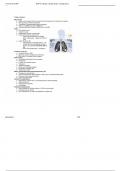
● MTb droplet nuclei
● Implant in lungs
● Inflammatory process - pneumonitis
● Small lesions (primary lesion) form
○ Lesions are surrounded by collagen,
fibrin, lymphocytes… appear scar-like on
CXR
● Latent TB/Active TB
○ Asymptomatic in the latent phase… can
remain latent (not contagious) for days,
months, & years! Can reactivate later in
life.
○ Active TB (symptomatic) = contagious
Incidence in the US
● Lowest level since 1953
● More new cases in foreign-born individuals
● Risk higher in immigrants and refugees
Risk Factors
● HIV/AIDS/compromised immune system
● Immigrants
● Poverty and crowded spaces
● Homeless
● Substance abusers
● Elderly and debilitated patients
● No access to medical care
● Health care workers
Millary (small/millet seed) and Extrapulmonary TB
● Progressive, disseminated.
● Occurs during primary dissemination or after years of untreated tuberculosis.
● Common in immunocompromised.
● Can involve any organ
Geriatric Considerations
● Reactivation of latent TB by comorbidities later in life like diabetes
● Vague symptoms
● Nursing home residents
● Hospitalized
Pediatric Considerations
● Active disease can develop before (+) PPD skin test results
● Immature immune system
● HIV, malignancies, or organ transplantation at higher risk
about:blank 1/38
,11/17/23, 8:39 AM NUR 211 Exam 2 Study Guide - Google Docs
● Observe taking medications (medication compliance)
● Observe s/s for latent TB
Assessment
● History
○ Signs and/or symptoms
○ Exposure to tuberculosis
○ Living conditions
○ Birthplace
○ Travel
○ Vaccination history
● Physical Assessment/Clinical Manifestations
○ Progressive fatigue & lethargy
○ Unintentional weight loss
○ Low-grade fever
○ Night sweats
○ Hemoptysis (coughing up blood)
○ Persistent cough
○ Crackles/wheezing
○ Chest tightness, ache, dull pain
Clinical Manifestations
● Active TB
○ Fatigue, lethargy
○ weight loss, anorexia
○ afternoon low grade fever, chills
○ Cough with purulent sputum
○ Night sweats and general anxiety
○ Dyspnea, chest pain, and hemoptysis
● Extra pulmonary TB disease
○ Common in HIV
○ Symptoms depend on organ affected
■ Neurologic (confusion & lethargy)
■ Musculoskeletal (joint pain)
■ Urinary
■ Lymphatic (swollen lymph nodes)
■ Respiratory (chest pain, pleural/pericardial rub
& dyspnea)
Psychosocial Assessment
● The client is: anxious, afraid of the unknown, isolated, overwhelmed by information
● Assess their ability to learn and their support and resources
● Possible language barriers
● Ability to afford lengthy medication regimen
Diagnostics
● Labs (not indicative of active)
○ Sputum analysis (rapid results in 2 hrs… cultures may take up to 4 weeks to
result)
○ Blood (QuaniFERON Gold & TSPOT and Xpert MTB/RIF - allows the detection
of drug resistant TB)
about:blank 2/38
,11/17/23, 8:39 AM NUR 211 Exam 2 Study Guide - Google Docs
○Tuberculin test (PPD <skin= test. Most commonly used. Induration >=10 mm (+)
… 5 mm in immunocompromised clients)
● Imaging - CXR after positive test result… detects active TB or old/healed lesions.
Planning and Implementation/Responding
● Promote airway clearance
● Decrease drug resistance and infection spread (complete Antx)
○ Combination drug therapy with strict adherence
■ Isoniazid
■ Rifampin
■ Pyrazinamide
■ Ethambutol
○ Negative sputum culture
● Manage anxiety
● Improve nutrition
● Manage fatigue
Interventions
● Infection control and compliance
● Screening close contacts (test all clients close contacts)
● Medication compliance and monitoring (finish Antx to decrease risk of drug resistance)
● Long-term therapy
● Nutritional status
● Alcohol/drug use (NO!)
● Low cost treatment centers
● Counselling and support centers
Interventions in the hospital
● Maintain airborne isolation precautions & proper PPE
○ Negative pressure room & N 95
● Medication
○ Combination drug therapy with strict adherence:
○ Isoniazid
○ Rifampin
about:blank 3/38
, 11/17/23, 8:39 AM NUR 211 Exam 2 Study Guide - Google Docs
○ Pyrazinamide
○ Ethambutol
● Supplemental Oxygen (when the client is admitted to their own private room, we will
switch them over from their O2 to wall O2)
● Monitor labs, sputum cultures
● Turn, cough, deep breathing
● Incentive spirometer
● Promote nutrition
● Teach hand hygiene and tissue use/disposal
● Manage fatigue
● Reduce anxiety
● Provide education
● Smoking cessation
● Encourage close contacts to be tested
Possibly <Priority= Question… What order would you complete these interventions?
● Move to negative pressure room
● Switch from their O2 cylinder to <wall= O2
● Obtain labs/cultures
● Antx
● Follow with all other interventions (TCDB, IS, nutrition, smoking cessation)
Follow-up care
● Screening/Monitoring close contacts
● Drug Regimen Monitoring/Support/Education
● Follow-up visits (x-ray, labs-liver & kidney function, vision test)
● Coordinating social support services
○ Housing
○ Food
○ Mental Health
○ Financial assistance with medication
Multidrug Resistant TB (MDR TB)
● HIV patients
● Resistant to INH and Rifampin
● Limited drug therapies with higher doses
● Nurses must teach patients that absolute adherence to drug therapy is required
○ FINISH THE ANTX
○ Health departments/Social services key in prevention of MDR TB
Drug Therapy
● Drugs given in combinations
○ Single-drug therapy ineffective
● Multidrug therapy
○ Decreases bacterial resistance to drug
○ Shortens treatment time
■ (Single drug therapy over 2 years!)
● Client not contagious after 2-3 weeks consecutive therapy
● Treatment can be for 26 weeks to 2 years!
● S/E: HA, dizziness, confusion, GI distress, peripheral neuropathy, ocular toxicity,
nephrotoxicity, hepatotoxicity, thrombocytopenia (risk for bleeding), respiratory
depression.
about:blank 4/38
Tuberculosis
What is TB?
● Highly communicable infection caused by the Mycobacterium Tuberculosis organism
● Slow growing, Acid-fast rod bacteria
● Transmitted via aerosolization/airborne droplets
● There is an active form and a latent form
● Common secondary infection in persons w/ HIV/AIDs
Patho
● MTb droplet nuclei
● Implant in lungs
● Inflammatory process - pneumonitis
● Small lesions (primary lesion) form
○ Lesions are surrounded by collagen,
fibrin, lymphocytes… appear scar-like on
CXR
● Latent TB/Active TB
○ Asymptomatic in the latent phase… can
remain latent (not contagious) for days,
months, & years! Can reactivate later in
life.
○ Active TB (symptomatic) = contagious
Incidence in the US
● Lowest level since 1953
● More new cases in foreign-born individuals
● Risk higher in immigrants and refugees
Risk Factors
● HIV/AIDS/compromised immune system
● Immigrants
● Poverty and crowded spaces
● Homeless
● Substance abusers
● Elderly and debilitated patients
● No access to medical care
● Health care workers
Millary (small/millet seed) and Extrapulmonary TB
● Progressive, disseminated.
● Occurs during primary dissemination or after years of untreated tuberculosis.
● Common in immunocompromised.
● Can involve any organ
Geriatric Considerations
● Reactivation of latent TB by comorbidities later in life like diabetes
● Vague symptoms
● Nursing home residents
● Hospitalized
Pediatric Considerations
● Active disease can develop before (+) PPD skin test results
● Immature immune system
● HIV, malignancies, or organ transplantation at higher risk
about:blank 1/38
,11/17/23, 8:39 AM NUR 211 Exam 2 Study Guide - Google Docs
● Observe taking medications (medication compliance)
● Observe s/s for latent TB
Assessment
● History
○ Signs and/or symptoms
○ Exposure to tuberculosis
○ Living conditions
○ Birthplace
○ Travel
○ Vaccination history
● Physical Assessment/Clinical Manifestations
○ Progressive fatigue & lethargy
○ Unintentional weight loss
○ Low-grade fever
○ Night sweats
○ Hemoptysis (coughing up blood)
○ Persistent cough
○ Crackles/wheezing
○ Chest tightness, ache, dull pain
Clinical Manifestations
● Active TB
○ Fatigue, lethargy
○ weight loss, anorexia
○ afternoon low grade fever, chills
○ Cough with purulent sputum
○ Night sweats and general anxiety
○ Dyspnea, chest pain, and hemoptysis
● Extra pulmonary TB disease
○ Common in HIV
○ Symptoms depend on organ affected
■ Neurologic (confusion & lethargy)
■ Musculoskeletal (joint pain)
■ Urinary
■ Lymphatic (swollen lymph nodes)
■ Respiratory (chest pain, pleural/pericardial rub
& dyspnea)
Psychosocial Assessment
● The client is: anxious, afraid of the unknown, isolated, overwhelmed by information
● Assess their ability to learn and their support and resources
● Possible language barriers
● Ability to afford lengthy medication regimen
Diagnostics
● Labs (not indicative of active)
○ Sputum analysis (rapid results in 2 hrs… cultures may take up to 4 weeks to
result)
○ Blood (QuaniFERON Gold & TSPOT and Xpert MTB/RIF - allows the detection
of drug resistant TB)
about:blank 2/38
,11/17/23, 8:39 AM NUR 211 Exam 2 Study Guide - Google Docs
○Tuberculin test (PPD <skin= test. Most commonly used. Induration >=10 mm (+)
… 5 mm in immunocompromised clients)
● Imaging - CXR after positive test result… detects active TB or old/healed lesions.
Planning and Implementation/Responding
● Promote airway clearance
● Decrease drug resistance and infection spread (complete Antx)
○ Combination drug therapy with strict adherence
■ Isoniazid
■ Rifampin
■ Pyrazinamide
■ Ethambutol
○ Negative sputum culture
● Manage anxiety
● Improve nutrition
● Manage fatigue
Interventions
● Infection control and compliance
● Screening close contacts (test all clients close contacts)
● Medication compliance and monitoring (finish Antx to decrease risk of drug resistance)
● Long-term therapy
● Nutritional status
● Alcohol/drug use (NO!)
● Low cost treatment centers
● Counselling and support centers
Interventions in the hospital
● Maintain airborne isolation precautions & proper PPE
○ Negative pressure room & N 95
● Medication
○ Combination drug therapy with strict adherence:
○ Isoniazid
○ Rifampin
about:blank 3/38
, 11/17/23, 8:39 AM NUR 211 Exam 2 Study Guide - Google Docs
○ Pyrazinamide
○ Ethambutol
● Supplemental Oxygen (when the client is admitted to their own private room, we will
switch them over from their O2 to wall O2)
● Monitor labs, sputum cultures
● Turn, cough, deep breathing
● Incentive spirometer
● Promote nutrition
● Teach hand hygiene and tissue use/disposal
● Manage fatigue
● Reduce anxiety
● Provide education
● Smoking cessation
● Encourage close contacts to be tested
Possibly <Priority= Question… What order would you complete these interventions?
● Move to negative pressure room
● Switch from their O2 cylinder to <wall= O2
● Obtain labs/cultures
● Antx
● Follow with all other interventions (TCDB, IS, nutrition, smoking cessation)
Follow-up care
● Screening/Monitoring close contacts
● Drug Regimen Monitoring/Support/Education
● Follow-up visits (x-ray, labs-liver & kidney function, vision test)
● Coordinating social support services
○ Housing
○ Food
○ Mental Health
○ Financial assistance with medication
Multidrug Resistant TB (MDR TB)
● HIV patients
● Resistant to INH and Rifampin
● Limited drug therapies with higher doses
● Nurses must teach patients that absolute adherence to drug therapy is required
○ FINISH THE ANTX
○ Health departments/Social services key in prevention of MDR TB
Drug Therapy
● Drugs given in combinations
○ Single-drug therapy ineffective
● Multidrug therapy
○ Decreases bacterial resistance to drug
○ Shortens treatment time
■ (Single drug therapy over 2 years!)
● Client not contagious after 2-3 weeks consecutive therapy
● Treatment can be for 26 weeks to 2 years!
● S/E: HA, dizziness, confusion, GI distress, peripheral neuropathy, ocular toxicity,
nephrotoxicity, hepatotoxicity, thrombocytopenia (risk for bleeding), respiratory
depression.
about:blank 4/38


