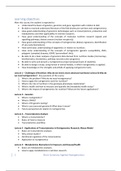
Learning objectives
After this course, the student is expected to:
• Understand the basics of genetics, genomics and gene regulation with relation to diet;
• Be able to read and understand literature of the field (molecular nutrition and nutrigenomics);
• Have good understanding of genomics technologies such as transcriptomics, proteomics and
metabolomics and their applicability in nutrition research;
• Have good understanding of the concepts of molecular nutrition research (signals and
signalling pathways, dietary sensors (nuclear receptors));
• Have good understanding of the concepts of nutrigenomics (dietary signatures, identification
of very early biomarkers);
• Have some basic understanding of epigenetics in relation to nutrition;
• Have some understanding of the concepts of nutrigenetics (genetic susceptibility, SNPs,
polygenic (complex) diseases, GWAS ‘personalised’ diet);
• Be able to do a basic analyses of genomics data derived from nutrition studies (microarrays,
bioinformatics, biostatistics, pathway reconstruction programs);
• Be able to write and present a nutrigenomics project proposal (team of students);
• Be able to design a study, using human or animal models, in which nutrigenomics is applied;
• Have knowledge on the strengths and pitfalls of applying nutrigenomic tools.
Lecture 1 – Challenges of Nutrition: Why do we need a more advanced nutritional science & Why do
we need nutrigenomics? - Key questions of the course
1. What is the problem? Why do we need nutrigenomics?
2. How to apply the nutrigenomic tools for nutrition?
3. What is the role of nutrition in the genotype-phenotype relationship?
4. What is health and how to measure and quantify the (metabolic) health status?
5. What is the impact of nutrigenomics for nutrition? What are the future applications?
Lecture 2 – Genetics
• What is nutrigenetics?
• What is GWAS?
• What is DTC genetic testing?
• What is your personal genome & What does it mean?
• Future perspectives & relation to nutrigenomics
Lecture 3 – Transcriptomics Analysis
• What is a transcriptome?
• Basics of how to measure
• Transcriptomics workflow
Lecture 3 - Applications of Transcriptomics in Nutrigenomics Research; Mouse Model
• Basics on transcriptome analyses
• Why animal studies?
• Nutritional regulation of the transcriptome
• Application to nutrigenomics
Lecture 5 – Metabolomics Biomarkers for Exposure and Disease/Health
• Basics on metabolomics analyses.
• How to apply metabolomics in nutrition research.
1 Short Summary Applied Nutrigenomics
, • What are dietary exposure biomarkers?
• How to determine diet-related disease biomarkers?
• Example of nutrition intervention biomarkers.
Lecture 6 – Comprehensive phenotyping proteomics
• What is proteomics and how to apply it in nutrition studies?
• Know the new definition of health.
• How to use challenge tests.
• What is comprehensive phenotyping?
• Integration of omics data.
Lecture 7 – Epigenetic effects of nutrition
• Know what the different epigenetic modifications are and how they can affect gene
expression.
• Be able to explain how nutrition can modulate epigenetic modifications and thereby affect
health.
Lecture 8 – Microbiome and Health
• Increase knowledge:
o Microbiome
o Relationship with disease
o Interaction with nutrition and host
• Current state-of-art of research
• Background and examples
Lecture 9 – From Nutrigenomics to Nutritional Science 2.0 to Personalised Nutrition?
• Consequences big data
• Continuous measurement
• Do it yourself
• N of 1 studies
• Precision Nutrition / personalised nutrition
No objectives defined for:
• Lecture 4 – Application of Nutrigenomics in Human Dietary Intervention Studies
• Lecture 5 – Background & applications of mass spectrometry in metabolomics research
• Lecture 6 – Transcriptomics and metabolomics in human skeletal muscle
• Lecture 8 – The effect of modulating the gut microbiome on non-alcoholic fatty liver disease
2 Short Summary Applied Nutrigenomics
, Lecture 1 – Challenges of Nutrition: Why do we need a more advanced
nutritional science & Why do we need nutrigenomics?
Human Nutrition – Challenges
• Malnutrition; in non-western countries also double burden – coexistence of undernutrition
along with overweight and obesity.
Obese and malnourished: too little vitamins etc.
• Worldwide more deaths by non-communicable diseases.
• NCD such as obesity, CVD, diabetes, cancer; prevention by nutrition strategies not effective!
Why?
• Pharma also enter pre-disease area with “safe” drugs (e.g. polypill)
• Personalised diet: not everybody is the same, but the advice you get is on population basis, so
it might not even work for you.
• Industry has no tradition in long term research.
Pharma wants fast results. A lot of investment in medicine, but not in nutrition.
• Health claims (functional foods): most applications are not granted by EFSA.
• Not easy to show health effects of nutrition.
It is in our genes?
An example from the type 2 diabetes components of the Welcome Trust Case Control Consortium
study. The strongest associations are seen on chromosomes 10 (transcription factor 7-like 2; TCF7L2),
16 (fat mass and obesity associated; FTO) and 6 (CDK5 regulatory subunit associated protein 1-like 1;
CDKAL1)
GWAS: Genome Wide Association Studies
Does your DNA determine everything?
Persistent epigenetic differences associated with prenatal exposure to famine in humans (Heijmans et
al.)
• Individuals prenatally exposed to famine during the Dutch Hunger Winter in 1944-45
• 6 decades later: increased incidence of obesity and diabetes
• Altered epigenetics in these individuals compared to their sex-matched older and younger
siblings
Nutrigenomics – why we need it
• To understand how nutrition precisely works evidence-based nutrition
• To quantify the nutritional needs for optimised fitness at different life stages
• To improve early diagnostics of nutrition related disorders
• To support development of “smart food” (healthy and tasty, sustainable, affordable) for
modern mankind
3 Short Summary Applied Nutrigenomics
After this course, the student is expected to:
• Understand the basics of genetics, genomics and gene regulation with relation to diet;
• Be able to read and understand literature of the field (molecular nutrition and nutrigenomics);
• Have good understanding of genomics technologies such as transcriptomics, proteomics and
metabolomics and their applicability in nutrition research;
• Have good understanding of the concepts of molecular nutrition research (signals and
signalling pathways, dietary sensors (nuclear receptors));
• Have good understanding of the concepts of nutrigenomics (dietary signatures, identification
of very early biomarkers);
• Have some basic understanding of epigenetics in relation to nutrition;
• Have some understanding of the concepts of nutrigenetics (genetic susceptibility, SNPs,
polygenic (complex) diseases, GWAS ‘personalised’ diet);
• Be able to do a basic analyses of genomics data derived from nutrition studies (microarrays,
bioinformatics, biostatistics, pathway reconstruction programs);
• Be able to write and present a nutrigenomics project proposal (team of students);
• Be able to design a study, using human or animal models, in which nutrigenomics is applied;
• Have knowledge on the strengths and pitfalls of applying nutrigenomic tools.
Lecture 1 – Challenges of Nutrition: Why do we need a more advanced nutritional science & Why do
we need nutrigenomics? - Key questions of the course
1. What is the problem? Why do we need nutrigenomics?
2. How to apply the nutrigenomic tools for nutrition?
3. What is the role of nutrition in the genotype-phenotype relationship?
4. What is health and how to measure and quantify the (metabolic) health status?
5. What is the impact of nutrigenomics for nutrition? What are the future applications?
Lecture 2 – Genetics
• What is nutrigenetics?
• What is GWAS?
• What is DTC genetic testing?
• What is your personal genome & What does it mean?
• Future perspectives & relation to nutrigenomics
Lecture 3 – Transcriptomics Analysis
• What is a transcriptome?
• Basics of how to measure
• Transcriptomics workflow
Lecture 3 - Applications of Transcriptomics in Nutrigenomics Research; Mouse Model
• Basics on transcriptome analyses
• Why animal studies?
• Nutritional regulation of the transcriptome
• Application to nutrigenomics
Lecture 5 – Metabolomics Biomarkers for Exposure and Disease/Health
• Basics on metabolomics analyses.
• How to apply metabolomics in nutrition research.
1 Short Summary Applied Nutrigenomics
, • What are dietary exposure biomarkers?
• How to determine diet-related disease biomarkers?
• Example of nutrition intervention biomarkers.
Lecture 6 – Comprehensive phenotyping proteomics
• What is proteomics and how to apply it in nutrition studies?
• Know the new definition of health.
• How to use challenge tests.
• What is comprehensive phenotyping?
• Integration of omics data.
Lecture 7 – Epigenetic effects of nutrition
• Know what the different epigenetic modifications are and how they can affect gene
expression.
• Be able to explain how nutrition can modulate epigenetic modifications and thereby affect
health.
Lecture 8 – Microbiome and Health
• Increase knowledge:
o Microbiome
o Relationship with disease
o Interaction with nutrition and host
• Current state-of-art of research
• Background and examples
Lecture 9 – From Nutrigenomics to Nutritional Science 2.0 to Personalised Nutrition?
• Consequences big data
• Continuous measurement
• Do it yourself
• N of 1 studies
• Precision Nutrition / personalised nutrition
No objectives defined for:
• Lecture 4 – Application of Nutrigenomics in Human Dietary Intervention Studies
• Lecture 5 – Background & applications of mass spectrometry in metabolomics research
• Lecture 6 – Transcriptomics and metabolomics in human skeletal muscle
• Lecture 8 – The effect of modulating the gut microbiome on non-alcoholic fatty liver disease
2 Short Summary Applied Nutrigenomics
, Lecture 1 – Challenges of Nutrition: Why do we need a more advanced
nutritional science & Why do we need nutrigenomics?
Human Nutrition – Challenges
• Malnutrition; in non-western countries also double burden – coexistence of undernutrition
along with overweight and obesity.
Obese and malnourished: too little vitamins etc.
• Worldwide more deaths by non-communicable diseases.
• NCD such as obesity, CVD, diabetes, cancer; prevention by nutrition strategies not effective!
Why?
• Pharma also enter pre-disease area with “safe” drugs (e.g. polypill)
• Personalised diet: not everybody is the same, but the advice you get is on population basis, so
it might not even work for you.
• Industry has no tradition in long term research.
Pharma wants fast results. A lot of investment in medicine, but not in nutrition.
• Health claims (functional foods): most applications are not granted by EFSA.
• Not easy to show health effects of nutrition.
It is in our genes?
An example from the type 2 diabetes components of the Welcome Trust Case Control Consortium
study. The strongest associations are seen on chromosomes 10 (transcription factor 7-like 2; TCF7L2),
16 (fat mass and obesity associated; FTO) and 6 (CDK5 regulatory subunit associated protein 1-like 1;
CDKAL1)
GWAS: Genome Wide Association Studies
Does your DNA determine everything?
Persistent epigenetic differences associated with prenatal exposure to famine in humans (Heijmans et
al.)
• Individuals prenatally exposed to famine during the Dutch Hunger Winter in 1944-45
• 6 decades later: increased incidence of obesity and diabetes
• Altered epigenetics in these individuals compared to their sex-matched older and younger
siblings
Nutrigenomics – why we need it
• To understand how nutrition precisely works evidence-based nutrition
• To quantify the nutritional needs for optimised fitness at different life stages
• To improve early diagnostics of nutrition related disorders
• To support development of “smart food” (healthy and tasty, sustainable, affordable) for
modern mankind
3 Short Summary Applied Nutrigenomics