CPACC Exam Key Statistics exam study guide rated 5 stars
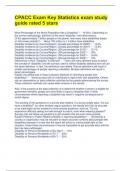
CPACC Exam Key Statistics exam study guide rated 5 stars What Percentage of the World Population Has a Disability? - 10-20%. Depending on the survey methodology, definition of the word "disability," and other factors. Of the approximately 7 billion people on the planet, how many have disabilities based on this known statistic? - About 700 million to 1.4 billion have disabilities. Disability Incidence by Country/Region: Canada percentage for 2006? - 14.3% Disability Incidence by Country/Region: Canada percentage for 2001? - 12.5% Disability Incidence by Country/Region: USA percentage for 2012? - 12.1% Disability Incidence by Country/Region: USA percentage for 2002? - 18% Disability Incidence by Country/Region: USA percentage for 2002? - 16.6% Disability Incidence by Country/Region: USA percentage for 2005? - 19% Differences in How "Disability" is Defined? - There are many different ways to define the concept of "disability" and the surveys used to collect disability statistics don't all use the same definition. In fact, the definitions vary widely. Narrow definitions will result in smaller percentages of people reporting a disability. Broader definitions will result in larger percentages. Explain the differences in Data Collection Methods for identifying people with disabilities? - Some surveys rely on individuals to report their own disabilities. Others rely on observations or data collection activities by the people administering the survey. These collection methods can cause wide variance in the results. Also, if the purpose of the data collection is to determine whether a person is eligible for government benefits, people are more likely to report a disability than in other circumstances where reporting a disability may result in negative consequences or social stigma. The wording of the questions on a survey also matters. If a survey simply asks, "Do you have a disability?" (or other similarly vague question), the results won't be as accurate or as meaningful as the answers to more precise questions, such as, "Do you experience difficulty seeing text well enough to read it, even when wearing glasses?" Surveys can ask follow-up questions to get answers that are even more precise. Explain Political or Public Relations Biases in reporting disabilities? - Sometimes a country or organization may be reluctant to report accurate numbers about people with disabilities because of a fear that the report will shine an unfavourable light on the situation. Under these circumstances it may be impossible to get accurate data until the fear has been addressed. Disability of P
Written for
- Institution
- CPACC - Certified Professional in Accessibility Core Competencies
- Course
- CPACC - Certified Professional in Accessibility Core Competencies
Document information
- Uploaded on
- November 12, 2023
- Number of pages
- 3
- Written in
- 2023/2024
- Type
- Other
- Person
- Unknown
Subjects
-
cpacc exam key statistics exam study guide rated 5

Also available in package deal