CRASH AND DEPRESSION
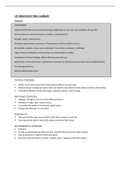
WHAT CAUSED THE CRASH?
SPECULATION
o Speculators bought shares ‘on the margin’, borrowing 90% of the cost from banks
o Banks lent $9 billion in 1929
o Speculators lost confidence and started selling shares, causing prices to fall
OVERPRODUCTION
o Wealth in the US was shared very unequally
o Those who could afford goods already owned them
o 1/3 of all income was earned by only 5% of workers
o The poor remained poor and wages didn’t rise
TARIFFS
o European countries had introduced their own tariffs to protect their industries, after
years of Republican tariffs on imported goods
o This made US goods more expensive
By the summer of 1929, these weaknesses were beginning to show, leading to spectators
becoming nervous about the value of their shares and beginning to sell
ECONOMIC IMPACTS OF THE WALL STREET CRASH
OCTOBER 1929
o 24th:
huge selling and prices in freefall
Banks stepped in to buy shares and stabilise prices
th
o 28 :
Prices fell again
Banks did not step in
th
o 29 :
Over 16 million shares were sold
BANKS
o Banks went bankrupt as speculators could never repay them
o Americans withdrew a billion dollars from banks
o 1929 – 659 collapsed, 1930 – 1352 collapsed, 1931 – 2294 collapsed
BUSINESSES
o By 1933, 14 million were unemployed and 5000 banks had collapsed
o The value of international trade fell from $10 billion in 1929 to $3 billion in 1932
SOCIAL CONSEQUENCES OF THE WALL STREET CRASH
WHAT CAUSED THE CRASH?
SPECULATION
o Speculators bought shares ‘on the margin’, borrowing 90% of the cost from banks
o Banks lent $9 billion in 1929
o Speculators lost confidence and started selling shares, causing prices to fall
OVERPRODUCTION
o Wealth in the US was shared very unequally
o Those who could afford goods already owned them
o 1/3 of all income was earned by only 5% of workers
o The poor remained poor and wages didn’t rise
TARIFFS
o European countries had introduced their own tariffs to protect their industries, after
years of Republican tariffs on imported goods
o This made US goods more expensive
By the summer of 1929, these weaknesses were beginning to show, leading to spectators
becoming nervous about the value of their shares and beginning to sell
ECONOMIC IMPACTS OF THE WALL STREET CRASH
OCTOBER 1929
o 24th:
huge selling and prices in freefall
Banks stepped in to buy shares and stabilise prices
th
o 28 :
Prices fell again
Banks did not step in
th
o 29 :
Over 16 million shares were sold
BANKS
o Banks went bankrupt as speculators could never repay them
o Americans withdrew a billion dollars from banks
o 1929 – 659 collapsed, 1930 – 1352 collapsed, 1931 – 2294 collapsed
BUSINESSES
o By 1933, 14 million were unemployed and 5000 banks had collapsed
o The value of international trade fell from $10 billion in 1929 to $3 billion in 1932
SOCIAL CONSEQUENCES OF THE WALL STREET CRASH