

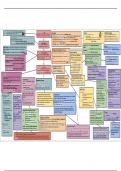
Unilateral - Bound by rewards (Carlill v Carbolic Smoke Ball) 1. Offer Revocation Auctions Offers to the public
Bilateral - Both exchange promises to perform A willingness to be bound by certain terms - Revoked any time before acceptance (Routledge v Grant) s57(2) Sale of Goods Act 1979 1. Cannot be revoked due to scale
with intention to be bound when accepted - Unless something has been provided in return to keep the offer open (Mountford v Scott) - Bids are offers 2. Can be revoked via social media
1) The normal rule - Acceptance must be communicated to the offeror - Revocation must be communicated (Byrne & Co v Van Tienhoven & Co) - Sale by auction is complete on the fall of the hammer 3. Can be revoked with a notice of similar
(Entores Ltd v Miles Far East Corp) - Communication via telex is effective when it can be read, not when (The Brimnes) - Offer is accepted by the highest bid (Unilateral) prominence published in the same place
2) Silence - Expressly stated (Felthouse v Bindley) - Does not have to be by or with the authority of the offeror (Dickinson v Dodds) Barry v Davies
3) Electronically (Brinkibon Ltd v Stahag Stahl und Stahlwarenhandel) 2. Acceptance - Implied by counter offer (Hyde v Wrench)
An unqualified expression of - Lapse after a specified or reasonable time (Ramsgate Victoria Hotel v Montefiore)
Acceptance by conduct (Brogden v Metropolitan
assent to terms of an offer Agencies
White v Bluett - it is not sufficient consideration to just stop complaining Railway)
An authorised agent (or third party) has the power
Hamer v Sidway - Wasn’t sufficient consideration to just stop those Terms and Conditions (Butler Machine Tool v Ex-Cell-O
Exception to the normal rule - Postal rule to change legal relations (Freeman & Lockyer v
habits Corporation)
Only applies to acceptances where it was reasonable Buckhurst)
Chappell v Nestle - The wrappers formed good consideration 3. Consideration Past consideration Request for information (Stevenson v McLean)
for the acceptance to be sent by post Eg - Cashier (on behalf of a company)
Benefit or detriment (Currie v Misa), Generally, past consideration is not
price for promise. Consideration must be good consideration (Roscorla v
Intention to create Legal relations - Rebuttabal The letter must be properly stamped, addressed, and The later promise crystallises the promises
sufficient not adequate Thomas) however there are some Consideration must move from the
Commercial Agreements - Contractual intention (Edwards v posted reasonable expectation. In the absence of a later
exceptions, under three conditions; promisee (Tweddle v Atkinson). The
Skyways, Esso Petroleum v Commissioner of Customs promise, a reasonable sum should be paid
1) the act was done at the exception being the Contracts (Rights
and Excise) This rule cannot be excluded by the offeror Pao On v Lau Yiu Long
promisor’s request of Third Parties) Act 1999
Domestic Agreements - No Contractual Intention (Balfour v Re Casey’s Patents, Stewart v Casey
2) The parties understood
Balfour, Merritt v Merritt) the act was to be remunerated
4. Terms Two types of contractual
either by payment or conferment Performance of a public duty
‘Binding in honour only’ - Rose and Frank v Crompton Conditions (Implied by Sale of Goods Act; Variations: Performance of an
3) Payment…must have Performance of an existing public duty is not good
can reject, refund, and claim damages), existing duty (upward), part Promissory Estoppel
been legally enforceable had it consideration (Collins v Godefroy)
Warranties, Innominate (unclassified terms) payment of a debt (downward) Promise to waive a strict legal right
been promised in advance Exceeding an existing public duty is good consideration
Express Terms Reliance - the act in reliance need not
(Glasbrook v Glamorgan, Ward v Byham)
● Signature be detrimental
Performance of an existing duty owed to a third party
○ L’Estrange v Graucob (Bound to the terms despite not Sale of Goods Act 1979 Pinnel’s case (Common Law) Inequitable for the creditor to renege*
(Shadwell v Shadwell)
reading them) s13(1) - Correspond with description An agreement between creditor and the promise
Incorporation Exemption Clauses s14(2) - Satisfactory quality debtor, the creditor will accept part
○ Curtis v Chemical Cleaning (Not bound as the terms Defence - only as a shield, not as a
had not covered staining) Signature - see Express Terms ‘A term in the contract purporting to s14(2A) - reasonable person would payment and final settlement of the full Stilk v Myrick - performance sword (Combe v Combe)
● Reasonable notice before or after the time of the contract Notice - ^ exclude or restrict the liability for breach consider satisfactory amount is not binding on the creditor of an existing contractual duty Extinction - ongoing payments, the
○ Spurling v Bradshaw (The more unreasonable the Contractual Document - of an obligation of one of the parties’ - s14(3) - fit for purpose is not consideration for a right to claim arrears**
clause, the greater the notice required) Chapelton v Barry promise to pay more money Suspensory - Can resume strict legal
○ Affirmed in Thornton v Shoe Lane Packing
Oxford Dictionary of Law 10th edition Hartley v Ponsonby - If
Timing - Parker v SE Railway Implied Terms rights by giving reasonable notice, but
● Previous consistent course of dealings ● By custom something extra is given, this right to claim arrears is extinguished
Whether the clause is onerous* - is consideration
● In fact (High Trees and Tool Metal
will not be incorporated unless Harris v Watson - Public
‘The term shall have been a fair and Construction ○ Based on the presumed intention Manufacturing). With lump sum
Remoteness of Loss brought to the counter party’s of the parties policy prevents additional payment it likely suspends the strict
- D is only liable for losses Unfair Contracts attention reasonable one to be including having If the clause is looking to exclude liability for the particular reward for completion
○ Something so obvious it goes legal right unless the circumstances
that aren't too remote Act (UCTA) Previous Consistent course of regard to the circumstances which were, or breach or damage it has caused without saying Williams v Roffey Bros - change
- The rule in Hadley v No effect - clause in dealings ought to reasonably have been known to or Contra Proferentem Rule (where there is doubt over the ● In law Only good consideration if
Baxendale states that the a negotiated contract in the contemplation of the parties’ - s11 meaning, the words will be interpreted against the person ○ Legal implications in contracts of extra payment has a real *Go back on it
breaching party had reason *involving great difficulty practical benefit on the
which excludes reasonableness test who brought them up common occurrence **Money that is owed and should have
to foresee the damages ○ Based on wider considerations promisor been paid earlier
resulting from the breach at
liability for a breach Very clear words must be used to exclude negligence
the time of formation in of an express term No rule of law that liability cannot be excluded for an
order for the damages to be Exclusion is s11(4) UCTA - limitation clauses exceptionally serious breach (Photo Production Ltd v
recovered ineffective - a clause a) Resources the defendant could Securicor Transport) The court will consider the consequence Damages
- Victoria Laundry which excludes of the breach of an Innominate term, an - Loss of expectation (Robinson v
(Windsor) v Newman
expect to be available for the unclassified term.
negligence causing Harman)
Industries purpose of meeting the liability Schedule 2 - guidelines Hong Kong fir Shipping v Kawasaki - If - Mental distress/disappointment (Addis v
- Parsons (H)(Livestock)
death/personal injury should it arise the breach substantially deprives the
a) relative bargaining positions of the parties (Watford v Sanderson) Gramophone, Jarvis v Swan Tours)
v Uttley Ingham (s2(1)) b) How far it was open to the innocent party of the whole benefit they
Subject to b) inducement to agree to the exemption clause
defendant to cover themselves by expected, they can terminate the contract
Measures of Loss ‘requirement of c) Extent the customer knew, or reasonably should have known
insurance C must mitigate their loss
- Cost of cure reasonableness’ d) was it reasonable to expect compliance with the condition (ref to or else damages cannot be
- Difference of value
Smith v Eric Bush (1990) Guidelines - exemption clauses of conditions not complied with) A third party has rights if:
- The contract expressly provides that they may acquire a benefit claimed. Reasonable steps
- Consumer surplus/loss of Negligent liability, Difficulty of the task e) bespoke goods Penalty Clauses and Specified damages to reduce the loss suffered
(s1(1)(a)); or “The clause is enforceable if it does not exceed
amenity (British Westinghouse v
- The term purports* to confer a benefit on them (s(1)(1)(b)) a genuine attempt to estimate in advance the
- Ruxley v Forsyth Underground Electric
The party must be expressly identified by name, as a member of a loss [...] from a breach of the obligation in
s2 - exempting liability for ngeligence causing loss/damage class (ie employee), or a particular description Railways)
s3 - clause exempting liability for breach of an express term in a written standard form contract question” - Chitty ‘Contracts’ [31st edition]
*the meaning or sense of something, typically a document or speech. Dunlop Pneumatic Tyre v New Garage
s6 and s7 - apply to clauses exdempting liability for the statutory implied terms relating to goods
Bilateral - Both exchange promises to perform A willingness to be bound by certain terms - Revoked any time before acceptance (Routledge v Grant) s57(2) Sale of Goods Act 1979 1. Cannot be revoked due to scale
with intention to be bound when accepted - Unless something has been provided in return to keep the offer open (Mountford v Scott) - Bids are offers 2. Can be revoked via social media
1) The normal rule - Acceptance must be communicated to the offeror - Revocation must be communicated (Byrne & Co v Van Tienhoven & Co) - Sale by auction is complete on the fall of the hammer 3. Can be revoked with a notice of similar
(Entores Ltd v Miles Far East Corp) - Communication via telex is effective when it can be read, not when (The Brimnes) - Offer is accepted by the highest bid (Unilateral) prominence published in the same place
2) Silence - Expressly stated (Felthouse v Bindley) - Does not have to be by or with the authority of the offeror (Dickinson v Dodds) Barry v Davies
3) Electronically (Brinkibon Ltd v Stahag Stahl und Stahlwarenhandel) 2. Acceptance - Implied by counter offer (Hyde v Wrench)
An unqualified expression of - Lapse after a specified or reasonable time (Ramsgate Victoria Hotel v Montefiore)
Acceptance by conduct (Brogden v Metropolitan
assent to terms of an offer Agencies
White v Bluett - it is not sufficient consideration to just stop complaining Railway)
An authorised agent (or third party) has the power
Hamer v Sidway - Wasn’t sufficient consideration to just stop those Terms and Conditions (Butler Machine Tool v Ex-Cell-O
Exception to the normal rule - Postal rule to change legal relations (Freeman & Lockyer v
habits Corporation)
Only applies to acceptances where it was reasonable Buckhurst)
Chappell v Nestle - The wrappers formed good consideration 3. Consideration Past consideration Request for information (Stevenson v McLean)
for the acceptance to be sent by post Eg - Cashier (on behalf of a company)
Benefit or detriment (Currie v Misa), Generally, past consideration is not
price for promise. Consideration must be good consideration (Roscorla v
Intention to create Legal relations - Rebuttabal The letter must be properly stamped, addressed, and The later promise crystallises the promises
sufficient not adequate Thomas) however there are some Consideration must move from the
Commercial Agreements - Contractual intention (Edwards v posted reasonable expectation. In the absence of a later
exceptions, under three conditions; promisee (Tweddle v Atkinson). The
Skyways, Esso Petroleum v Commissioner of Customs promise, a reasonable sum should be paid
1) the act was done at the exception being the Contracts (Rights
and Excise) This rule cannot be excluded by the offeror Pao On v Lau Yiu Long
promisor’s request of Third Parties) Act 1999
Domestic Agreements - No Contractual Intention (Balfour v Re Casey’s Patents, Stewart v Casey
2) The parties understood
Balfour, Merritt v Merritt) the act was to be remunerated
4. Terms Two types of contractual
either by payment or conferment Performance of a public duty
‘Binding in honour only’ - Rose and Frank v Crompton Conditions (Implied by Sale of Goods Act; Variations: Performance of an
3) Payment…must have Performance of an existing public duty is not good
can reject, refund, and claim damages), existing duty (upward), part Promissory Estoppel
been legally enforceable had it consideration (Collins v Godefroy)
Warranties, Innominate (unclassified terms) payment of a debt (downward) Promise to waive a strict legal right
been promised in advance Exceeding an existing public duty is good consideration
Express Terms Reliance - the act in reliance need not
(Glasbrook v Glamorgan, Ward v Byham)
● Signature be detrimental
Performance of an existing duty owed to a third party
○ L’Estrange v Graucob (Bound to the terms despite not Sale of Goods Act 1979 Pinnel’s case (Common Law) Inequitable for the creditor to renege*
(Shadwell v Shadwell)
reading them) s13(1) - Correspond with description An agreement between creditor and the promise
Incorporation Exemption Clauses s14(2) - Satisfactory quality debtor, the creditor will accept part
○ Curtis v Chemical Cleaning (Not bound as the terms Defence - only as a shield, not as a
had not covered staining) Signature - see Express Terms ‘A term in the contract purporting to s14(2A) - reasonable person would payment and final settlement of the full Stilk v Myrick - performance sword (Combe v Combe)
● Reasonable notice before or after the time of the contract Notice - ^ exclude or restrict the liability for breach consider satisfactory amount is not binding on the creditor of an existing contractual duty Extinction - ongoing payments, the
○ Spurling v Bradshaw (The more unreasonable the Contractual Document - of an obligation of one of the parties’ - s14(3) - fit for purpose is not consideration for a right to claim arrears**
clause, the greater the notice required) Chapelton v Barry promise to pay more money Suspensory - Can resume strict legal
○ Affirmed in Thornton v Shoe Lane Packing
Oxford Dictionary of Law 10th edition Hartley v Ponsonby - If
Timing - Parker v SE Railway Implied Terms rights by giving reasonable notice, but
● Previous consistent course of dealings ● By custom something extra is given, this right to claim arrears is extinguished
Whether the clause is onerous* - is consideration
● In fact (High Trees and Tool Metal
will not be incorporated unless Harris v Watson - Public
‘The term shall have been a fair and Construction ○ Based on the presumed intention Manufacturing). With lump sum
Remoteness of Loss brought to the counter party’s of the parties policy prevents additional payment it likely suspends the strict
- D is only liable for losses Unfair Contracts attention reasonable one to be including having If the clause is looking to exclude liability for the particular reward for completion
○ Something so obvious it goes legal right unless the circumstances
that aren't too remote Act (UCTA) Previous Consistent course of regard to the circumstances which were, or breach or damage it has caused without saying Williams v Roffey Bros - change
- The rule in Hadley v No effect - clause in dealings ought to reasonably have been known to or Contra Proferentem Rule (where there is doubt over the ● In law Only good consideration if
Baxendale states that the a negotiated contract in the contemplation of the parties’ - s11 meaning, the words will be interpreted against the person ○ Legal implications in contracts of extra payment has a real *Go back on it
breaching party had reason *involving great difficulty practical benefit on the
which excludes reasonableness test who brought them up common occurrence **Money that is owed and should have
to foresee the damages ○ Based on wider considerations promisor been paid earlier
resulting from the breach at
liability for a breach Very clear words must be used to exclude negligence
the time of formation in of an express term No rule of law that liability cannot be excluded for an
order for the damages to be Exclusion is s11(4) UCTA - limitation clauses exceptionally serious breach (Photo Production Ltd v
recovered ineffective - a clause a) Resources the defendant could Securicor Transport) The court will consider the consequence Damages
- Victoria Laundry which excludes of the breach of an Innominate term, an - Loss of expectation (Robinson v
(Windsor) v Newman
expect to be available for the unclassified term.
negligence causing Harman)
Industries purpose of meeting the liability Schedule 2 - guidelines Hong Kong fir Shipping v Kawasaki - If - Mental distress/disappointment (Addis v
- Parsons (H)(Livestock)
death/personal injury should it arise the breach substantially deprives the
a) relative bargaining positions of the parties (Watford v Sanderson) Gramophone, Jarvis v Swan Tours)
v Uttley Ingham (s2(1)) b) How far it was open to the innocent party of the whole benefit they
Subject to b) inducement to agree to the exemption clause
defendant to cover themselves by expected, they can terminate the contract
Measures of Loss ‘requirement of c) Extent the customer knew, or reasonably should have known
insurance C must mitigate their loss
- Cost of cure reasonableness’ d) was it reasonable to expect compliance with the condition (ref to or else damages cannot be
- Difference of value
Smith v Eric Bush (1990) Guidelines - exemption clauses of conditions not complied with) A third party has rights if:
- The contract expressly provides that they may acquire a benefit claimed. Reasonable steps
- Consumer surplus/loss of Negligent liability, Difficulty of the task e) bespoke goods Penalty Clauses and Specified damages to reduce the loss suffered
(s1(1)(a)); or “The clause is enforceable if it does not exceed
amenity (British Westinghouse v
- The term purports* to confer a benefit on them (s(1)(1)(b)) a genuine attempt to estimate in advance the
- Ruxley v Forsyth Underground Electric
The party must be expressly identified by name, as a member of a loss [...] from a breach of the obligation in
s2 - exempting liability for ngeligence causing loss/damage class (ie employee), or a particular description Railways)
s3 - clause exempting liability for breach of an express term in a written standard form contract question” - Chitty ‘Contracts’ [31st edition]
*the meaning or sense of something, typically a document or speech. Dunlop Pneumatic Tyre v New Garage
s6 and s7 - apply to clauses exdempting liability for the statutory implied terms relating to goods


