Inhoud
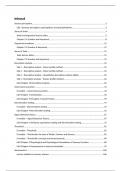
Sensory perception.................................................................................................................................3
Clip | Sensory perception: psychophysics and psychohedonics..........................................................3
Sense of Smell........................................................................................................................................3
Smell and trigeminal lecture slides.....................................................................................................3
Chapter 2.4 (Lawless and Heymann)..................................................................................................8
Trigeminal sensations...........................................................................................................................12
Chapter 2.5 (Lawless & Heymann)....................................................................................................12
Sense of Taste.......................................................................................................................................15
Taste lecture slides............................................................................................................................15
Chapter 2.3 (Lawless and Heymann)................................................................................................19
Descriptive analysis..............................................................................................................................24
Clip 1 – Descriptive analysis - Flavor profile method.........................................................................24
Clip 2 – Descriptive analysis - Flavor profile method.........................................................................25
Clip 3 – Descriptive analysis - Quantitative descriptive analysis (QDA).............................................25
Clip 4 - Descriptive analysis - Texture profile method.......................................................................26
L&H Chapter 10 Descriptive Analysis................................................................................................26
Good sensory practice..........................................................................................................................34
E-module – Good sensory practice...................................................................................................34
L&H Chapter 1 Introduction..............................................................................................................36
L&H Chapter 3 Principles of Good Practice.......................................................................................39
Discrimination testing...........................................................................................................................47
E-module - Discrimination testing.....................................................................................................47
L&H Chapter 4 Discrimination testing...............................................................................................52
Signal detection theory.........................................................................................................................67
E-module – Signal Detection Theory.................................................................................................67
L&H Chapter 5 Similarity, equivalence testing and discrimination testing........................................72
Threshold..............................................................................................................................................81
E-module - Threshold.......................................................................................................................81
E-module – Thresholds: the laws of Weber, Fechner and Stevens....................................................81
E-module – Thresholds: concepts and measurements.....................................................................84
L&H Chapter 2 Physiological and Psychological Foundations of Sensory Function...........................86
L&H Chapter 6 Measurement of sensory thresholds........................................................................92
Sensometrics......................................................................................................................................106
Lecture statistics in sensory science...............................................................................................106
,Training and panelselection................................................................................................................106
Clip | Training and selection panel - Selection and orientation......................................................106
Clip | Training and selection panel - The panel leader....................................................................107
Clip | Training and selection panel - Training a sensory panel........................................................108
L&H Chapter 7 Scaling....................................................................................................................109
L&H Chapter 10 Descriptive analysis..............................................................................................123
Descriptive analysis............................................................................................................................128
Clip | Descriptive analysis - Sensory spectrum...............................................................................128
Clip | Descriptive analysis - Rapid sensory profiling methods.........................................................128
Temporal dynamic methods...............................................................................................................132
Lecture Dynamic sensory methods.................................................................................................132
L&H Chapter 8 Time-Intensity methods..........................................................................................137
Texture perception.............................................................................................................................148
Lecture texture...............................................................................................................................148
L&H Chapter 11 Texture Evaluation................................................................................................151
Color and appearance.........................................................................................................................158
Lecture color and appearance........................................................................................................158
L&H Chapter 12 Color and appearance..........................................................................................162
Context & bias in sensory science.......................................................................................................167
E-module - Context and bias: Contrast and Adaptation..................................................................167
E-module - Context and bias: Assimilation effects..........................................................................169
E-module - Context and bias: Halo/Horn and Dumping effect........................................................170
E-module – Context and bias: Range Frequency theory.................................................................171
L&H Chapter 9 Context effects and biases in sensory judgment.....................................................173
Hedonic sensory.................................................................................................................................184
E-module - Hedonic methods: Acceptance and preference testing................................................184
E-module - Hedonic methods: Variations on acceptance testing....................................................186
E-module - Hedonic methods: Context and emotions....................................................................189
L&H Chapter 13 Preference testing.................................................................................................192
L&H Chapter 14 Acceptance testing...............................................................................................199
Lecture Sensometrics.....................................................................................................................207
,W1
Sensory perception
Clip | Sensory perception: psychophysics and psychohedonics
Psychophysisch – the relation between the physical chemical properties of a food and the perception
of the consumer/panelists, e.g. how sweet a banana is, is related to its sugar concentration (analytic).
Phychophysical function (Log) - shows the correlation between perceived intensity and
concentration.
Phychohedonics – the relation between the physical chemical properties of a food and the
pleasantness of a food (hedonic).
Psychohedonic function (Wundt curve) – shows the relation between concentration and
liking. At the top is the optimal liking point, called Bliss point.
We can perceive taste intensity the same, but liking can be very different because it is personal
demographic factors can influence sensory perception (age, gender, satiation etc.), such as
thresholds, suprathreshold sensitivity, identification ability and liking/preferences.
These internal factors do not influence all our senses and perception the same way age related
decline in perceiving odors, but this happens in a lesser extended for taste.
External factors the odor in which you taste samples causes fatigue and rate later samples
differently then the ones in the beginning (randomize to prevent and repeat the samples for more
reliable ratings).
Order effects when first given a high concentration and then a low concentration, rating of the
second concentration is different if you did taste that one first.
Perception is always relative and depending on earlier experiences ‘frame of reference’.
Sense of Smell
Smell and trigeminal lecture slides
Learning goals – for the exam
List the different functions of smell and the (non)existence of different odor
categories/descriptors
Understand and explain how quality and intensity of smell is encoded (peripheral and central
structures)
Understand and explain the duality of the olfactory system; compare ortho- vs retronasal
smell
, Know and explain what the trigeminal system is, its anatomy and how it is involved in food
perception
Compare the olfactory and gustatory system (qualities, function, categorization, anatomy,
mixtures etc)
Influence of other senses on (flavor) perception
Functions of smell:
Food/flavor, eating behavior
Social communication – parfumes, hygiene, pheromones, emotions and memory
Safety, warning – gas leak, toxins
Odor receptors
Family of olfactory receptor (OR) genes totals more than 1000 genes
Humans have 350-400 functional OR genes
Able to detect and discriminate wide variety of chemicals
Die and are replaced in ~ 30 days
Odor receptors – GPCR family
Receptors recognize only small structural features on each molecule.
A combination of activated receptors is responsible for a smell.
Odor quality coding – pattern of activation
One odorant can activate multiple neurons (odor receptors)
One neuron can be activated by multiple odorants
Pattern of activated glomeruli codes for odor identity
Sensory perception.................................................................................................................................3
Clip | Sensory perception: psychophysics and psychohedonics..........................................................3
Sense of Smell........................................................................................................................................3
Smell and trigeminal lecture slides.....................................................................................................3
Chapter 2.4 (Lawless and Heymann)..................................................................................................8
Trigeminal sensations...........................................................................................................................12
Chapter 2.5 (Lawless & Heymann)....................................................................................................12
Sense of Taste.......................................................................................................................................15
Taste lecture slides............................................................................................................................15
Chapter 2.3 (Lawless and Heymann)................................................................................................19
Descriptive analysis..............................................................................................................................24
Clip 1 – Descriptive analysis - Flavor profile method.........................................................................24
Clip 2 – Descriptive analysis - Flavor profile method.........................................................................25
Clip 3 – Descriptive analysis - Quantitative descriptive analysis (QDA).............................................25
Clip 4 - Descriptive analysis - Texture profile method.......................................................................26
L&H Chapter 10 Descriptive Analysis................................................................................................26
Good sensory practice..........................................................................................................................34
E-module – Good sensory practice...................................................................................................34
L&H Chapter 1 Introduction..............................................................................................................36
L&H Chapter 3 Principles of Good Practice.......................................................................................39
Discrimination testing...........................................................................................................................47
E-module - Discrimination testing.....................................................................................................47
L&H Chapter 4 Discrimination testing...............................................................................................52
Signal detection theory.........................................................................................................................67
E-module – Signal Detection Theory.................................................................................................67
L&H Chapter 5 Similarity, equivalence testing and discrimination testing........................................72
Threshold..............................................................................................................................................81
E-module - Threshold.......................................................................................................................81
E-module – Thresholds: the laws of Weber, Fechner and Stevens....................................................81
E-module – Thresholds: concepts and measurements.....................................................................84
L&H Chapter 2 Physiological and Psychological Foundations of Sensory Function...........................86
L&H Chapter 6 Measurement of sensory thresholds........................................................................92
Sensometrics......................................................................................................................................106
Lecture statistics in sensory science...............................................................................................106
,Training and panelselection................................................................................................................106
Clip | Training and selection panel - Selection and orientation......................................................106
Clip | Training and selection panel - The panel leader....................................................................107
Clip | Training and selection panel - Training a sensory panel........................................................108
L&H Chapter 7 Scaling....................................................................................................................109
L&H Chapter 10 Descriptive analysis..............................................................................................123
Descriptive analysis............................................................................................................................128
Clip | Descriptive analysis - Sensory spectrum...............................................................................128
Clip | Descriptive analysis - Rapid sensory profiling methods.........................................................128
Temporal dynamic methods...............................................................................................................132
Lecture Dynamic sensory methods.................................................................................................132
L&H Chapter 8 Time-Intensity methods..........................................................................................137
Texture perception.............................................................................................................................148
Lecture texture...............................................................................................................................148
L&H Chapter 11 Texture Evaluation................................................................................................151
Color and appearance.........................................................................................................................158
Lecture color and appearance........................................................................................................158
L&H Chapter 12 Color and appearance..........................................................................................162
Context & bias in sensory science.......................................................................................................167
E-module - Context and bias: Contrast and Adaptation..................................................................167
E-module - Context and bias: Assimilation effects..........................................................................169
E-module - Context and bias: Halo/Horn and Dumping effect........................................................170
E-module – Context and bias: Range Frequency theory.................................................................171
L&H Chapter 9 Context effects and biases in sensory judgment.....................................................173
Hedonic sensory.................................................................................................................................184
E-module - Hedonic methods: Acceptance and preference testing................................................184
E-module - Hedonic methods: Variations on acceptance testing....................................................186
E-module - Hedonic methods: Context and emotions....................................................................189
L&H Chapter 13 Preference testing.................................................................................................192
L&H Chapter 14 Acceptance testing...............................................................................................199
Lecture Sensometrics.....................................................................................................................207
,W1
Sensory perception
Clip | Sensory perception: psychophysics and psychohedonics
Psychophysisch – the relation between the physical chemical properties of a food and the perception
of the consumer/panelists, e.g. how sweet a banana is, is related to its sugar concentration (analytic).
Phychophysical function (Log) - shows the correlation between perceived intensity and
concentration.
Phychohedonics – the relation between the physical chemical properties of a food and the
pleasantness of a food (hedonic).
Psychohedonic function (Wundt curve) – shows the relation between concentration and
liking. At the top is the optimal liking point, called Bliss point.
We can perceive taste intensity the same, but liking can be very different because it is personal
demographic factors can influence sensory perception (age, gender, satiation etc.), such as
thresholds, suprathreshold sensitivity, identification ability and liking/preferences.
These internal factors do not influence all our senses and perception the same way age related
decline in perceiving odors, but this happens in a lesser extended for taste.
External factors the odor in which you taste samples causes fatigue and rate later samples
differently then the ones in the beginning (randomize to prevent and repeat the samples for more
reliable ratings).
Order effects when first given a high concentration and then a low concentration, rating of the
second concentration is different if you did taste that one first.
Perception is always relative and depending on earlier experiences ‘frame of reference’.
Sense of Smell
Smell and trigeminal lecture slides
Learning goals – for the exam
List the different functions of smell and the (non)existence of different odor
categories/descriptors
Understand and explain how quality and intensity of smell is encoded (peripheral and central
structures)
Understand and explain the duality of the olfactory system; compare ortho- vs retronasal
smell
, Know and explain what the trigeminal system is, its anatomy and how it is involved in food
perception
Compare the olfactory and gustatory system (qualities, function, categorization, anatomy,
mixtures etc)
Influence of other senses on (flavor) perception
Functions of smell:
Food/flavor, eating behavior
Social communication – parfumes, hygiene, pheromones, emotions and memory
Safety, warning – gas leak, toxins
Odor receptors
Family of olfactory receptor (OR) genes totals more than 1000 genes
Humans have 350-400 functional OR genes
Able to detect and discriminate wide variety of chemicals
Die and are replaced in ~ 30 days
Odor receptors – GPCR family
Receptors recognize only small structural features on each molecule.
A combination of activated receptors is responsible for a smell.
Odor quality coding – pattern of activation
One odorant can activate multiple neurons (odor receptors)
One neuron can be activated by multiple odorants
Pattern of activated glomeruli codes for odor identity